
So you think you can cook a real Madras curry just because you ordered one from that sad little curry house wedged between the vape shop and the Subway in a strip mall in Boise? How hard could it be bro? Google a Madras curry powder recipe, buy some chicken thighs and I’m pretty sure you have some Trader Joe’s curry powder in your pantry from 2006. But if you want to create an authentic Chennai-inspired curry that does not take you back to a $6.99 Anaheim Indian buffet, follow me to the spice aisle.
Real Curry Doesn’t Start in a Grocery Store. It Starts in a Typhoon
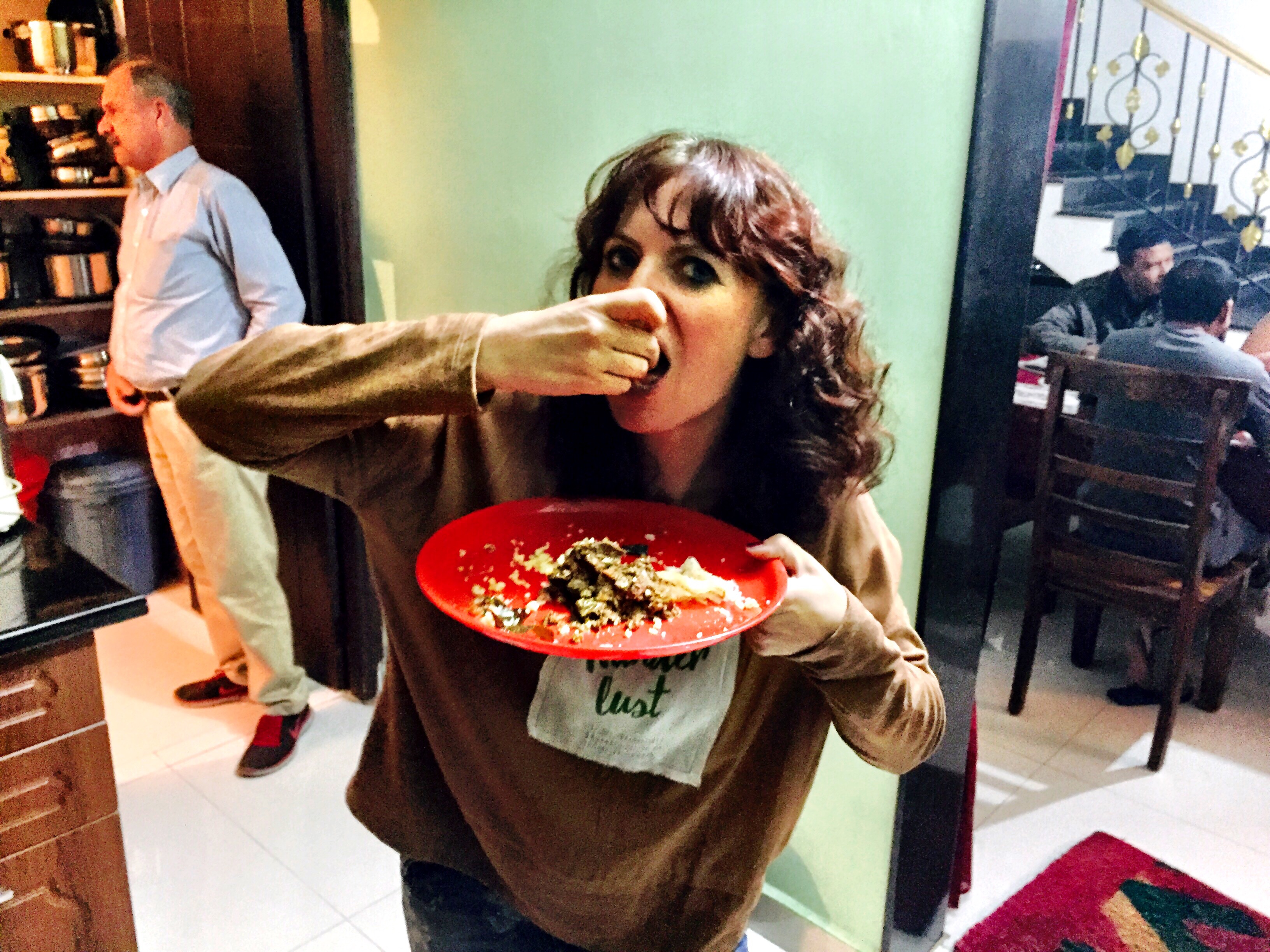
First, you must survive a Bay of Bengal typhoon, then swim through what used to be a road but is now a murky curry-scented lazy river complete with bobbing cow dung and unbothered uncles wearing lungis drinking chai on the median. THEN—and only then—are you ready to make your own Madras curry powder.
Does this sound like a true story? It is a true story of my first trip to India. I wasn’t expecting so many street cows. Or men in skirts (Lungis, think kilts, but southern India style) And when the Typhoon moved in and the water started to rise, I didn’t know where all that cow poo was going to go but I knew we had to get upstairs to our rented apartment fast!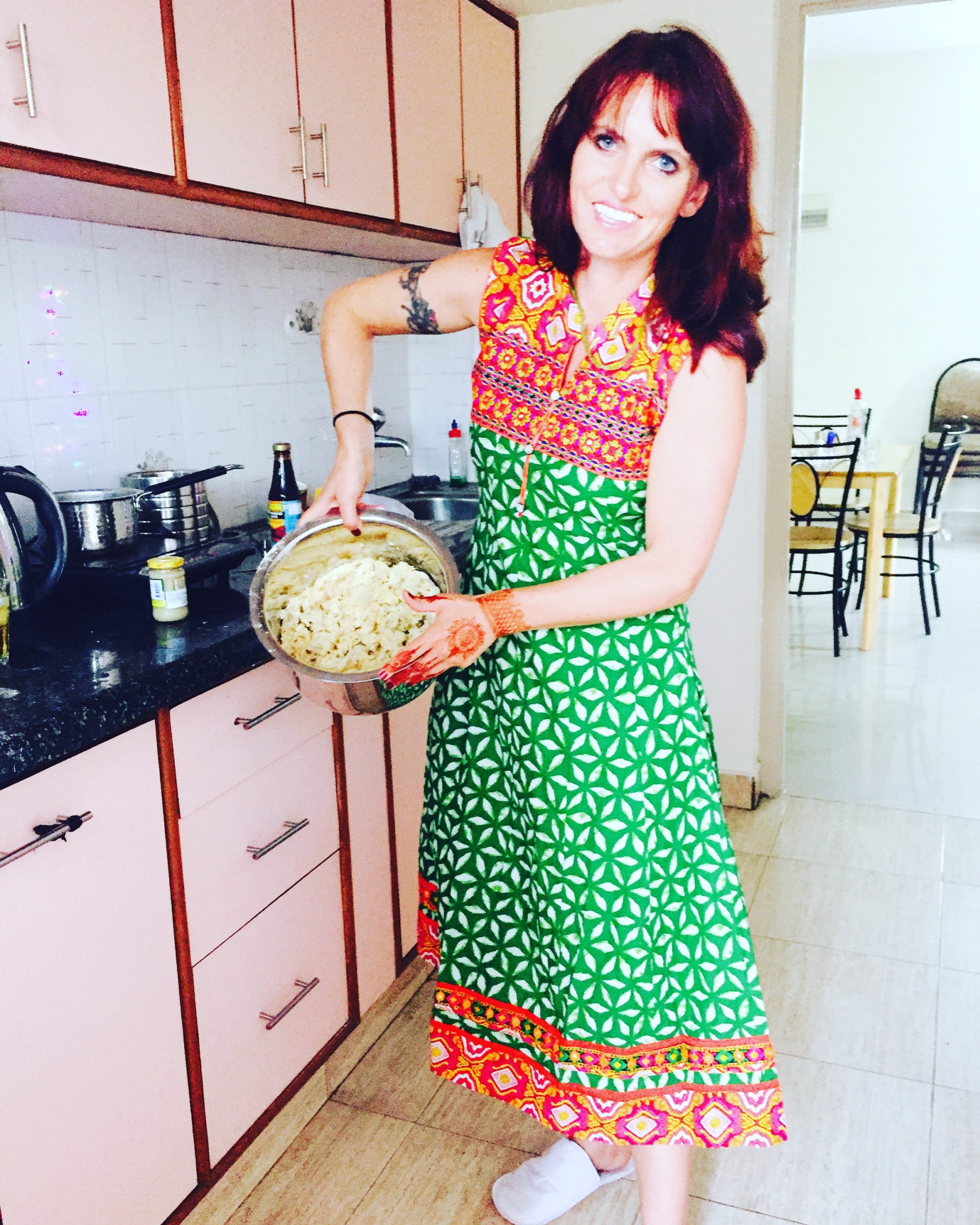
That, my friend, is when you’ve earned the right to say: “Yeah, I make a damn good Madras curry.”
If You Didn’t Dodge a Bus for those Rotis, Is It Even Authentic?
The thing is, when you’re in Chennai—formerly Madras—you learn quickly that cooking is not just about flavor. It’s about resilience. Hunger. And, occasionally, if you are staying anywhere near Kammanahalli, the ability to backstroke through Commercial Street traffic while holding your box of idlis above water like it’s the Holy Grail.
On this first trip to Kammanhalli, I was picking up my chaat takeout when the skies just opened up—like God was throwing a tantrum over bland Trader Joe’s curry powder. I stepped outside, and MG Road had transformed into a river. A river with cow floaters. Not the fun kind.

I thought I packed well. Hiking sandals. Christmas light-up necklace decorations, that new Jenn Lancaster book. Imodium (It is India after all). Did I pack wellies? NOPE. I was wearing Tom’s. TOMS. In Bangalore. During the monsoon season. I might as well have been barefoot and earthing like one of those hippies back home in California.
Why Trader Joe’s Curry Powder Is the Culinary Equivalent of Cultural Appropriation
Let’s be real: TJ’s curry powder tastes like what happens when someone thinks paprika is “ethnic.” It’s stale. It’s sad. It’s beige. Listen, I love T.J.’s for gluten-free snacks and for pretending I care about sustainability when I buy one banana. But their curry powder? It tastes like it was made in a Midwestern basement by someone who thinks “spicy” means adding cracked pepper. If your spice blend was hand-packed by a gluten-free intern named Dylan in Portland, it’s not going to transport you to South India—it’s going to transport you straight to a frozen Lean Cuisine Butter Chicken dinner. If that $2.99 curry powder you just picked up lists “turmeric” and “love” as the only two ingredients, you’re doing something wrong here.
A lot of Americans think it’s possible to create a thirty-minute curry. That right there is just fake news. A real, authentic Madras curry powder recipe involves time, effort and yes, maybe roasting those chilies until you are sneezing nonstop. If your sinuses are not angry, you are not doing something right! This is one of the reasons we like to create our authentic Madras curry powder recipe outside on the barbecue stovetop in the summertime months. Also, if it’s just about the 4th of July, it’s just too hot indoors to stand over the stove stirring those onions, roasting those spices and developing all those masala flavors. God bless America, let’s cook outside!
You Call That Curry? Get Outta My Kitchen, Karen
A real Madras curry is: Roasty. Fiery. Smoky. Layered like your auntie’s wedding sari collection. It should leave you questioning your entire digestive system by bite three. That’s how you know you are in India! Or at least trying to create authentic Anglo-Indian food from 9,000 miles away.
Buying some pre-mixed orange dust, the same color as Donald Trump, labeled “Madras Curry Powder,” is like ordering Domino’s and saying you’ve had real Neapolitan pizza. No, no. Your mouth deserves better.
Take cumin, coriander, fenugreek, dried chilies, and roast them in a dry pan until:
- Your house smells like your grandma’s kitchen in Hyderabad.
- Your smoke alarm screams like it’s auditioning for Bollywood.
- Your dog hides under the couch.
That’s when you know the flavor is unlocking.
Why Roasting Spices Is Mandatory (Not Optional)
Roasting spices before grinding them isn’t just a fun extra step like drizzling olive oil on a frozen pizza—it’s the entire secret to an authentic Indian meal. When you roast cumin, coriander, fenugreek, curry leaves, and chilies in a dry pan, you’re releasing oils. Flavor. Aromas so powerful your neighbors will think you’re opening a Michelin-starred curry house. (You know it’s working when the smoke alarm joins the spice party.)
Roasting turns your spice mix from sad, gray dust into something that smells like it could cure a mild case of generational trauma.
No one ever said whipping up authentic Indian food was easy. Let’s be real—most American home cooks are more likely to understand how ChatGPT works than how to make a proper South Indian curry. And honestly? The internet is a lot like Butter Chicken: comforting, wildly popular, and no one has the faintest clue what’s actually going on under the surface.
Chicken Curry So Hot It Needs a Safe Word
Why yes, creating your own spicy Madras curry powder recipe can be a gastrointestinal gamble, but that is the fun of indulging in an authentic Indian meal! Curry bum, it’s the russian roulette of the Anglo-Indian kitchen!
So are you ready to get out your wok and roast those spices and create the most authentic Madras curry powder this side of the Ganges? Just remember, if a cow crosses your path while you’re holding a hot curry powder-filled wok, just bow your head in respect and let it pass. This is India. The cow’s in charge.
Madras curry powder recipe

1/2 teaspoon fenugreek seeds
1 teaspoon cumin seeds
1 teaspoon coriander powder
1/2 teaspoon turmeric
1/2 teaspoon chili powder
1 teaspoon garam masala
Grind all these spices in your NutriBullet and then dry roast them over medium heat in your wok. Set aside.
For the masala
6 curry leaves
3 teaspoons of ghee
2 white onions, sliced thin
1 serrano chile, sliced thin
1 teaspoon grated fresh garlic
1 teaspoon grated fresh ginger
1 teaspoon tamarind paste
1 can of coconut milk
1 small can of tomato paste
2 orange or red bell peppers, sliced thin
1 teaspoon salt
1 pound of chicken thighs, cut into bite-sized pieces
2 cups of chicken stock to temper the dish (You can use water but I prefer homemade stock when I have it on hand)
How to make masala (Not makarena)

In the ghee, fry your chilies and set aside. Fry your curry leaves and set these aside as well. In the oil, cook your onion slices until very brown. After ten minutes of this step, mix in the bell pepper slices as well. Keep cooking for another ten minutes until all are well caramelized. Take off the heat and let it cool just a bit. In a blender or mixie, blend these and the serrano chilis into a fine paste. Return the paste to the wok, along with the Madras curry powder, the garlic and the ginger. Cook the masala paste for a good twenty minutes, slowly adding more stock to temper it as it dries out. Keep it just wet enough so it does not stick the whole time you are working on this step.
After your masala is well-cooked and your spices are fully roasted, stir in the chicken bits along with another cup of stock and the tomato paste. Let this reduce for a good twenty minutes. The stock should evaporate a bit and the sauce should thicken. Now mix in your can of coconut milk and those curry leaves you fried earlier. Add the salt and the tamarind paste.
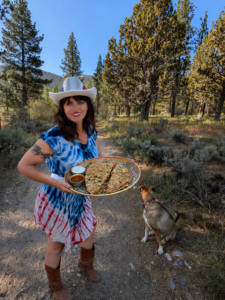
Let this roast for just another ten minutes and you are ready to serve a piping hot Madras Curry! Serve this over rice or keto Konjac noodles if you are on the Keto-Kraze like we are. You can garnish with chopped cilantro and a drizzle of Greek yogurt as well.

Comments
Really enjoyed reading this detailed guide and practical insights! For anyone exploring creative styling tools, photo editing, and AI visual design, AI Dress Up Online is also a fantastic resource worth checking out.