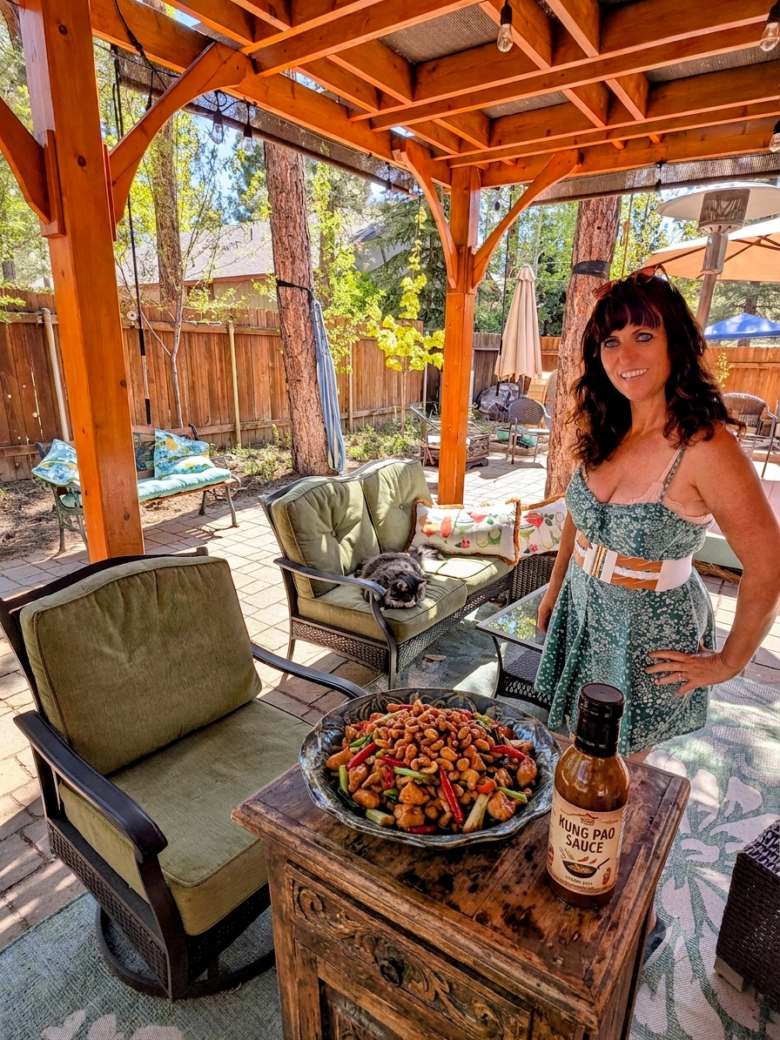
If it’s summertime, then that means my days are full of wildflower hikes, sweating on wildflower hikes and swimming in alpine lakes. I have no time for bougie dinners that involve turning on the oven and turning my house into a cabin-like sauna. That is the life of an outdoor lifestyle content stylist and culinary creator.
Of course, whenever possible, we try to use as many fresh ingredients from our little organic community garden plot as we can. As an outdoor adventurer and food writer, there is something incredibly satisfying about spending the morning hiking through the mountains and the afternoon wandering out to the garden to pick ingredients for dinner. Sometimes, however, that simply means I find creative ways to sneak scallions and green onions into every meal I make. If a recipe can handle green onions, congratulations, it’s getting green onions.
During the summer, as an outdoor adventurer and food writer, I am constantly searching for recipes that help us use up that never-ending onion harvest. Our organic garden seems determined to produce enough scallions to supply an entire neighborhood Chinese restaurant. If I don’t cut them back every few days, they practically become ornamental landscaping. I’m convinced that in one more week and they’ll be tall enough to qualify as privacy fencing.
Turn Your Garden Scraps into Nature’s Security System
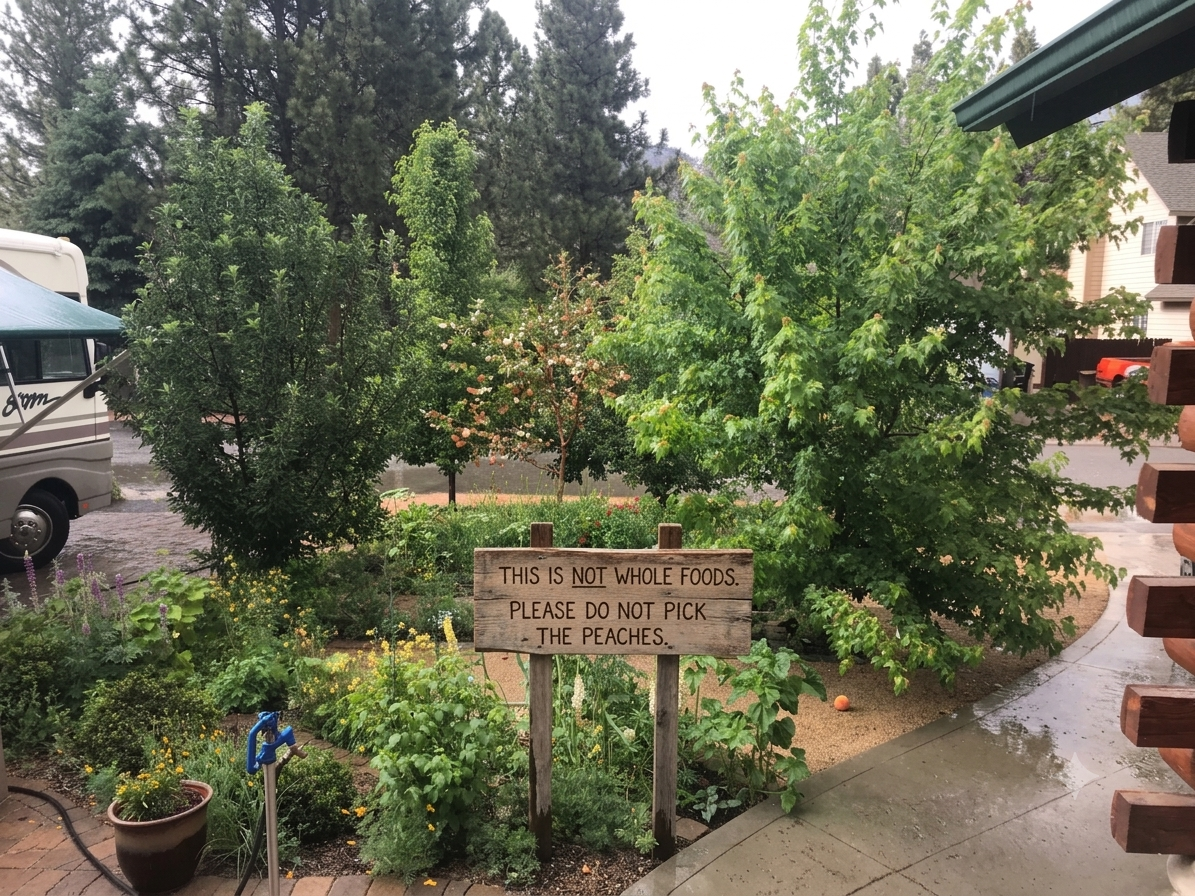
One of my favorite gardening tricks is regrowing green onions from the root ends instead of throwing them away. Simply save the white root portion after cooking, plant it back into the garden or even a pot of soil, and within days it starts producing fresh green tops all over again. It is one of the easiest vegetables to regrow, saves a little money and keeps perfectly good food scraps out of the trash. As someone who cooks Asian food almost every week, I’m constantly harvesting the tops while leaving the roots to keep producing another crop.
While you’re at it, don’t throw away those overripe garlic cloves either. Planting garlic around your vegetables can help discourage pests like whiteflies, rabbits and squirrels from treating your garden like an all-you-can-eat buffet. Around here, we have to think a little bigger than squirrels, though. We also have wild burros roaming through the neighborhood. Yes, actual donkeys. We even fenced our front garden in an attempt to keep them out. Does it work?
Sometimes.
I’ll admit it, there are mornings when I find myself standing in the yard yelling, “Hey, you ass!” at the local wildlife. And for once, no, I’m not talking about my weed-smoking liberal neighbors.
How Does an Asian Market Not Sell Kung Pao Sauce?
How is it possible that one of the best Asian markets in Southern California no longer carries Kung Pao sauce? I mean, truly, make it make sense. My “local” Asian marketplace—and by local, I obviously mean a casual two-hour drive because apparently I live in a beautiful mountain town with zero convenient access to essential ethnic spicy condiments—does not carry store-bought Kung Pao sauce. Kung Pao originated in the Sichuan region of China, but according to 99 Ranch in Orange County, California, absolutely no one needs to purchase Kung Pao sauce. No one. Not one single desperate white lady trying to make Kung Pao Air Fryer Chicken without turning her kitchen into a failed chemistry lab.
Dear 99 Ranch: We Need to Talk About Kung Pao Sauce
Now, I will tell you, the last time I had a serious hankering for healthy Kung Pao chicken, I tried to make the sauce from scratch, and it was a disaster. A sad, salty, MSG-free, confusing disaster dusted generously with potato starch, because yes, apparently I have now entered my potato starch era.

To be fair, Twitter told me it was lower carb than everything else, which is exactly the kind of nutritional advice one should absolutely question before building an entire dinner around it. In reality, potato starch is a little lower in carbs than cornstarch, but it is still starch, not some magical keto potato pixie dust harvested by thin people in yoga pants. I like using it here because you only need a small amount to help make this Kung Pao Air Fryer Chicken crispy without dragging actual flour into the situation. It gives this healthy Kung Pao chicken that better-than-takeout crunch, without requiring a deep fryer, a grease splatter crime scene, or another failed sauce experiment that makes you question your life skills.
So here I am, wondering why Kung Pao Sauce is barely available on Amazon, even though, yes, they will ship it to my doorstep by tomorrow afternoon because capitalism may be flawed, but at least it understands my dinner emergencies. In the end, I grabbed a bottle of Panda Express brand Kung Pao Sauce from my local market and made it more interesting with freshly grated garlic and ginger. Is it traditional? Probably not. Is it going to help me create better than takeout Kung Pao chicken without another sauce-related emotional collapse? Absolutely.
Retire the Takeout Menu: Air Fryer Kung Pao Chicken Wins Again
When it comes to Kung Pao Chicken, come on, we are no longer in our thirties; forget about Panda Express and let’s make this healthier.
For a healthier Kung Pao Air Fryer Chicken, skip the deep fryer, let the air fryer do what it does best: make chicken crispy while pretending it’s a tiny countertop miracle worker. Use chicken thighs, deboned and cut into thirds, then toss them with a little Kung Pao Sauce, freshly grated ginger and garlic, an d just enough potato starch to give the chicken that crispy takeout-style coating without turning dinner into a county fair food booth. Air fry until golden. This is a fantastic summertime recipe because who in their right mind wants to turn the oven on? I love my BPA-Free Air Fryer for this and so many summertime healthy recipes.
Serve this healthier version over Cauliflower Fried Rice, brown rice or Hearts of Palm Rice, depending on just how much fiber you want to introduce to your body today. It’s spicy, saucy, crunchy and way lighter than takeout, which means you can enjoy Kung Pao Air Fryer Chicken without feeling like your dinner came with a side of questionable life decisions.
And obviously, my homemade Candied Gochujang Nuts are the star of the dish. When it comes to the nuts, you can use whatever kind of nuts you prefer. I prefer slivered almonds or peanuts in this dish. And yes, I do garnish this dish with kumquats because, well, the Chinese may say this is the year of the horse, but I argue it is the year of the kumquat and I have obsessively been adding them to everything I shove at my face.
Kung Pao Air Fryer Chicken — Because Your Panda Express Era Is Over
1/2 a bottle of your favorite kung pao sauce
4 Chicken Thighs with skin on, sliced into thirds
6 cloves of garlic, grated
2 fingers of grated ginger
1/2 a cup of bean sprouts
1/2 of a red bell pepper, chopped
1/2 a white onion, chopped into bite-sized pieces
1 cup of grated coleslaw mix
2 teaspoons of sesame oil
2 dried red chilies
2 teaspoons of Shaoxing wine
2 teaspoons potato starch
1/4 cup Candied Gochujang Nuts
2 scallions, chopped
6 kumquats, cut into thirds
To make this Kung Pao Air Fryer Chicken, start by marinating your chicken thighs in half of the Kung Pao sauce, the potato starch, and half of your grated garlic and ginger. Toss everything into a Ziploc bag and let it marinate for at least four hours, because flavorful chicken does not happen by accident, unlike most things involving air fryers and my impatience.
When you are ready to cook, add the marinated chicken thighs to the air fryer. Set the air fryer to 400 degrees and cook for about 25 minutes, turning the chicken twice during cooking so it gets browned and crispy on all sides. This is what gives you that better-than-takeout Kung Pao chicken texture without deep frying your dinner into a grease bomb.
While the chicken is cooking, heat oil in a large skillet or wok. Add the dried chilis and roast them until they are darkened and fragrant, but not completely cremated, because we are making dinner, not evidence. Add the onion pieces and stir-fry until they begin to soften, then add the bell peppers and cook just long enough to get a nice sear on them. Stir in the remaining garlic and ginger just until fragrant, then deglaze the pan with Shaoxing wine. At this point, you can set the vegetables aside until you are ready to finish the dish.
When you are ready to bring everything together, return the vegetables to high heat and add the bean sprouts and cabbage. Stir in the remaining Kung Pao sauce and toss everything together until the vegetables are hot but still have a little crunch. Remove the chicken from the air fryer, give it a quick chop into bite-sized pieces, and fold it into the stir-fried vegetables and sauce.
Garnish your healthy Kung Pao chicken with those delicious candied gochujang nuts and chopped scallions. The result is spicy, crispy, saucy Kung Pao Air Fryer Chicken that tastes like takeout, except you made it at home and did not have to pay a delivery fee to someone named Andy who got lost three streets over.


Comments
That Kung pao looks the business… and without the extra fat.
Author
It’s so good! I have been so addicted to air fryer chicken this summer.
I do love chicken thighs – and sesame oil! I always add heaps when they say be careful with it :=)
sherry https://sherryspickings.blogspot.com/
The sauce looks absolutely delicious! Homemade is always better than takeout.