So, you want to smoke a turkey for Thanksgiving? Congratulations! You’ve apparently decided that preparing ten side dishes, cleaning your house, baking multiple pies and entertaining twenty of your closest friends and family members who are just waiting to judge your culinary abilities isn’t stressful enough. Why not add sixteen pounds of poultry, a temperamental electric smoker and the possibility of ruining America’s most important turkey dinner to the festivities? What could possibly go wrong? It is after all, Thanksgiving, a holiday traditionally devoted to gratitude, family togetherness and discovering which relative has been secretly judging your cooking since the Clinton administration. Naturally, this seemed like the perfect occasion to attempt smoking a Thanksgiving turkey for the first time.
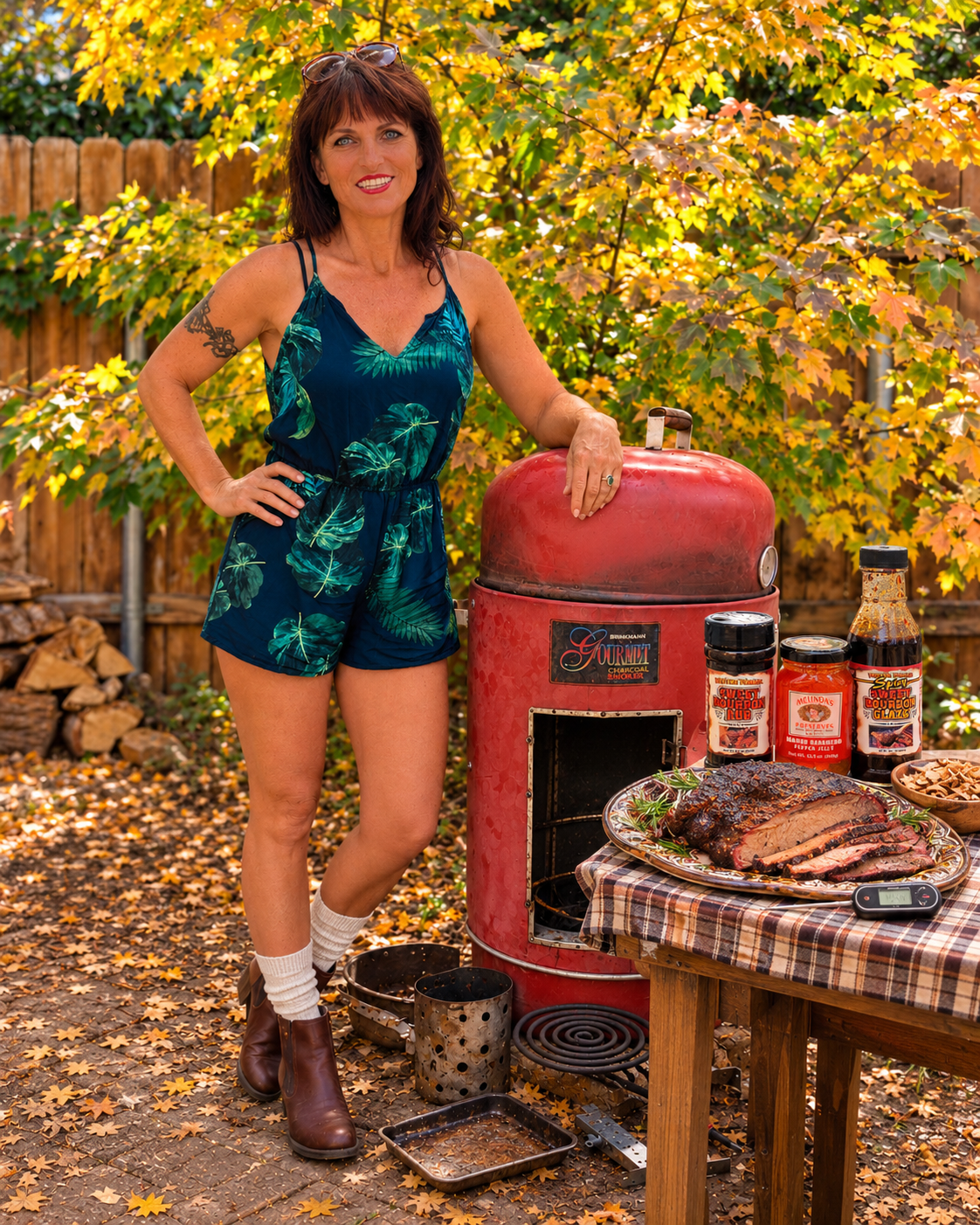
Now, technically, this wasn’t our first adventure in the wonderful world of smoked meats. My boyfriend and I had recently inherited an elderly red smoker from our neighbors, and after several weeks of questionable electrical engineering, numerous Amazon deliveries and approximately three hundred dollars spent on accessories for a supposedly free appliance, we were starting to feel pretty confident. (And broke, also broke) We’d even managed to produce the most scrumptious Mango Habanero Glazed Brisket I’d ever eaten on Super Tuesday. If we could successfully smoke a giant slab of beef while half the country was arguing about election results, surely we could handle a little Thanksgiving poultry. Right? RIGHT?
Here in Big Bear Lake, California, our rustic mountain cabin sits nearly 7,000 feet above sea level. Unlike those beach-loving Angelenos who think fifty degrees constitutes a statewide winter emergency, we actually experience four seasons. By late November, the temperature can drop below freezing, and we’re lucky if Thanksgiving afternoon reaches fifty degrees. It’s fantastic weather for cozy sweaters, spicy Indian curries and drinking coffee juiced up with Franglico, while watching the snow fall outside. It’s slightly less fantastic when you’re attempting to maintain a steady 250-degree temperature inside an ancient electric smoker that apparently received its engineering degree from a correspondence school.
But I was determined. I had a brined sixteen-pound turkey from Trader Joe’s, an entire family expecting dinner, and a boyfriend who had already spent far too many afternoons attempting to transform our backyard smoker into something that actually produced heat. We were committed. There was no turning back now. Well, technically, there was an oven approximately twenty feet away, but where’s the holiday adventure in admitting defeat before breakfast?
Smoking a Thanksgiving Turkey: Because Apparently We Needed More Holiday Drama
Thanksgiving at the Hungry Mountaineer household is not exactly a quiet, intimate dinner for four. No, we invite twenty people, including relatives who somehow manage to arrive with opinions about absolutely everything politically opposite of us. There’s my artist brother, who will inevitably inquire why we don’t stock soda in our refrigerator, as though we’ve committed a fundamental violation of the Geneva Convention. This is the same brother who has a complicated relationship with vegetables and an even more complicated history with our guest bathroom plumbing.
Then there are the relatives who want to spend Thanksgiving discussing their Teslas like their electric vehicles have just been accepted to UCLA on a full athletic scholarship. Yes, we understand. Your car is magnificent. It saves the planet, accelerates like a rocket and apparently possesses more artificial intelligence than half the California legislature. But could we possibly discuss something else while I’m trying to determine whether sixteen pounds of turkey is safely cooked? Perhaps the weather? The cranberry sauce? Why my rescue cat just vomited somewhere behind the refrigerator? Anything?
And naturally, somebody will eventually bring up politics, because apparently surviving another election cycle simply isn’t enough. We must revisit every argument at the Thanksgiving table while passing mashed potatoes and debating vaccines like we’re all suddenly qualified to testify before Congress. But here’s the thing about Thanksgiving. We love these people, even when they’re driving us absolutely crazy. The holiday is about family, gratitude, delicious food and occasionally pretending you didn’t hear what Uncle Whoever just said about California politics.
And if smoking a turkey gives me a legitimate excuse to escape to the backyard for a few peaceful minutes, take several deep breaths of crisp mountain air and temporarily forget which political candidates my relatives voted for on Super Tuesday, then suddenly this whole smoking-meat hobby is looking better than therapy. Besides, I have a turkey temperature to monitor, and unlike my extended family, at least the bird will eventually stop giving me a headache.
Let’s Smoke a Turkey! Famous Last Words Before Thanksgiving Dinner
When our neighbors first gifted us the Big Red Brisket Bitch, we assumed we had inherited an actual functioning smoker. Silly us. What we’d really received was a large red metal cylinder containing an assortment of mysterious com ponents, an electrical heating element that didn’t properly fit and what appeared to be several generations of abandoned barbecue ambitions. Calling this thing a smoker was like calling a rusted-out Ford Pinto a classic luxury automobile. Technically, it had the general shape of something useful, but there were a few rather important pieces missing.
The smoker had originally been designed for charcoal before someone decided to convert it into an electric model. Somewhere along the way, the heating element, wiring and basic principles of electrical compatibility apparently parted ways. The first time we attempted to fire up our fabulous new backyard cooking appliance, it repeatedly blew the circuit. Eventually, after several trips to Amazon and enough mechanical tinkering to qualify as an episode of This Old House: Barbecue Edition, we finally got the thing producing smoke.
Unfortunately, producing smoke and maintaining the correct cooking temperature turned out to be two entirely different accomplishments. During our first smoking adventure, we couldn’t seem to get the temperature above 180 degrees. Or so we thought. We’d stare at the old thermometer attached to the side of the smoker, scratch our heads and wonder whether this thing was actually cooking dinner or simply providing an expensive aromatherapy treatment for raw meat. Meanwhile, our brisket and tri-tip were cooking away, and we ended up overcooking them because we were trusting a temperature gauge that apparently had the accuracy of a California election poll. 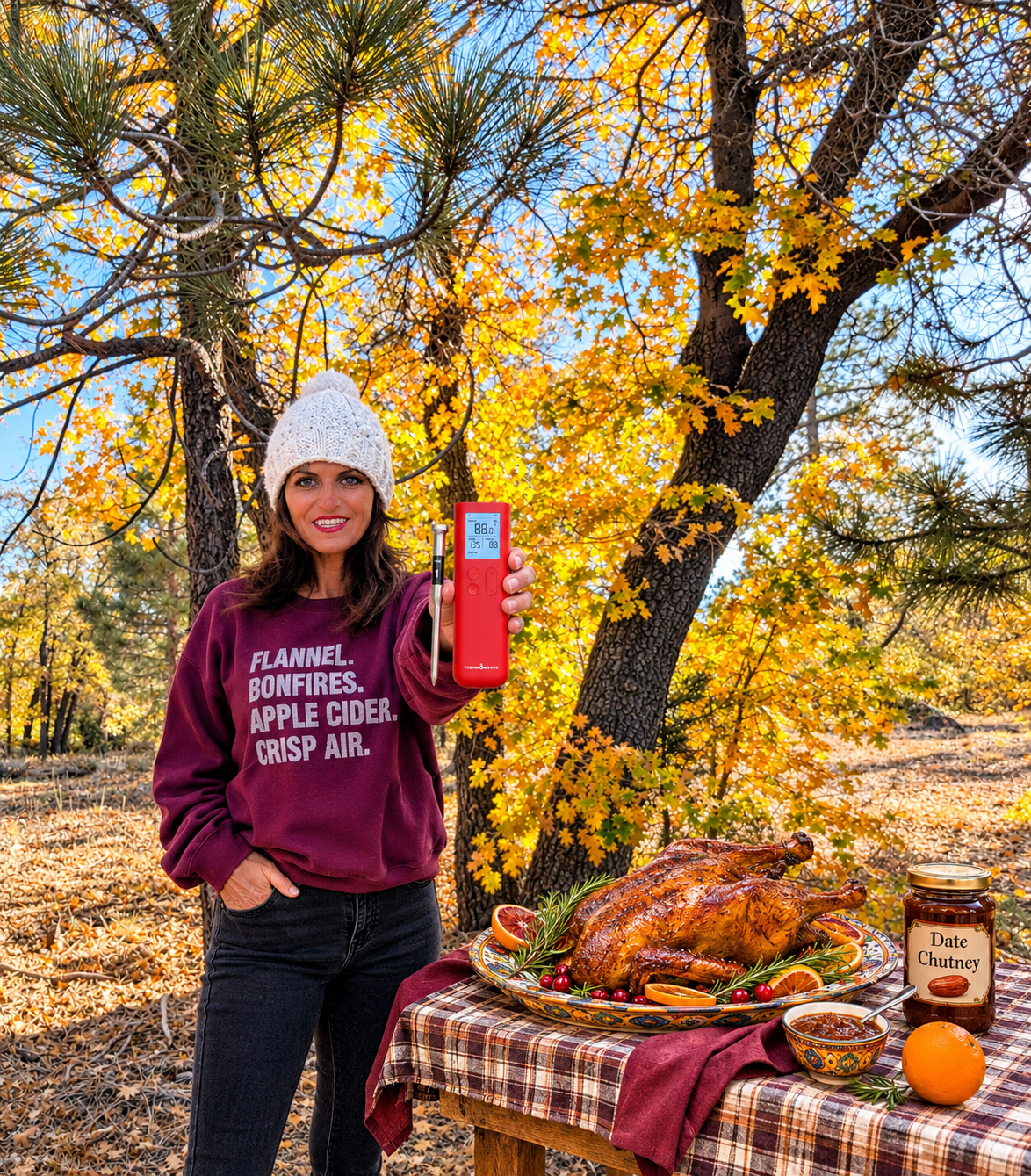
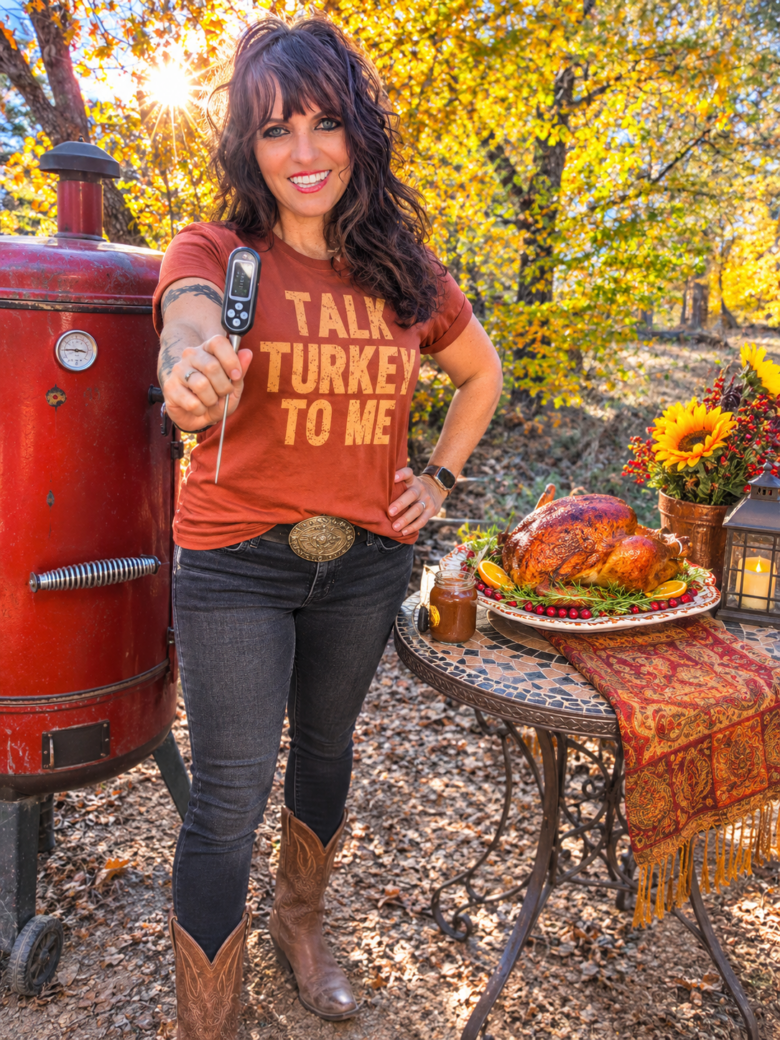
And this brings me to one of my most important lessons for anyone learning how to smoke a Thanksgiving turkey: buy a good-quality digital meat thermometer, like this one. Actually, buy one that can measure both the temperature inside your smoker and the internal temperature of your meat. We finally invested in a Bluetooth digital thermometer that connects directly to our phones, and suddenly smoking meat became considerably less mysterious. Instead of opening the smoker every eleven minutes to see whether anything was happening, we could monitor temperatures from inside our cabin and set alarms when the meat approached its target temperature. You can see exactly how hot your turkey is while sitting on the couch watching the Thanksgiving Sportsball.
Brilliant! Technology that actually makes life easier instead of sending me seventeen notifications about a celebrity divorce I couldn’t care less about. Just remember that the built-in dial on an old smoker may be wildly inaccurate. Measure the cooking temperature at grate level, near the turkey, and use a separate food-safe probe to monitor the bird itself. The USDA recommends maintaining a smoker temperature between 225 and 300 degrees Fahrenheit and cooking turkey to a safe internal temperature of 165 degrees in the thickest breast and innermost thigh and wing areas. That last part is particularly important, because nobody wants their Thanksgiving dinner remembered as the year twenty relatives developed food poisoning.
Smoking a Thanksgiving Turkey for the First Time: Butterballs and Bad Decisions
After our successful Super Tuesday brisket, I marched into Trader Joe’s and purchased a beautiful sixteen-pound brined turkey. I’d already mentally pictured the finished masterpiece sitting on a decorative platter, its golden skin glistening beneath the dining room lights while twenty guests applauded my culinary brilliance. In my imagination, I was practically a female Texas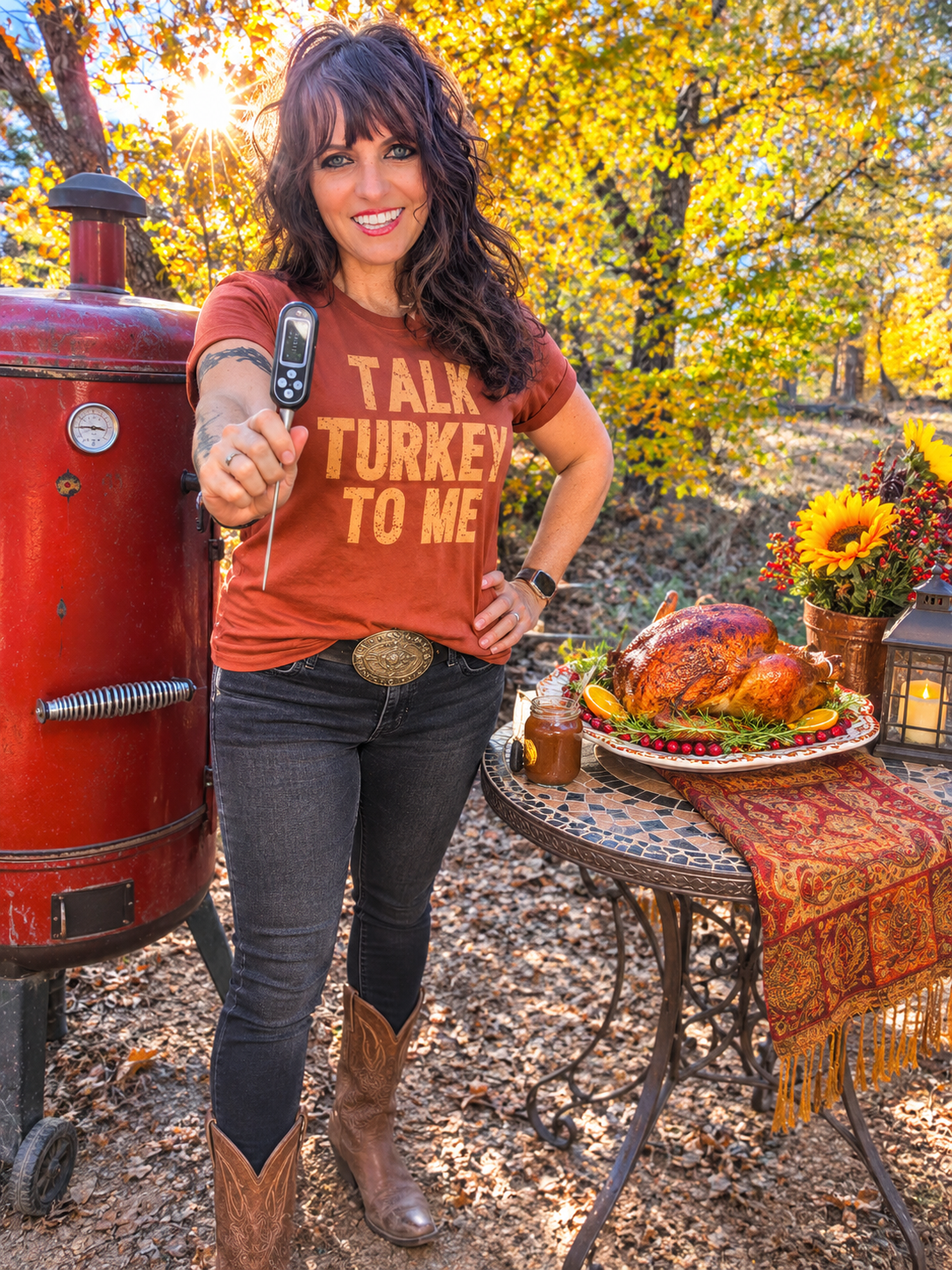 pitmaster wearing cowboy boots and a cute Thanksgiving apron. In reality, I was a slightly sleep-deprived mountain woman preparing to get up at five in the morning, wearing an old sweatshirt and wondering whether the damn electric smoker was going to blow another fuse.
Now, here’s an important detail I learned while researching smoking a brined turkey. A larger turkey isn’t necessarily the smartest choice for a beginner smoker, especially one with inconsistent temperature control. USDA guidance generally lists smaller turkeys, around eight to twelve pounds, for smoking, because the meat needs to cook safely and evenly. Other USDA guidance discusses smokers accommodating birds up to fifteen pounds, but a sixteen-pound turkey is beyond those recommended ranges. For a bird this large, dividing it into smaller sections or choosing a smaller turkey for the smoker is a better plan than gambling with a questionable heating element. You can always roast a larger bird in a conventional oven at 325 degrees or higher if your smoker isn’t up to the job.
The Big Red Brisket Bitch vs. a Southern California Snowstorm
One of the biggest challenges when smoking a turkey in cold weather is maintaining a consistent cooking temperature. Our mountain winters are fantastic for snowshoeing, hiking through frosty pine forests and curling up with a giant bowl of spicy curry. Unfortunately, they’re not ideal for an elderly electric smoker that already has a questionable relationship with electricity. When the outdoor temperature is forty or fifty degrees, the smoker has to work harder to maintain heat. Add a little mountain wind and a few poorly sealed seams, and suddenly your Thanksgiving dinner is being prepared inside something with roughly the insulating properties of a screen door.
Over the past few weeks, my boyfriend and I have been working to address the smoker’s heat leaks and improve its ability to maintain a reliable temperature. We also investigated high-temperature sealing products designed for cooking appliances, because an ordinary tube of household caulk has absolutely no business becoming part of your Thanksgiving dinner. Any seal or modification needs to be compatible with the smoker and used according to the manufacturer’s safety requirements. We use this high tempature resident sillicone you can buy on Amazon for all those small air leaks.
Positioning the smoker in an outdoor location sheltered from wind can help, provided you maintain proper ventilation and all required clearances from buildings and combustible materials. Never move a smoker indoors, into a garage or beneath an enclosed patio to keep it warm. We live in a rustic mountain cabin, and I have absolutely no interest in smoking the entire house along with the turkey. More importantly, if your smoker cannot maintain a safe cooking temperature despite reasonable troubleshooting, stop using it until the problem is corrected. No amount of family pressure is worth gambling with food safety or electrical safety.
Texas-Style Dry Smoking: Because My Turkey Doesn’t Need a Swimming Pool
During our adventures in the world of backyard barbecue, we’ve gravitated toward a drier, Texas-inspired smoking style. We’re not talking about traditional dry curing or dehydrating meat. We’re talking about using a smoker without filling its water pan, when the particular smoker is designed to operate safely that way. In our cold mountain climate, every little bit of available heat matters, and I’m not especially interested in asking an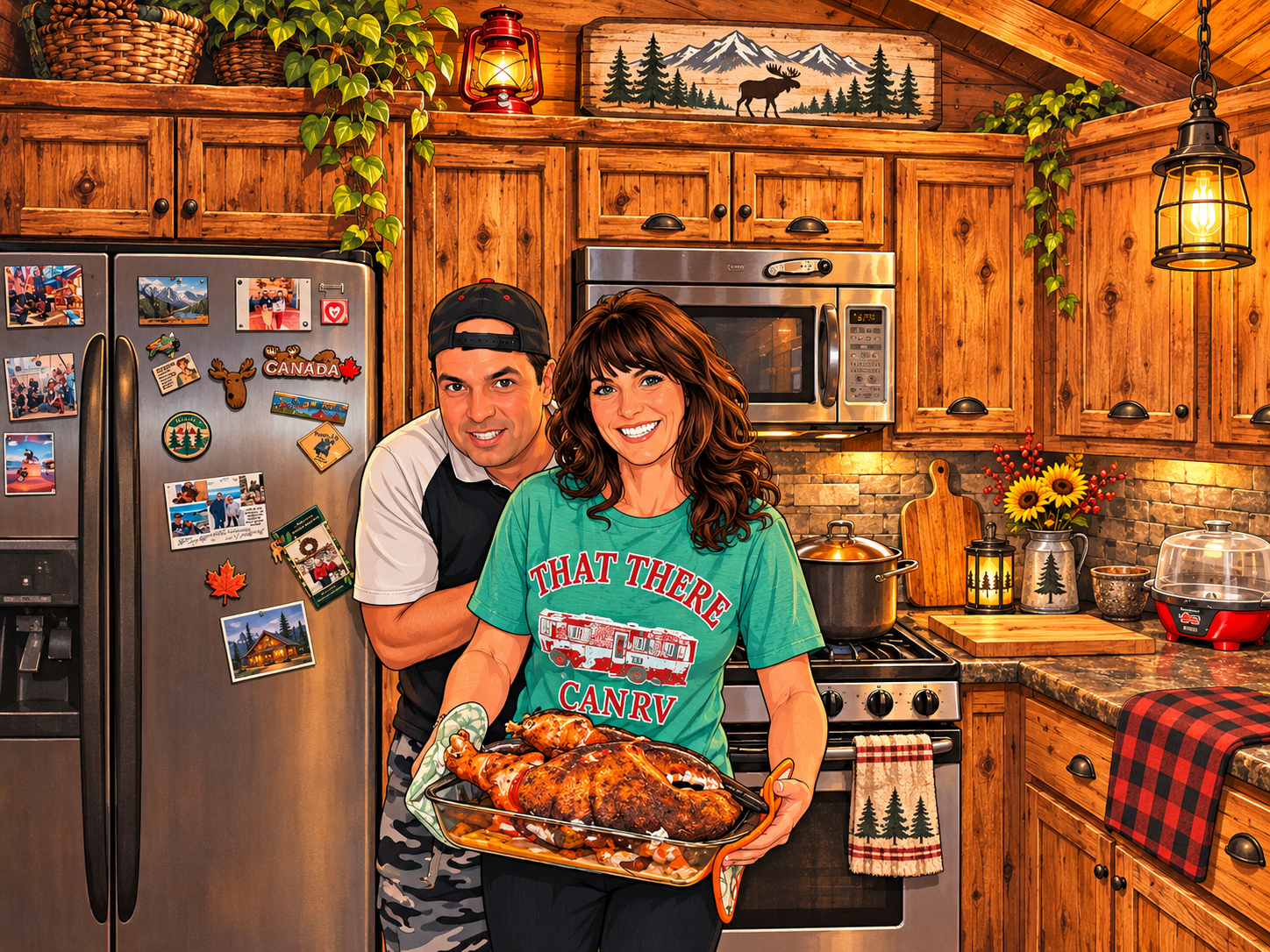 elderly electric heating element to warm a giant pan of cold water before it gets around to cooking dinner.
Water pans can be helpful in smokers. They moderate temperature fluctuations and add humidity to the cooking environment, which can be useful for long barbecue sessions. But that water also absorbs heat, especially when it’s cold. In an electric smoker that’s already struggling to reach 250 degrees, skipping the water can sometimes help the cooking chamber heat more efficiently and reach a higher temperature. It can also mean less mess and fewer trips outside to refill a pan. However, removing the water doesn’t automatically make the meat juicier or produce a better turkey. And some smokers, particularly certain charcoal designs, are intended to operate with liquid in their pans. Always follow your smoker’s instructions rather than treating dry smoking as a universal rule.
For us, the attraction is simplicity. I want clean hardwood smoke, steady heat, a good dry rub and a turkey that actually cooks before Christmas. A brined turkey already has moisture and seasoning working in its favor, so there’s no reason to assume the cooking chamber needs to resemble a humid Florida swamp. And if my Thanksgiving bird can develop beautiful smoky flavor without requiring me to babysit a boiling water pan in forty-degree weather, I’m certainly not complaining.
Wood Chips, Smoke Boxes and Other Things I Apparently Needed From Amazon
Another lesson from our first few smoking adventures involved the wood chips. When we started experimenting with Post Oak chips, we discovered that simply tossing loose wood around the inside of an electric smoker wasn’t necessarily the smartest idea, particularly in a homemade converted unit with exposed electrical components. Wood chips need to be kept in an appropriate container or tray, positioned according to the smoker’s design. They should never be piled directly against an electric heating element unless the appliance is specifically designed for that arrangement.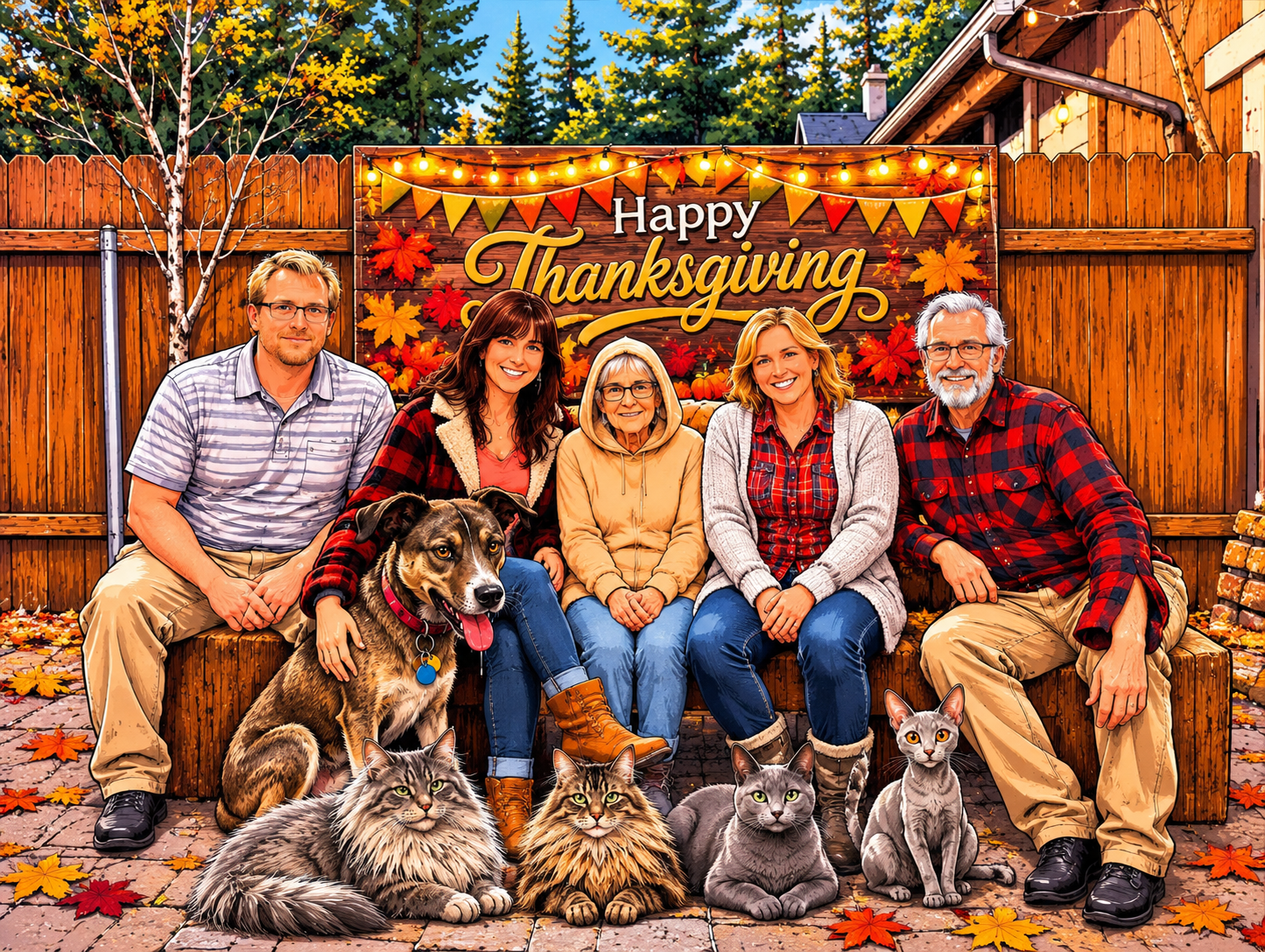
That’s where a proper smoker box becomes incredibly useful. A smoker box is a small metal container designed to hold wood chips while allowing smoke to escape through openings in the lid. It keeps the chips contained and can make them easier to manage, while helping you control how much smoke you’re introducing to the cooking chamber. Just make sure the box is suitable for your smoker, because not every electric model supports a separate aftermarket chip box, and you definitely don’t want to interfere with heating elements, airflow or safety clearances.
When choosing the best wood for smoking turkey, I generally lean toward milder hardwoods. Applewood and cherrywood are wonderful choices because they provide a gentle, slightly sweet smoke flavor that complements poultry without overpowering it. Pecan is another excellent option, especially if you want something a little richer. Post Oak, our favorite for Texas-style brisket, can work beautifully with turkey too, although I’d use it a little more carefully than I would when smoking a big fatty piece of beef. Turkey is much more delicate than brisket, and there’s no reason to make your Thanksgiving bird taste like it spent three days inside a burning lumberyard. This is a great link to buy a four pack of diferent wood choices for your smoking needs.
And please, for the love of all things barbecue, use wood intended for smoking food. This is not the moment to wander into the backyard, pick up some pine branches and announce that you’ve discovered a free source of smoker fuel. Resinous softwoods such as pine and fir can create unpleasant smoke and residues. Stick with clean, untreated cooking hardwoods (I’m looking at you, dad) Your guests don’t need to be wondering why the turkey tastes like a Christmas tree.
Don’t Let Your Thanksgiving Turkey Turn Into a Smoked Leather Handbag
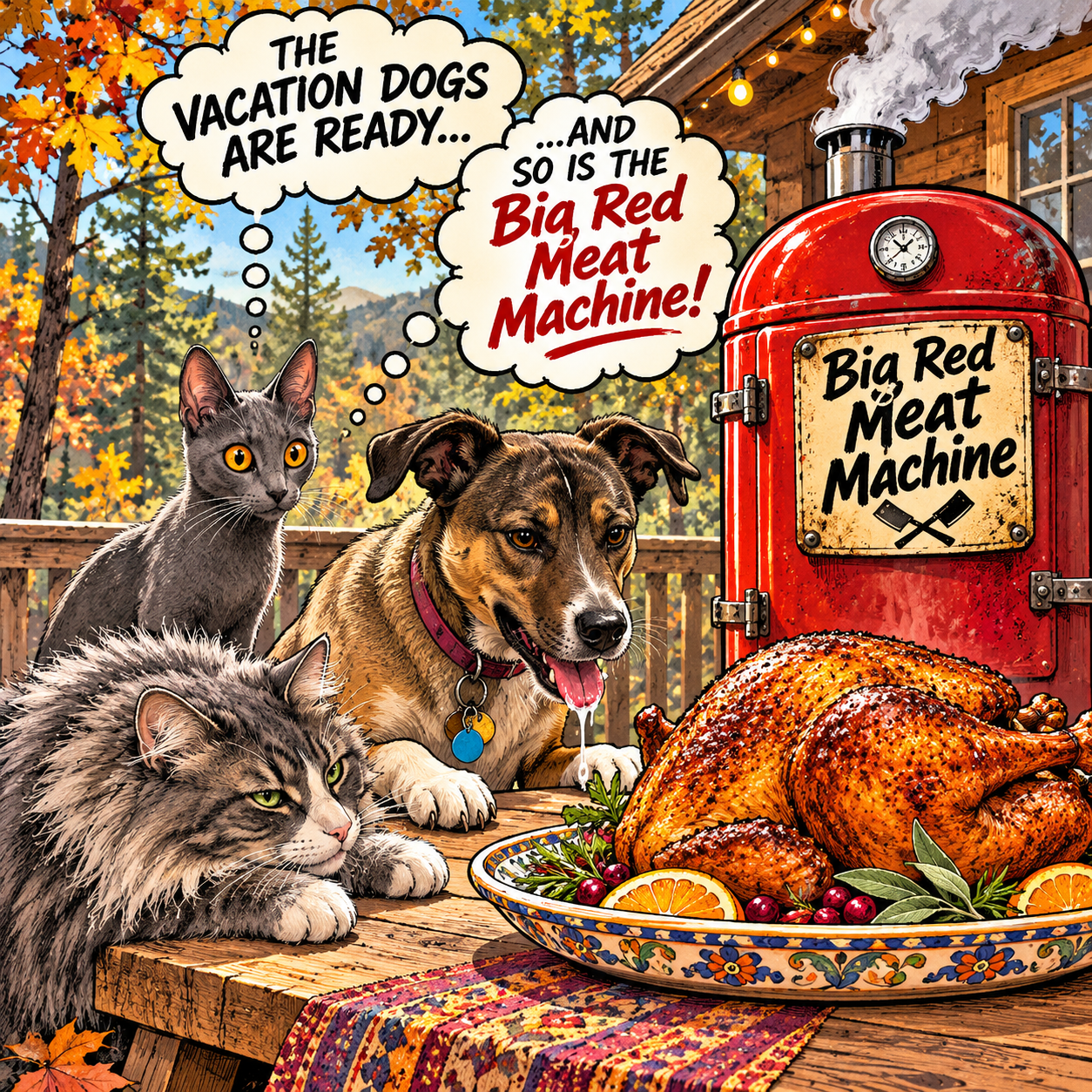
Here’s something that surprised me when I first started learning to smoke meat: brisket and turkey are very different animals in the smoker. Yes, I realize one is beef and the other is poultry. Thank you, Captain Obvious. What I mean is that the cooking process and the target temperatures are completely different. Brisket needs enough time for its connective tissue to break down, often becoming wonderfully tender when its internal temperature climbs into the high 190s or low 200s. Turkey, on the other hand, is much leaner, particularly the breast meat. Cooking a turkey breast to brisket temperatures would be an excellent way to create a very expensive chew toy for Vacation Dog.
 For smoked turkey, the safe minimum internal temperature is 165 degrees Fahrenheit. Check the thickest part of the breast, the innermost thigh and the innermost wing, avoiding contact with bone. The smoker itself should maintain a steady 225 to 300 degrees, and I prefer aiming toward the upper part of that range when the equipment can handle it. Higher cooking temperatures within that range can also help prevent the skin from becoming pale and rubbery, which is one of the less glamorous surprises of low-and-slow poultry smoking. If you’ve ever bitten into beautifully smoked chicken only to discover skin with the texture of an old raincoat, you understand the problem.
And whatever you do, don’t stuff your smoked turkey with traditional Thanksgiving stuffing. I love homemade stuffing almost as much as I love good barbecue, but filling the turkey’s cavity with bread dressing can slow down cooking and make it difficult for the center of the stuffing to reach a safe temperature. Prepare your stuffing separately in the oven. Besides, my family consumes enough stuffing to feed a small military installation, and there’s no possible way sixteen pounds of poultry could accommodate that much butter-soaked bread. I do like to shove a few orage segments and garlic cloves inside the cavity but by no means am I shoving delicious Sourdough Stuffing inside.
When Should You Start Smoking a Thanksgiving Turkey?
If you’re hosting Thanksgiving for twenty people, the answer is simple: earlier than you think. This is not the day to wake up at ten, pull a leisurely espresso and casually announce that you’ll start preparing the turkey after you handicap all nine races at Del Mar Thoroughbred Club. Smoking meat requires planning, especially in cold weather and especially with a smoker that’s already demonstrated an impressive talent for electrical rebellion.
For a properly sized turkey, USDA smoking guidance estimates approximately twenty to thirty minutes per pound at a smoker temperature between 225 and 300 degrees Fahrenheit. That’s a planning estimate, not a promise. Actual cooking time depends on the bird’s size, shape, temperature, the smoker’s heat consistency and outdoor weather. The digital thermometer decides when dinner is ready, not your artist brother who already inhaled all the twenty dollars a pound stuffed olives from Whole Foods and still declares he;s starving. Start with the turkey fully thawed and keep it refrigerated until you’re ready to cook.
And remember to give the turkey time to rest after cooking. I like allowing roughly twenty to thirty minutes before carving so the juices can settle and I have a few precious moments to finish the side dishes, help myself to a mug of mulled wine and pretend that I haven’t spent the entire morning wondering whether Thanksgiving dinner would end in triumph or if we would need to defrost the Lamb Biryani in the freezer.
The Thanksgiving Backup Plan: Because Even Cowboys Have Ovens
One of the best lessons I’ve learned from smoking meat is that having a backup plan doesn’t make you a failure. It makes you a functioning adult who understands that twenty hungry relatives will not appreciate being informed at seven o’clock that dinner has been postponed because the heating element has gone on strike. If the smoker fails before you begin cooking, use your regular oven instead. A conventional oven set to at least 325 degrees can safely roast a completely thawed turkey, assuming you follow the appropriate cooking instructions and verify the finished internal temperature.
If an equipment problem occ urs after smoking has started, don’t let a partially cooked turkey sit around while you spend three hours troubleshooting an electrical problem. Cooking must continue promptly at a safe temperature. If the smoker stops maintaining the required heat, a preheated oven may allow you to continue cooking without interruption, provided the turkey has been handled safely throughout. If the meat has spent too long at unsafe temperatures and you cannot verify that it remained safe, throwing it away is a much better option than giving your extended family a Thanksgiving souvenir from the emergency department.
That’s why I prefer having the oven available and not scheduling every single side dish to occupy it simultaneously. Thanksgiving may be a celebration of abundance, but there’s absolutely nothing abundant about oven space when you’re preparing dinner for twenty people.
Gobble Gobble, Namaste and Pass the Smoked Turkey
And that, my fellow backyard barbecue enthusiasts, is how the Hungry Mountaineer household decided that smoking a Thanksgiving turkey for beginners was the perfect way to celebrate the holiday season. We started with a free smoker that didn’t work, spent a small fortune on electrical components and barbecue accessories, learned that built-in smoker thermometers can be about as trustworthy as political campaign promises and discovered that cold mountain weather adds an entirely new level of entertainment to the art of cooking outdoors.
But here’s what I love about learning to smoke meat. It isn’t just about producing an incredible brisket or a beautifully seasoned Thanksgiving turkey. It’s about slowing down, experimenting with flavors, learning new techniques and creating something delicious enough to bring twenty people together around the same table. Even if half of them have completely different opinions about politics, electric vehicles, vaccines and whether kale should legally be allowed at Thanksgiving dinner.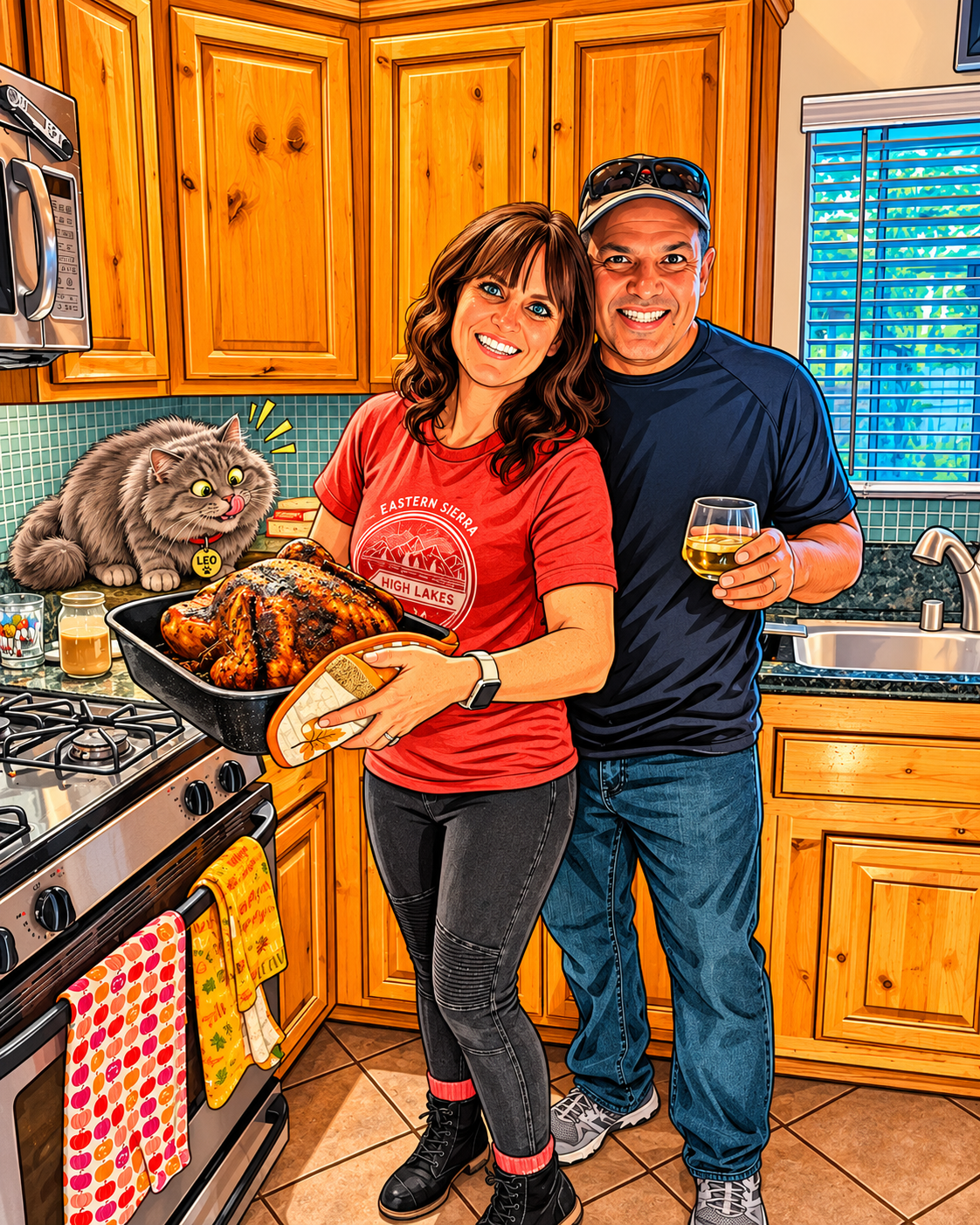
So fire up that Smokin’ Hot Mess, grab your favorite hardwood chips, make sure your meat thermometer is working and prepare yourself for a Thanksgiving feast that smells like Texas barbecue wandered into the San Bernardino Mountains. And if your family starts arguing vaccines before the appetizers are finished, just remember that you now have a perfectly legitimate excuse to escape into the backyard and check on the turkey. Again. And again.
Before you can say “Gobble Gobble” or “Namaste, pass the gravy,” let me introduce you to the Hungry Mountaineer’s original Thanksgiving smoked turkey recipe. It’s a holiday centerpiece worthy of your favorite decorative platter, your most forgiving Thanksgiving pants and maybe even a compliment from that relative who hasn’t approved of anything you’ve cooked since 1998.
Now, who’s ready for some smoked turkey?
From Butterball to Bollywood: Indian-Spiced Smoked Turkey with Date Chutney Glaze
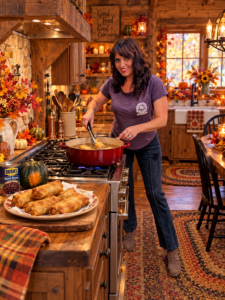
Looking to create a slightly more ethnic Thanksgiving dinner and escape the same bland turkey flavors your family has been consuming since the Eisenhower administration? Well, come on into my spice-filled mountain kitchen! Yes, it smells like curry in here. No, I don’t care. And yes, that is an actual container of garam masala sitting next to the Thanksgiving butter. We’re about to create an Indian-inspired smoked Thanksgiving turkey that would make a Punjabi auntie put down her rolling pin, take one bite and announce, “Not bad for an American. But why are you being so cheap with the ghee?”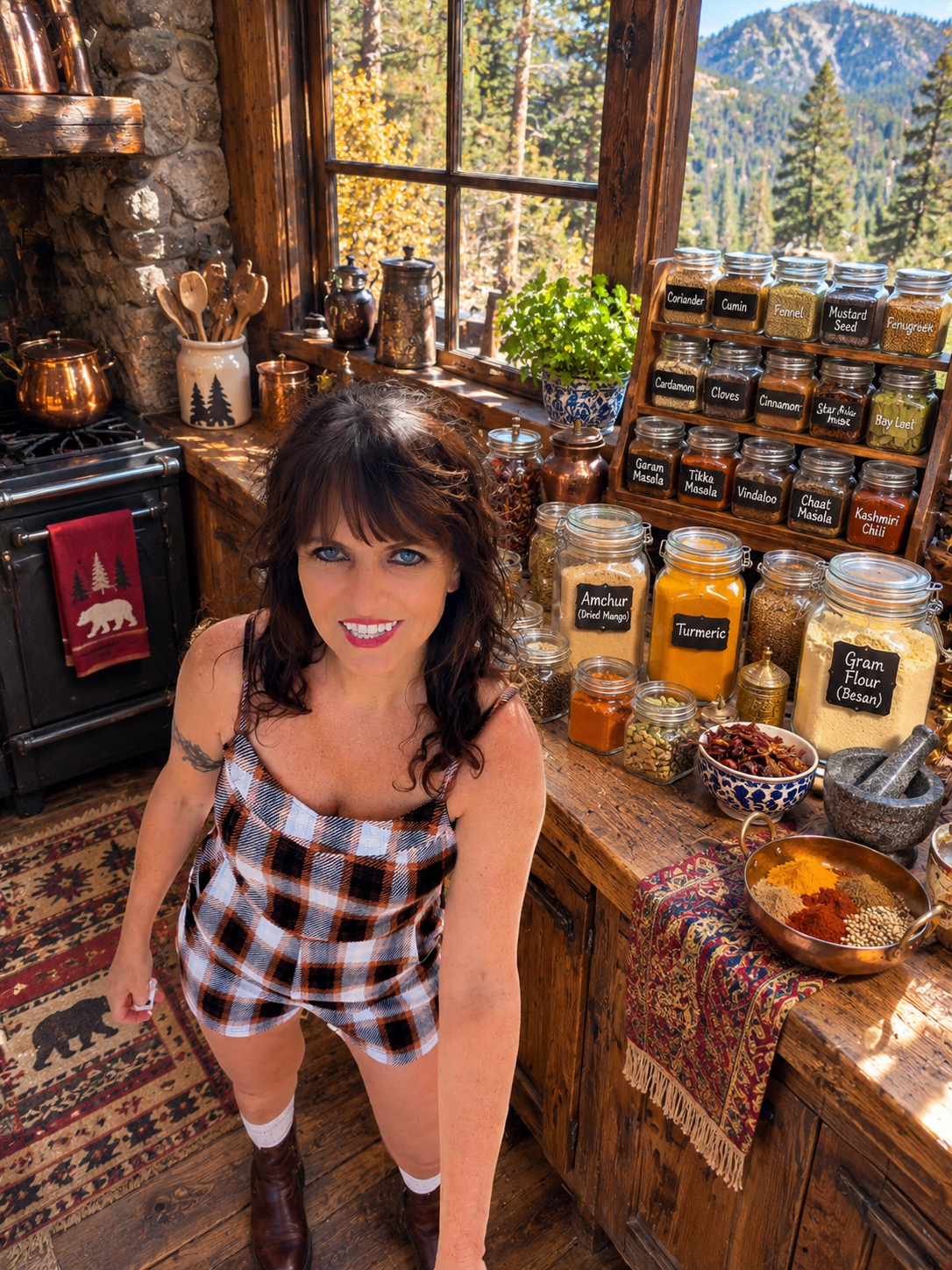
I’m not suggesting that there’s anything wrong with a traditional American Thanksgiving turkey. I love butter, garlic, rosemary and all those wonderful holiday flavors as much as the next woman wearing stretchy Thanksgiving pants. But after spending years experimenting with Indian curries and collecting enough spices to open a small grocery store in Bangalore, I couldn’t resist bringing a little South Asian inspiration to our holiday table. And honestly, if I’m going to spend half of Thanksgiving babysitting the Big Red Brisket Bitch in my backyard, that turkey had better be spectacular.
The secret to this incredible smoked Thanksgiving turkey is a rich garam masala butter rub flavored with fresh ginger, garlic and just enough salt to make the spices sing. We’re adding fresh oranges and garlic for a beautiful citrus aroma, then finishing the turkey with my homemade Date Tamarind Chutney Glaze. That final glaze brings sweetness, tanginess and a delicious Indian twist to a traditional Thanksgiving centerpiece. Garnish it with crispy fried sage leaves from your autumn herb garden, and suddenly your holiday dinner looks like something served at an expensive fusion restaurant. Except you’re wearing cowboy boots, the cat just threw up somewhere and somebody is asking why the gravy isn’t ready yet.
Garam Masala Butter: Because Plain Turkey Is for People Who Think Black Pepper Is Spicy
Suggested ingredients for an 8–12-pound turkey
- 1 fully thawed, unstuffed turkey, 8–12 pounds
- 1/2 cup unsalted butter, softened
- 2 tablespoons garam masala
- 5 garlic cloves, finely minced
- 1 tablespoon freshly grated ginger
- 1 teaspoon kosher salt, or less if the turkey is already brined
- 1/2 teaspoon freshly ground black pepper
- 2 oranges, quartered
- 6 whole garlic cloves, peeled
- 1/2–3/4 cup Date Tamarind Chutney, for glazing
- Fresh sage leaves, for garnish
- 2 tablespoons butter or ghee, for frying the sage leaves
The first step is to prepare your turkey. If you purchased a pre-brined turkey like I did, congratulations! You’ve already skipped one of the messiest parts of holiday cooking. Check the label before adding additional salt, because the last thing you want is a Thanksgiving turkey with the sodium content of the Dead Sea. Remove the neck and giblets, pat the turkey dry with paper towels and place it on a large, clean foil tray.
Next, mix your softened butter with the garam masala, minced garlic, freshly grated ginger, salt and black pepper. Stir everything together until you have a beautifully fragrant, golden, spice-filled butter that smells like an Indian restaurant and a Thanksgiving feast decided to get married. I like using fresh ginger and garlic here because they bring a wonderful savory punch to the warm spices. And don’t be afraid to get your hands dirty. This is Thanksgiving dinner, not a manicure appointment.
Gently loosen the turkey skin over the breast meat without tearing it, then rub some of that glorious garam masala butter directly underneath the skin. Spread the remaining butter over the outside of the turkey, including the legs and wings. Getting seasoned butter beneath the skin is especially helpful because it flavors the breast meat directly instead of leaving all your spices sitting on the exterior looking decorative. Keep the bird refrigerated until the smoker is ready.
Orange You Glad This Turkey Doesn’t Taste Like Every Other Thanksgiving?
Now for the oranges and garlic! I love using citrus with garam masala because the bright, fragrant orange aroma complements all those warm Indian spices. Arrange your orange quarters and whole garlic cloves loosely inside turkey cavity.
Once your turkey is beautifully coated with spiced butter and ready for its holiday debut, preheat your smoker to a steady temperature between 225 and 300 degrees Fahrenheit, preferably around 275 degrees if your equipment can maintain it.
Place the turkey breast-side up on the smoker rack, with a suitable foil drip pan underneath, and insert a reliable digital meat thermometer into the thickest part of the breast without touching the bone. Keep the lid closed as much as possible, because every time you open the smoker to admire your masterpiece, you’re letting out precious heat.
Cooking time will vary depending on your turkey’s size, the weather and how consistently your smoker maintains temperature. For smaller birds, smoking can take roughly twenty to thirty minutes per pound, but never rely on the clock alone. Your turkey is safely cooked when the thickest part of the breast and the innermost thigh and wing areas all reach at least 165 degrees Fahrenheit.
Date Tamarind Chutney: The Sticky Situation You Actually Want
And now we arrive at the grand finale: my homemade Date Tamarind Chutney Glaze. This is where our smoked Thanksgiving turkey transforms from delicious traditional holiday poultry into something that tastes like Thanksgiving took a first-class flight to India and came home with an entirely new personality.
Date tamarind chutney brings together the natural sweetness of dates and the tangy, slightly sour flavor of tamarind. It’s fantastic with Indian appetizers, but it’s also ridiculously delicious brushed over smoked poultry. Combined with the warm spice notes of garam masala, the chutney creates a gorgeous glossy coating that tastes sweet, savory, tangy and just a little exotic. It’s the kind of flavor combination that makes people stop arguing about politics long enough to ask what on earth you put on the turkey.
But here’s one very important lesson from the Hungry Mountaineer school of barbecue disasters: Do not add your date tamarind chutney glaze at the beginning of the smoking process! Dates contain natural sugars, and many chutney recipes include additional sweeteners. Those sugars can scorch during a long smoking session, even when you’re cooking at relatively low temperatures. Unless you want your beautiful Thanksgiving turkey to resemble something excavated from Pompeii, put down the basting brush and exercise a little patience.
Wait until the final hour of smoking before even thinking about the glaze. I prefer applying it during the last twenty to thirty minutes, when the turkey is approaching its finished temperature. If your chutney is very thick, warm it gently with a splash of water until it’s easy to brush onto the skin. Apply a thin layer, close the smoker and let the glaze become glossy and sticky without burning. You can brush on a little more if needed, but avoid building a giant sugary crust that turns black before dinner.
When the bird reaches 165 degrees in all the required places, remove it from the smoker and allow it to rest for approximately twenty to thirty minutes before carving. This is your opportunity to finish the side dishes, pour yourself a mug of hot mulled wine and remind the family that the person who cooked Thanksgiving dinner is absolutely not responsible for cleaning the kitchen afterward.
Crispy Fried Sage Leaves: Because My Front Yard Is Apparently an Herb Plantation

To prepare the sage leaves, rinse and thoroughly dry your fresh sage leaves. Heat a couple of tablespoons of butter or ghee in a small skillet over medium heat, then add the sage leaves in a single layer. Fry them briefly until they become fragrant and crisp, usually around thirty seconds to one minute, depending on their size and the heat of your pan. Remove them immediately and place them on a paper towel. Be careful not to burn them, because sage can go from perfectly crispy to tasting like a campfire in the blink of an eye.
Once your smoked turkey has rested and you’ve transferred it to a beautiful Thanksgiving platter, arrange the crispy sage leaves around the bird. The combination of golden smoked turkey, glossy date tamarind glaze and fragrant sage creates a centerpiece worthy of a holiday food magazine. Or at least worthy of seventeen photographs before my family starts asking when they can eat.
The Best Thanksgiving Side Dishes for Indian-Inspired Smoked Turkey
Now, just because we’re serving an Indian-inspired smoked Thanksgiving turkey doesn’t mean we need to abandon every traditional American holiday favorite. Trust me, there would be an actual family uprising if I announced that Mom’s cheesy potatoes weren’t invited to Thanksgiving this year. But adding a few fresh, flavorful and slightly unexpected side dishes is a wonderful way to balance the richness of smoked meat, buttery potatoes and all that glorious holiday stuffing.
Air Fryer Papadums: Because Every Holiday Needs Something Crunchy
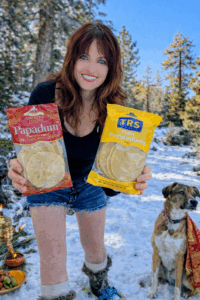
If you’re already making a Thanksgiving turkey with garam masala and date tamarind chutney, why not add crispy Indian papadums to the appetizer spread? These thin, crunchy Indian wafers are traditionally made with lentils and are fantastic served with chutneys. I love preparing papadums in the air fryer because they crisp up quickly without requiring a pot of hot oil.
Moroccan Cauliflower Couscous Salad: Thanksgiving Takes a Detour Through North Africa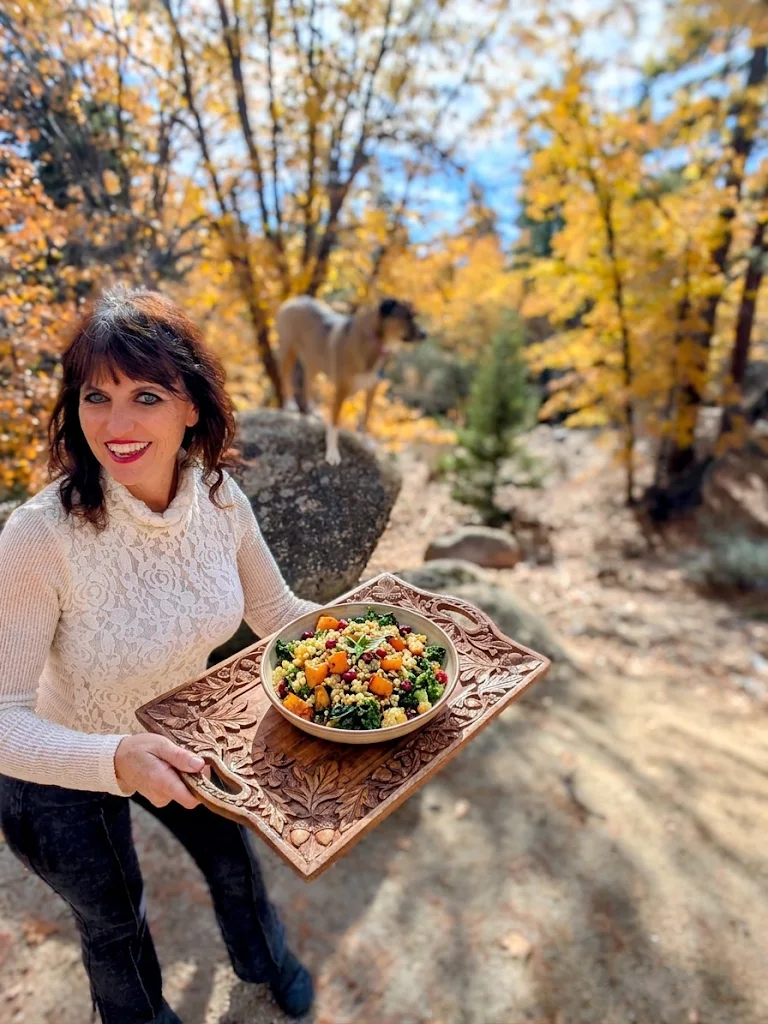
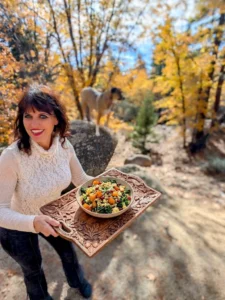
My Moroccan Cauliflower Couscous Salad is another fantastic side dish to serve with this garam masala smoked turkey. I love combining the savory flavors of roasted cauliflower with fluffy couscous, chickpeas, sweet dates, red onions and fresh herbs. Those wonderful Moroccan-inspired spices and the sweet-tangy elements of the salad pair beautifully with the Indian flavors in the turkey. Plus, it’s a colorful, hearty addition to the Thanksgiving table that doesn’t involve another twelve ounces of melted cheese. I know, revolutionary! Apparently vegetables can actually taste delicious without being buried beneath an avalanche of butter and cream of mushroom soup.
So there you have it: a Thanksgiving smoked turkey rubbed with garlic, ginger and garam masala, finished with sticky date tamarind chutney and garnished with crispy fried sage leaves. It’s smoky, savory, buttery and just different enough to make your relatives wonder whether you’ve secretly enrolled in culinary school somewhere in Punjab.
Now, somebody pass the Mint and Mango Chutney, keep an eye on the smoker thermometer and tell my brother that no, we still don’t have any soda in the refrigerator.