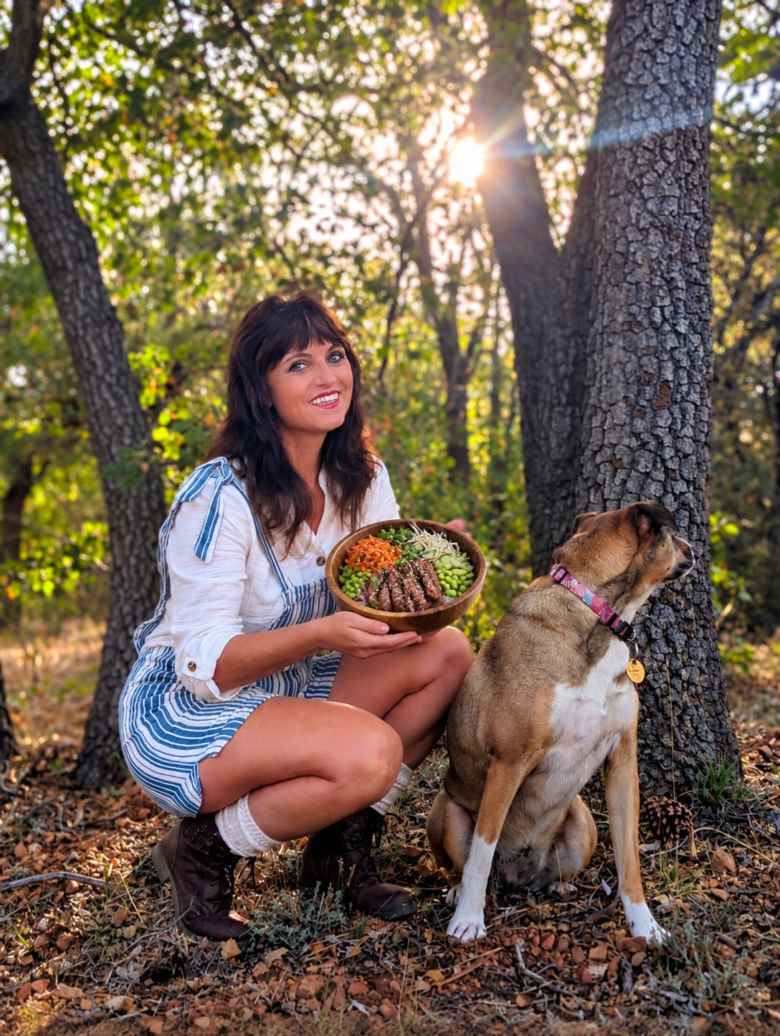
Bulgogi Beef Banh Mi Bowls: Korean BBQ Crashes a Vietnamese Dinner Party

Is Bulgogi Beef Banh Mi a fall-inspired dinner? Of course it is. I realize there is not a single decorative pumpkin, butternut squash or cinnamon stick involved, but autumn cooking at our house has its own rules.

When fall colors are on the horizon and we’re packing the motorhome for our annual Eastern Sierra leaf-peeping shenanigans, I’m also stripping the garden of anything that survived our very short mountain growing season. I’m looking at you, cilantro, carrots and that one precious jalapeño I managed to grow at 7,000 feet. Congratulations, little buddy. You survived. Now you’re dinner.

Those garden leftovers also happen to be exactly what I need for these Bulgogi Beef Banh Mi Bowls, my Korean-Vietnamese fusion version of one of my favorite sandwiches. There may not be pumpkin involved, but this Hiker Girl does not care. After a morning spent hiking straight uphill through golden aspens in one of the many pairs of UGG hiking boots I apparently needed to own, I’m ready to shove my face at an easy October dinner.

Doesn’t everyone hike eight miles every day on vacation? No, just me? That is the Hiking Guide in me; You can take the Hiking Guide out of Big Bear Lake but you can’t make me take a rest day!

Looking to book the best fall-color hike in Big Bear Lake or the Eastern Sierra with Tripadvisor’s #1-rated Outdoor Adventure Guide?

                                        Book this hike now!

I love cooking at camp, but I don’t want to spend every evening creating Goan Lamb Vindaloo in our outdoor camp kitchen like I’m auditioning for Little House on the East Indian Prairie. Some nights I want to sit beside the campfire with a mug of hot mulled wine and edit the approximately 500 fall-color photos I took that morning.

Besides, I already hiked ten miles.

Isn’t this how everybody vacations?

Bulgogi Beef Banh Mi Bowls: Korean Beef Meets Vietnamese Crunch

Bulgogi Beef Banh Mi Bowls are exactly the kind of easy camping dinner I want after a long day on the trail. The beef cooks ridiculously fast, the quick-pickled vegetables can be prepared ahead of time, and most of the toppings require little more effort than opening the refrigerator and throwing delicious things into a bowl.

Because if I’ve spent my “vacation” hiking ten miles uphill, I certainly don’t want to return to camp and discover that I’ve apparently booked myself a second shift as executive chef.

Funny enough, I wasn’t even craving bulgogi until I was roughly 30 hours into a 36-hour fast and made the rookie mistake of watching television. There I was, hungry enough that the dog was beginning to look concerned, when an episode of The Blacklist featured characters sitting in a restaurant inhaling bulgogi bowls. That was it.

I needed bulgogi so damn badly that I’m pretty sure I could smell the Korean barbecue through the television.

So what the Hell Is Bulgogi?

If you’ve made it this far and are wondering what exactly bulgogi is, welcome to the delicious part.

Bulgogi is a classic Korean dish whose name essentially means “fire meat.” It’s typically made with very thin slices of beef—often ribeye or another tender cut—marinated in a sweet-savory mixture that can include soy sauce, garlic, sesame oil, sugar and fruit such as Korean pear. The thinly sliced Korean BBQ beef cooks quickly over high heat, giving you tender meat with caramelized edges and that sweet, salty, garlicky flavor that makes you wonder why you haven’t been putting bulgogi in everything.

And because apparently Korean barbecue wasn’t international enough for me, I decided to introduce it to Vietnam.

Banh Mi, Meet Bulgogi

Traditional Vietnamese banh mi is already one of the world’s great fusion foods, combining Vietnamese ingredients and flavors with French culinary influence, most famously the baguette. Typical versions pile savory meat into that crisp bread with pickled carrots and daikon, cucumber, cilantro, chiles and other fresh, tangy toppings.

My Bulgogi Beef Banh Mi Bowls take those flavors, ditch the baguette and turn the whole situation into a protein-packed bowl loaded with Korean bulgogi beef, crunchy pickled carrots and radish, fresh homegrown organic cilantro,  jalapeño and whatever other international ingredients happen to wander into my outdoor kitchen.

Sweet and spicy Korean beef meets bright, vinegary Vietnamese-style vegetables. Yes, it just may be international relations, without the family feud.

And yes, I know your artist brother’s political opinions are always correct but we’re talking about dinner. Fusion food does not require approval from the United Nations or haughty family members, who have never even traveled out of the U.S. but still think they know everything about ethnic cuisines.

Bulgogi Beef Banh Mi Bowls: A Korean-Vietnamese Love Affair in a Bowl

I may be Big Bear Lake, California’s most opinionated food blogger, but I can’t create my world-class Telagu Mango Chili pickles from scratch all the time. Sometimes, even the boujiest foodies have to give in and buy premade sauces at their local ethnic markets. Especially when you are prepping for a three-week RV camping road trip. When it comes to creating authentic bulgogi from scratch, I cheat.

I buy my favorite prepared bulgogi marinade from our “local” Asian market—and by local, I mean approximately two hours from our rural mountain home in Southern California. When you live at 7,000 feet, “just popping over to the Asian market” requires snacks, six dollars a gallon for gasoline and possibly a change of clothes.

While you’re there, however, the Asian market is also one of the best places to buy the beef for this dish. Look for thinly sliced ribeye labeled for shabu-shabu or hot pot. The paper-thin meat marinates quickly and cooks in minutes, which is exactly what I want for an easy fall camping meal.

So many miles from any ethnic market

And if I stumble across shabu-shabu-style lamb? Even better. I will choose lamb over beef nearly every time because apparently even my Korean-Vietnamese fusion dinner needed one more passport stamp.

If you can’t find pre-sliced shabu-shabu meat, don’t fret. Buy a good-quality ribeye with plenty of that glorious marbling. Pop the steak into the freezer for roughly 30–60 minutes until it’s firm but not frozen solid, then use a very sharp knife to slice it thinly against the grain.

Congratulations. You just made your own shabu-shabu-style beef without driving two hours in Los Angeles traffic.

Why Put Asian Pear, Yuzu or Pineapple in Bulgogi?

Fruit isn’t just wandering into a Korean beef marinade because somebody thought dinner needed to be more adorable. Certain fruits can help tenderize meat because they contain enzymes that break down proteins.

Korean and Asian pear are especially traditional in bulgogi marinades and contribute sweetness while helping tenderize the beef. Pineapple is an extremely effective tenderizer thanks to bromelain, although it can turn thin meat unpleasantly soft if left too long.

Yuzu is a little different. I love its fragrant, tart citrus flavor in Asian-inspired recipes, but I wouldn’t describe it as a natural enzymatic tenderizer in the same way as pear or pineapple. I use yuzu here because it tastes fantastic and brings acidity and brightness to all that rich ribeye.

Basically, yuzu shows up because I invited it to the party.

Bulgogi Beef Banh Mi Bowls Go Completely Off Script

Is this Bulgogi Banh Mi bowl fusion-forward? Oh, Sally. We left authenticity several exits ago.

Banh mi itself has a fascinating Vietnamese-French history; I’ve brought Korean bulgogi to the party, and then I start tossing in Japanese-inspired flavors like pickled ginger and the peppery little organic nasturtiums growing in my mountain garden.

Did I just garnish my Korean Vietnamese fusion bowl with freshly picked organic flowers? Have I been hallucinating from lack of oxygen on a 10,000-foot mountain peak for too long? Nope. Those suckers are edible.

Yes, Sally, You Can Eat the Nasturtiums

Nasturtiums aren’t just pretty orange, yellow and red flowers gardeners plant because they’re trying to make the rest of us feel inadequate about our yards. The flowers, leaves and even the immature seed pods are edible.

They have a fresh, peppery flavor often compared with watercress, radish or arugula. Gardeners also love nasturtiums because they’re colorful, relatively easy to grow, attract pollinators and can function as companion plants in the vegetable garden.

The nasturtiums I grow at 7,000 feet seem to have an especially spicy personality. To me, they have an almost wasabi-like bite, which is exactly why I love scattering the flowers over Asian-inspired recipes like these Bulgogi Beef Banh Mi Bowls.

Plus, they’re gorgeous. By early fall, I’m basically the Oprah Winfrey of nasturtiums. Would this bowl benefit from a peppery little wasabi-like kick?

YOU get a nasturtium! Does that salad look boring? YOU get a nasturtium!

Did Vacation Dog wander too close to the outdoor kitchen?

Okay, you do not get a nasturtium. Go eat your salmon jerky. Just make sure you’re eating nasturtiums you know haven’t been treated with pesticides or other chemicals not intended for edible crops. The random decorative flowers outside the grocery store are not tonight’s garnish.

From Ten Miles on the Trail to Bulgogi Beef Banh Mi Bowls

And that is how an October camping dinner at campsite 32 somehow travels from Korea to Vietnam to Japan before finally landing beside a campfire somewhere in the Eastern Sierra.

These Bulgogi Beef Banh Mi Bowls give me exactly what I want after a long fall hike: tender Korean BBQ beef, tangy quick-pickled vegetables, crunchy carrots and radish, cilantro, jalapeño, fragrant yuzu and a colorful handful of edible nasturtiums I picked from the garden before we left home a few days ago. They’re sweet, spicy, savory, fresh and incredibly easy to assemble after a day spent chasing fall colors.

Because fall food does not always need to involve pumpkin. Sometimes the perfect easy fall dinner is a steaming bowl of bulgogi beef, a mug of mulled wine and 500 photos of the exact same golden aspen tree that I will now spend the next three hours insisting are all completely different.

And tomorrow? Apparently we’re hiking another ten miles to see 500 more aspen trees.

Bulgogi Beef Banh Mi Bowls: Korean BBQ Crashes a Vietnamese Dinner Party

2 cups cooked sushi rice, about 1/2 cup per person
1 pound thinly sliced ribeye or shabu-shabu-style beef
1/2–3/4 cup prepared bulgogi marinade
1 cup shelled edamame, cooked
1/2 cup pickled red onions
1/2 cup sliced spicy pickles, I like Famous Dave’s brand
1 jalapeño, thinly slivered
1/2 cup chopped fresh cilantro
1 cup pickled grated or julienned carrots
2 Persian cucumbers, very thinly sliced or julienned
1 cup alfalfa or radish sprouts
1 watermelon radish, grated
1/3 cup pickled ginger
Spicy aioli, for drizzling
Fresh nasturtium flowers from the garden, for garnish

Directions

Marinate your thinly sliced ribeye in the bulgogi marinade for at least 30 minutes. Because shabu-shabu-style beef is sliced so thinly, it doesn’t need an all-day spa treatment in the marinade. If you’re preparing these Bulgogi Beef Banh Mi Bowls at camp, marinate the beef ahead of time and keep it properly chilled until you’re ready to cook.

Prepare the sushi rice according to the package directions. You’ll want roughly 1/2 cup of cooked rice per person. Divide the warm rice among four bowls.

Heat a cast-iron skillet, griddle or camp stove pan over medium-high to high heat. Remove the beef from the marinade, letting the excess drip away, and cook it in small batches so the meat sears rather than steams. Because the beef is sliced paper-thin, it should cook very quickly. Let those edges get a little caramelized—that’s where the Korean BBQ beef magic happens.

While the beef cooks, prepare all your toppings. Thinly slice the Persian cucumbers, sliver the jalapeño, chop the cilantro and grate that gorgeous watermelon radish. Drain your pickled carrots, pickled red onions and pickled ginger so you don’t turn your beautiful sushi rice into pickle soup.

Now comes the fun part. Top each bowl of sushi rice with a generous pile of bulgogi beef and edamame. Arrange the pickled carrots, red onions, sliced pickles, Persian cucumbers, alfalfa sprouts, watermelon radish, jalapeño, cilantro and pickled ginger around the beef.

Drizzle the whole glorious Korean-Vietnamese-Japanese situation with spicy aioli.

Finish each Bulgogi Beef Banh Mi Bowl with fresh nasturtium flowers picked from the garden. Nasturtiums add more than a pretty Instagram moment—their peppery, almost radish-like bite works beautifully with the sweet bulgogi beef, tangy pickled vegetables and spicy aioli.

Then take seventeen photos because you spent all that time arranging your watermelon radishes and nasturtium flowers and obviously no one is allowed to touch dinner yet.

Hiker Girl tip: For camping, I would make the pickled carrots, pickled red onions and spicy aioli at home and pack them in separate containers. Cook your sushi rice and bulgogi beef at camp, then set out all the toppings and let everyone build their own Bulgogi Beef Banh Mi Bowls. It turns an impressive-looking dinner into about ten minutes of actual campsite work—which leaves considerably more time for mulled wine and arguing over which of today’s 500 fall-color photos is going on Instagram.

Comments

  1. Jen

    I’ve never thought of doing a fusion like this but it sounds SO good! Will be giving this a try for lunch this week. So excited!

    1. Post
      Author

Leave a Reply

Your email address will not be published. Required fields are marked *