
This is a true tale of small-town drama, sustainable fashion, and how AI became an unexpected member of my recycled fashion rescue team.
As a local small business owner, I try—really try—to run my business in a way that doesn’t actively destroy the planet I make my living on. Su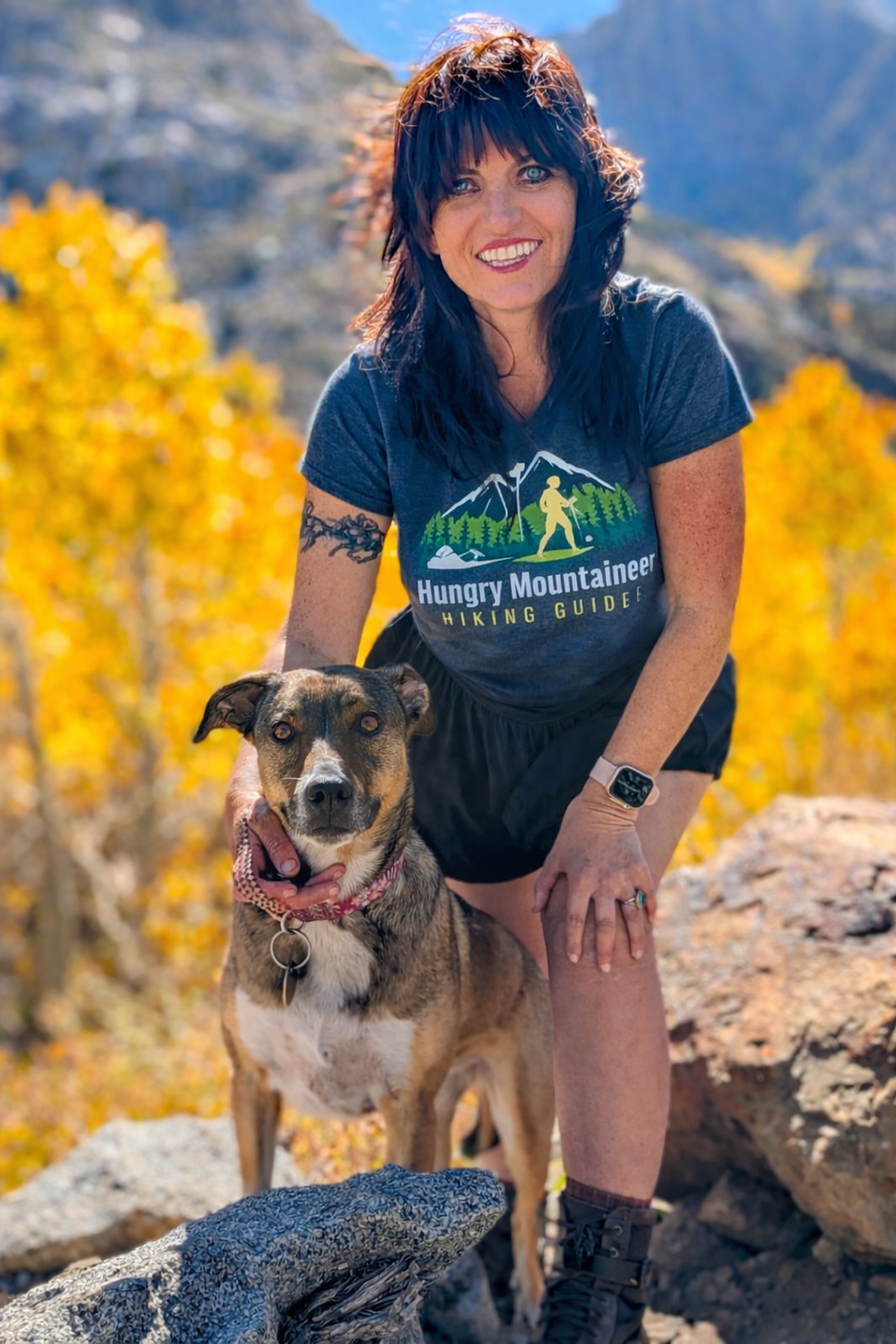 stainability isn’t a buzzword for me; it’s a lifestyle. I buy duck eggs from local farmers. I grow organic vegetables in my front yard. I hike this mountain wilderness daily. And when it comes to clothing, I buy secondhand, gently thrifted fashion almost exclusively.
My carbon footprint matters to me. I live in a ski town. I depend on Mother Earth for snow, trails, and seasons that actually behave like seasons. I love her like a member of my own deeply dysfunctional family. We don’t always get along—especially when she forgets to deliver winter until mid-February—but unlike my “artist” brother, Mother Earth has never clogged my toilet on Mother’s Day. So she’s still winning.
How Thrifting, AI, and Small-Town Drama Became My Sustainable Business Plan
Last spring, I decided to get some shirts printed to support my small business. Simple errand, right? Drop off shirts, add a logo, pick them up, done.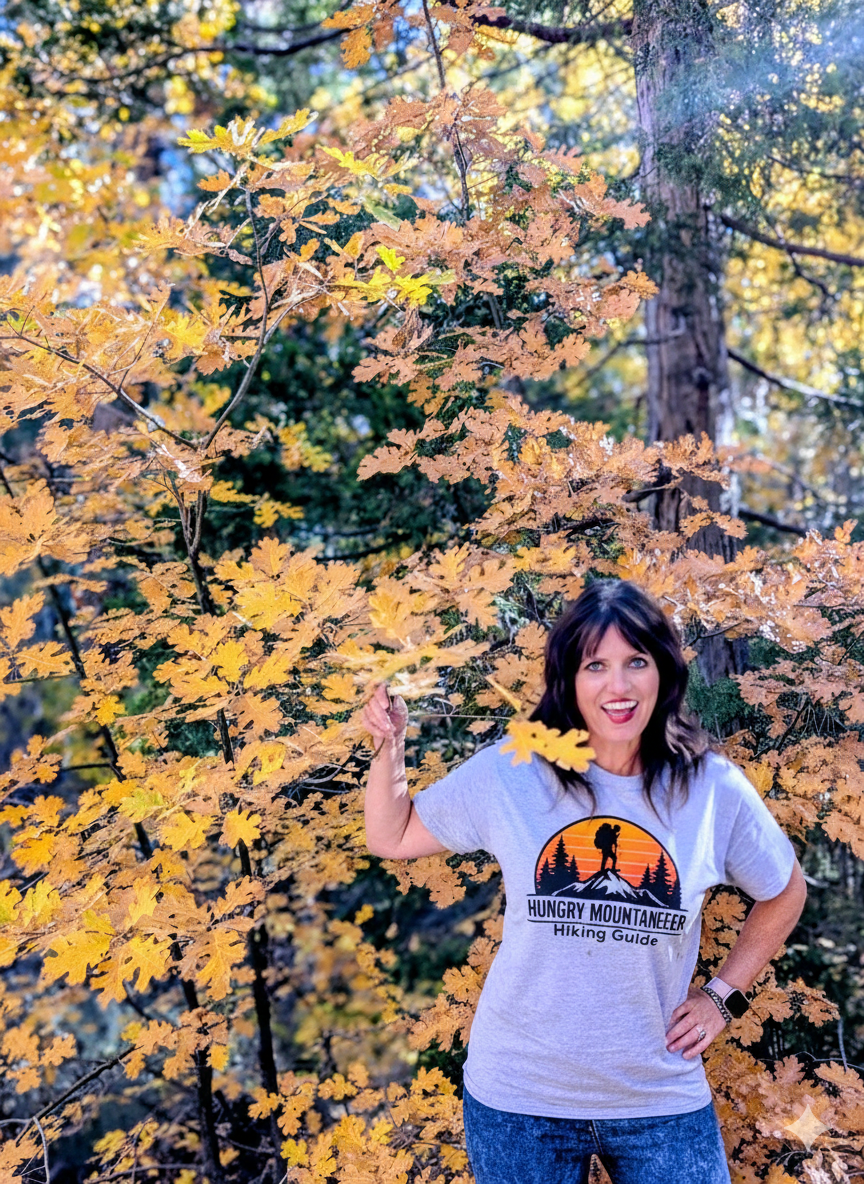
Enter small-town chaos.
I didn’t want brand-new shirts. I never buy brand-new shirts. Costco can whisper “sale” at me all day long—I’m still walking by with blinkers on, headed straight to the vats of cottage cheese, organic coconut oil and bacon, always lots of bacon. I always choose thrifted tees that already fit, already feel broken in, and help keep textiles out of landfills. As someone who cooks constantly, most of my shirts also come pre-seasoned with curry stains and beef tallow oil splatter, which frankly adds character and yes, RFK JR would approve.
If I want a $50 blouse from the mall, I’ll wait six weeks and find its twin for $6 at the thrift store instead. That’s sustainable fashion, baby.
Sustainable fashion, secondhand style, and the absurd obstacles of trying not to destroy the planet—one thrifted T-shirt at a time.
So let’s go back in time to our local Big Bear print shop last spring; I dropped off four gently worn t-shirts at the only print shop in town, chatted politely with the owner, petted the shop dogs, and went on with my life as Big Bear Lake’s premier outdoor adventure and Jeep guide. I wasn’t in a rush.
A week passed. Nothing.
I emailed. Nothing.
I called. Nothing.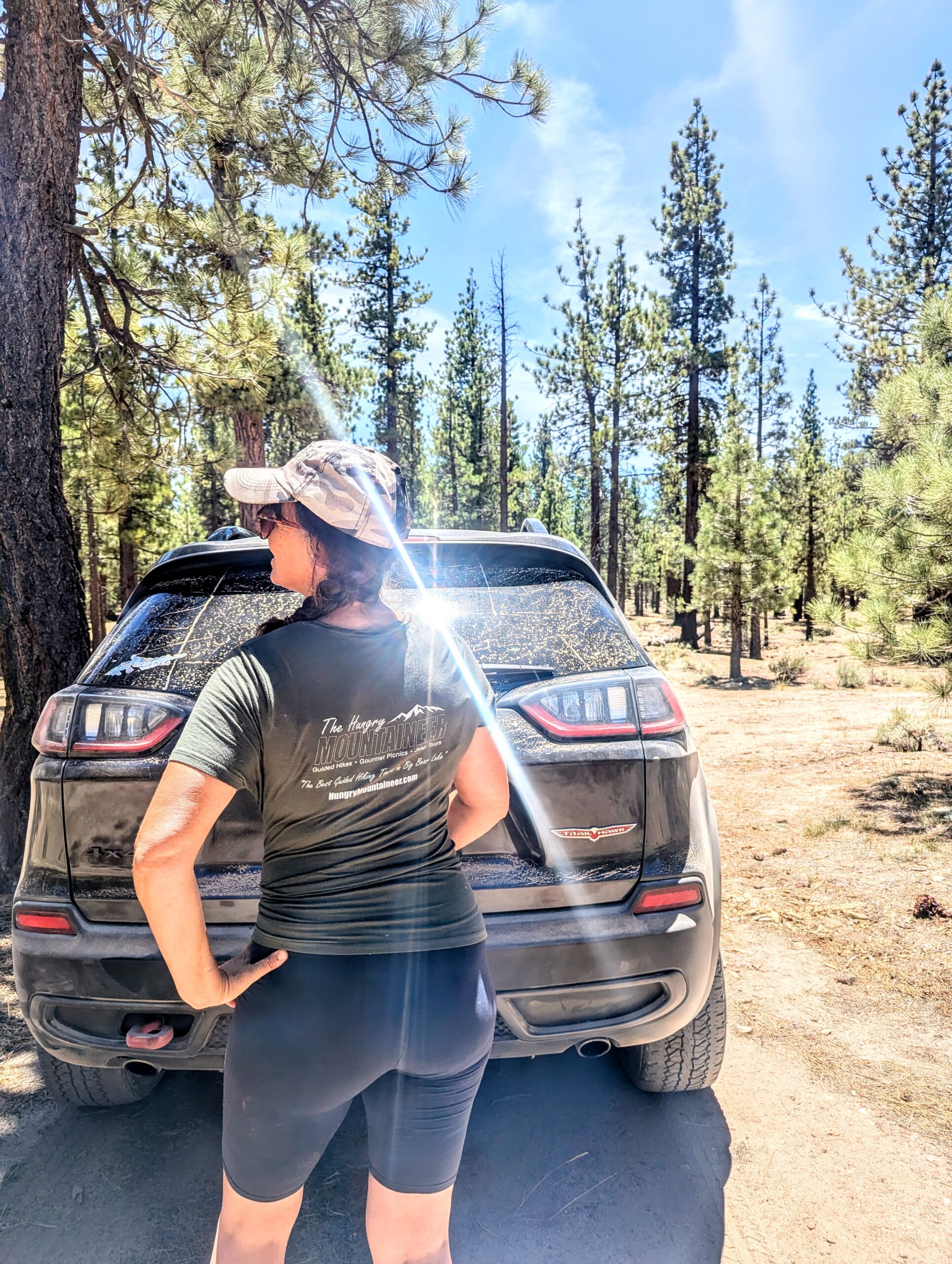
That’s when I mentioned it casually to my boyfriend’s daughter, who had worked there years ago. Her response?
“Oh yeah… that guy is certifiably nuts.”
Apparently, if you check on your order, he punishes you by moving it to the bottom of the pile and keeping your stuff indefinitely. Which is… a business model, I guess. If you are a sadistic fourteen-year-old boy with Asperger’s.
Three weeks in, I showed up ready to retrieve my property—or involve the sheriff across the boulevard. That’s when I was informed my shirts were “difficult” because they weren’t brand new. Would I like to buy new shirts from him for $50 each and then pay for printing?
Sir. No.
I asked for my shirts back. Suddenly, he wanted my business again. Promised they’d be done tomorrow. Spoiler: they were not.
Five weeks later, I finally reclaimed my shirts through the power of persistence and thinly veiled legal threats. I left wondering how anyone manages to run a business like that—and why sustainability always seems to be treated like a personal inconvenience.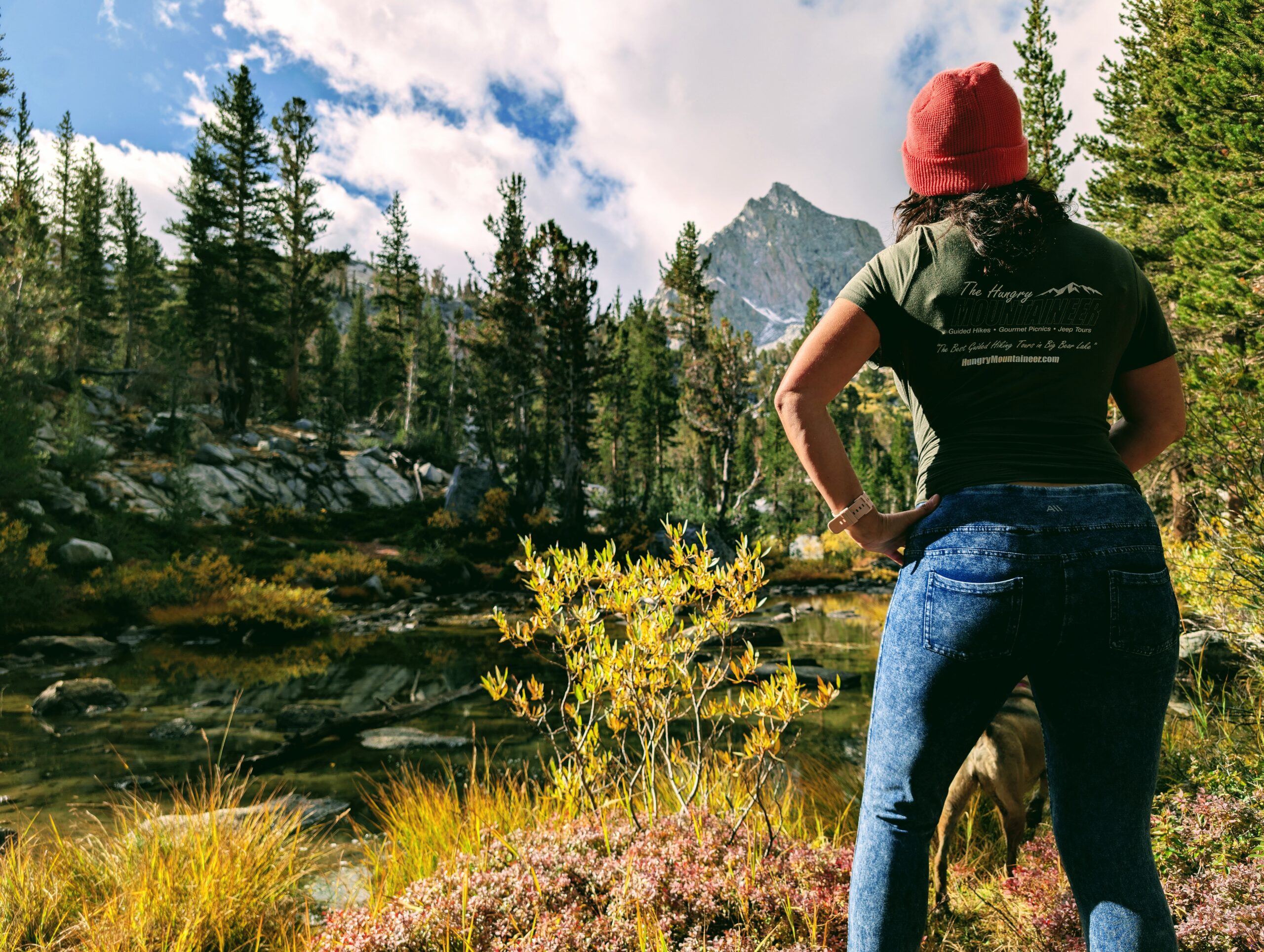
When I finally got down the mountain and called a print shop near Los Angeles, I learned the real kicker: in California, many shops won’t print on used clothing due to health regulations.
So let me get this straight—California preaches sustainability, but if you try to reuse clothing instead of buying brand-new textiles, you’re the problem? I’m pretty sure this is all Gavin Newsom’s fault, because what isn’t in this hellhole of a state?

Here’s the part that makes me absolutely feral: over 11 million tons of textile waste end up in U.S. landfills every year, much of it barely worn by vapid ninnies named Britney. Thrifting, reusing, and choosing secondhand clothing is one of the easiest ways to reduce waste and lower your environmental impact—but the system actively discourages it.
Especially here, in this far-left state run by ass backwards politicans.
So this Earth Day, while everyone is posting inspirational leaf graphics, I’ll be over here pointing out that not buying everything new at the mall actually matters. Supporting thrifted fashion, reusing clothing for small businesses, and embracing eco-friendly business practices keeps textiles out of dumpsters and helps keep our planet green.
Reduce, Reuse, Rewear… or Just Use AI
And yes—after all that? I gave up on physical merch.

Instead, I used AI for my online photos to look like I had beautiful, professionally printed shirts made. California, this is what you’ve driven me to. The moral of the story is that when you can’t get a small business to help you out and do something correctly, just have ChatGPT do it!
Bonus: AI also replaced my adorable-but-unwalkable thrifted white cowboy boots with vintage-looking shit-kickers that don’t destroy my feet. Sustainable and orthopedic. My physical therapist commends me.
Happy Earth Day. 🌎
Reduce, reuse, rewear—and if the system fights you, outsmart it.



Comments
Who would have thought using gently worn tees printed would be so difficult?! Sounds like an opportunity for a business. Hooray for Chat GPT. Thanks for linking.
Author
Yes, but not in California, I guess!
Thanks for linking. I always enjoy your stories. I have never thought about the option or problems of printing something on pre-owned clothing. Definitely something to think about. There might be a business idea for someone to figure out. #HomeMattersParty
Author
Absolutely, Just not in California, the state I live in I guess.