Let’s be real—nothing says California summer quite like dry hiking trails, overpriced iced matchas, and rattlesnakes stretched out in the sun like they’re on a Palm Springs wellness retreat.
Meanwhile, you’re out here trying to burn off that kale and sweet potato brunch qu iche, and your dog is living their absolute best life—sniffing everything, peeing on every third bush, and aggressively investigating suspicious holes like they’ve been cast in their own episode of Wild Kingdom.
Welcome to hiking with dogs in rattlesnake country—or as Google would call it, rattlesnake safety for dogs, which suddenly becomes very important the second your Labrador thinks a venomous snake is a squeaky toy.
And here’s the shocking part:
A lot of Californians who own dogs don’t even realize we have rattlesnakes.
Oh honey… we do.
Reality Check: You’re Hiking in Rattlesnake Territory

Here’s the deal—if you’re hiking anywhere in Southern California, you are in rattlesnake country. This is not a casual “nature walk with vibes.” This is a situation.
You cannot just skip down the trail like you’re REI Barbie on a brand trip.
If you want your dog to live to chase squirrels another day, you need to understand how to protect dogs from rattlesnakes while hiking—and yes, that requires more effort than clipping on a cute leash and hoping for the best.
As Big Bear Lake’s most sought-after hiking guide, I didn’t earn that title by pretending snakes don’t exist. I earned it by seeing them… ignoring them… and then immediately pretending I handled that better than I did and didn’t scream like a little girl.
So here’s the rub: Here in southern California, we live in rattlesnake country. That means you can’t just go gallivanting down a trail like you’re REI Outdoor Barbie. If you want your pup to live to chase squirrels another day, you need to hike smart. And as Big Bear Lake, California’s number one rated hiking guide, I’m here to tell you how! I didn’t get to be a Scenic Route Specialist without ignoring a few slithering snakes in my day.
Rattlesnake 101: Know Your Enemy
Let’s talk about Southern California’s finest danger noodles: Western Diamondbacks, Sidewinders, Speckled Rattlesnakes, Red Diamonds—you know, the whole spicy cast of characters. Beautiful in photos. Less charming when your dog thinks it’s playtime.
The good news? They’re actually pretty polite. They rattle as a warning—like, “Hey bestie, don’t make this weird.”
Unlike the mean-girl vipers of the South (we’re looking at you, beautiful green Tennessee, home of four times as many venomous snakes), our rattlers don’t want drama, Sally. They just want to be left alone to work on their tan.
First, let’s talk about Southern California’s finest slitherers—the Western Diamondback, Sidewinder, Timber Rattlesnake, Speckled Rattlesnake, and Red Diamond Rattlesnake. Beautiful in photos. Terrifying when your Labrador thinks it’s a squeaky toy.
You Love Your Dog and Hate Vet Bills
Let’s start with a little reality check: About 150,000 pets in the U.S. are  bitten by venomous snakes each year. In California? Summer is peak bite season. If your dog gets bit, you’ll be grateful you:
Carried liquid Benadryl. Dosing varies by weight, so check with your vet before you find yourself Googling “how many milligrams will turn my pug into an antihistamine zombie?”
Remove your dog’s collar immediately. Swelling happens fast, and you do not want to cut off circulation while racing down the trail like an episode of ER: Vet Edition.
Have pet insurance. Antivenom treatments can cost anywhere from $1,000 to $5,000. Without coverage? Better hope your side hustle is OnlyFans lucrative. We use Pet’s Best Insurance, and yes—they cover rattlesnake bites. Check yours.
Rattlesnake Aversion Training: For Dogs With Zero Survival Instincts

If your dog has the prey drive of a caffeinated toddler (Hi, herding breeds!), rattlesnake aversion training might save their life. It teaches dogs to avoid snakes by scent, sound, and sight—typically using a real (but muzzled and de-venomed) rattlesnake. Yes, it’s a little dramatic. Yes, it works.
Is it worth the $100 per session? Absolutely. Especially if your golden retriever thinks “danger noodle” means “play buddy.”
The Rattlesnake Vaccine: Miracle or Meh?
The rattlesnake vaccine is a hot debate topic in crunchy dog mom circles. Some vets swear it reduces the severity of venom reactions. Others say it gives dog parents a false sense of security. Here’s the deal:
It doesn’t make your dog immune.
It might buy you a little extra time to get to a vet.
It’s not a replacement for antivenom.
Consult your vet—and if they roll their eyes and mutter something about Google University grads, maybe get a second opinion.
How to Hike Smart (And Not Get Bit or Bankrupted)
Short leash, always. This is not the time to let your dog “run free like nature intended.” Nature also includes bitey predators and slithering creatures.
Eyes on the trail. No podcasts, no phone calls to your dad. This isn’t your multitasking moment. This is survival.
Avoid peak snake hours. Snakes love heat. You? You love your dog. So hike on cool, overcast days or after a rain. Bonus: fewer crowds, better Insta pics. Snowy days? The best times to hike with your pup. Snow days mean that rattlesnakes are hibernating underground. Drive to Big Bear Lake from December through March and book an off-leash friendly Snow Play experience for your pup through The Hungry Mountaineer Hiking Guide, the number one recommended doggo-friendly experience according to Bring Fido, Big Bear Lake.
Stick to clear trails. No bushwhacking, no off-path squirrel chases. That’s where snakes lie in wait like tiny slithering land mines.
Winter hiking FTW. Snakes hibernate when it’s cold. Big Bear Lake in the winter is your dog’s snowy paradise—and a rattlesnake-free zone. Winter months are the perfect time for hiking with dogs in rattlesnake country.
Bring Fido, But do it safely
Look, no one wants to be the overly cautious person in a hiking group—but also, no one wants a $4,500 vet bill and a scarred-up schnauzer. You can enjoy the great outdoors with your pup, yes, you can go hiking with dogs even in rattlesnake country. You just need a little prep, a lot of awareness, and zero TikTok distractions. And a great pair of Doggo Googles to protect your pup’s eyes from all those damaging rays.
And to all my California dog moms hauling $300 Stanley cups up crowded trails:
Stay hydrated, yes.
Stay aesthetic, sure.
But when it comes to snakes?
Let’s leave the wildlife interactions to Indiana Jones.
🐍 Hiking with Dogs in Rattlesnake Country FAQ
Are there rattlesnakes in Southern California hiking areas?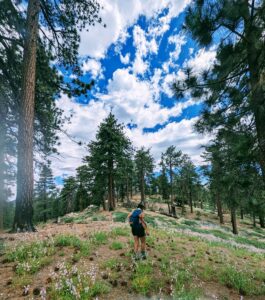

Yes—if you are hiking anywhere in Southern California, you are in rattlesnake territory. This includes popular trails in Big Bear Lake, desert areas, and foothill regions.
How do I protect my dog from rattlesnakes while hiking?
To protect your dog:
- Keep your dog on a short leash
- Stay on clear, open trails
- Avoid letting your dog explore bushes or holes
- Stay alert and watch the trail ahead
Prevention and awareness are the best ways to avoid snake encounters.
What should I do if my dog gets bitten by a rattlesnake?
If your dog is bitten:
- Stay calm and move your dog away from the snake
- Remove their collar immediately to prevent swelling issues
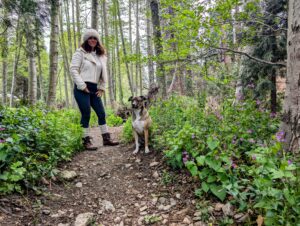
- Carry your dog if possible to limit movement
- Get to a veterinarian immediately
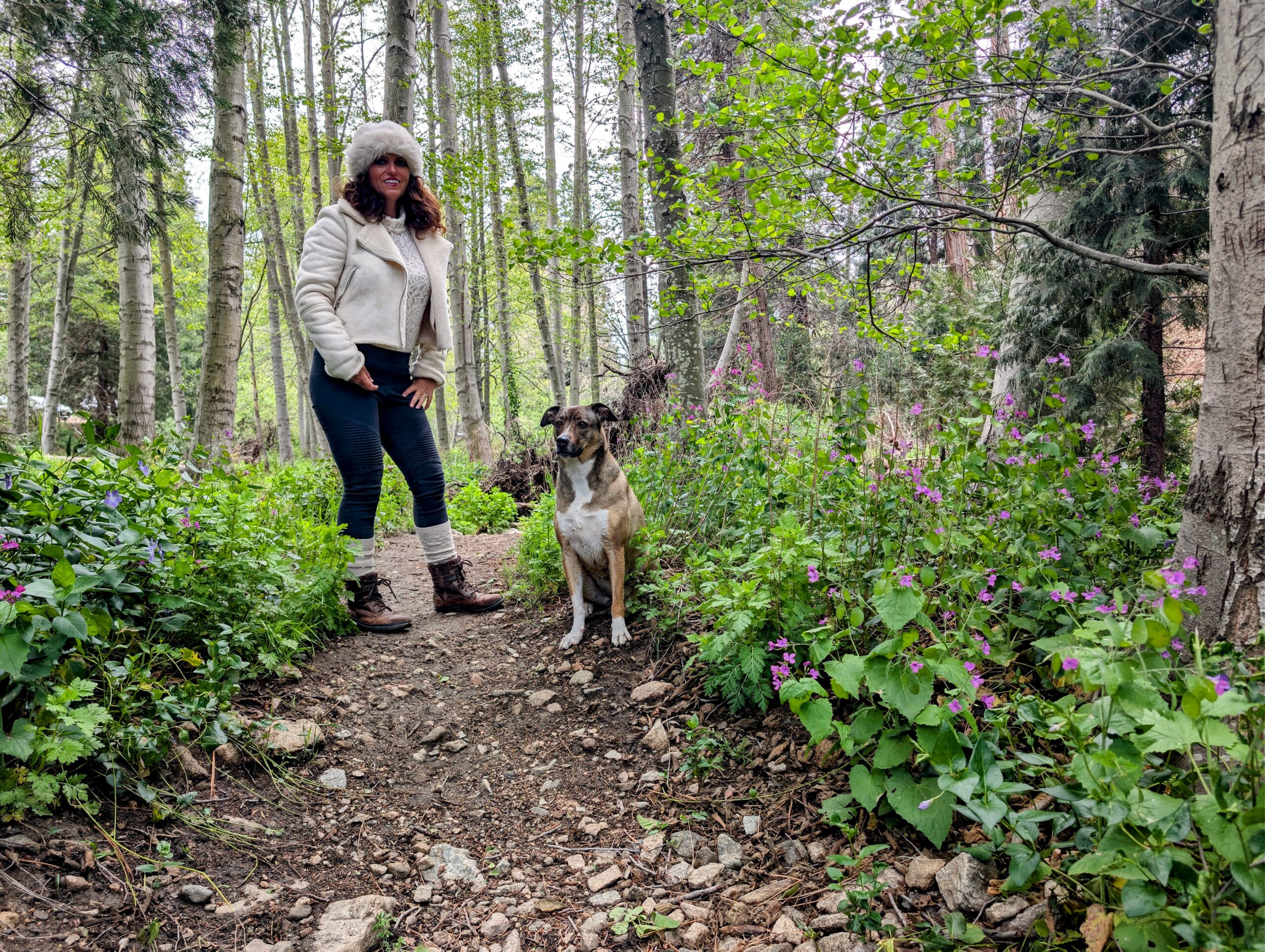
Snake bites are an emergency and require fast treatment.
Should I carry Benadryl for my dog while hiking?
Many hikers carry liquid Benadryl as part of a pet first-aid kit, but dosing depends on your dog’s weight. Always consult your veterinarian before using it so you’re prepared in an emergency.
How common are rattlesnake bites in dogs?
Approximately 150,000 pets are bitten by venomous snakes each year in the U.S., with summer being peak season in California.
Is rattlesnake aversion training worth it for dogs?
Yes—rattlesnake aversion training can be very effective, especially for dogs with high prey drive. It teaches dogs to avoid snakes using scent, sound, and visual cues.
Does the rattlesnake vaccine work for dogs?
The rattlesnake vaccine does not make dogs immune, but it may reduce the severity of a bite and buy time to reach a veterinarian. It should not replace emergency treatment or antivenom.
When are rattlesnakes most active in California?
Rattlesnakes are most active during:
- Warm and hot weather
- Late spring through early fall
- Midday and afternoon heat
They are less active during cooler mornings and after rain.
What is the safest time to hike with dogs in rattlesnake country?
The safest times include:
- Cool mornings or overcast days
- After rain
- Winter months, when snakes are hibernating
Winter hiking in places like Big Bear Lake is one of the safest options.
Can I hike with my dog off-leash in rattlesnake areas?
It is strongly recommended to keep your dog on leash in rattlesnake territory. Off-leash dogs are much more likely to encounter and engage with snakes.
Where do rattlesnakes usually hide on hiking trails?
Rattlesnakes are commonly found:
- Along trail edges
- In bushes or tall grass
- Near rocks and shaded areas
- In holes or under debris
Always watch where you and your dog step.
Are some dog breeds more at risk of rattlesnake bites?
Yes—dogs with strong prey drive (like herding or hunting breeds) are more likely to approach snakes and are at higher risk.
Is hiking with dogs in Big Bear Lake safe from rattlesnakes?
During summer and warmer months, rattlesnakes can be present. However, in winter (December–March), snakes are hibernating, making it one of the safest times to hike with dogs in the area.
What are the costs of treating a rattlesnake bite in dogs?
Treatment can cost anywhere from $1,000 to $5,000 or more, depending on severity and required antivenom.
Can dogs swim or play safely in rattlesnake areas?
Yes, but always supervise your dog closely and keep them away from shoreline brush, rocks, or areas where snakes may be resting.