
Leave the rosé at home, lace up those dusty trail runners (preferably not the neon ones from 2012), and prepare to traipse through the Inyo Wilderness for four soul-cleansing days of pure, unfiltered nature. That means sweating until you cry, sleeping on a rock that’s pretending to be a sleeping pad, and wondering why you thought pooping in a Ziploc bag would feel “empowering.”
Welcome to the glamorous life of how to backpack for beginners—and by glamorous, I mean you will smell like a compost bin married a gym sock by Day 2. But hey, you are building lifelong memories!
So who decided that sleeping on the hard ground would be fun, anyways? Apparently… everyone. Beginner backpackers hit the trails in record numbers in 2024. Blame TikTok. Or REI’s spring sale. Either way, trailheads have become crowded with optimistic first-timers who watched one too many van-life montages and now think hiking 10 miles uphill with a 35-pound pack is a “cute idea.”
Spoiler: it’s not. Okay, don’t get me wrong, backpacking through the pristine wilderness of the John Muir Trail can be a transcendent and life-changing experience. Or you can have all your food ravaged by bears the first night on the trail. When it comes to how to backpack for beginners, you can choose your own adventure; You can have a wonderful first trip backpacking into nature or you can limp back to your car three days later, wondering why on earth you thought lugging an air mattress into the wilderness may have been a good idea.
How to Backpack Without Crying (Much)

We all do dumb things when we are young. Like packing a blowup air mattress for a ten-mile backpacking trip. This is a true story. When it comes to how to backpack for beginners, back when I was in my early 20s, boy, did I make some newbie mistakes.
I feel so blessed that I was able to backpack a few times when I was young, before my back was majorly jacked up. As I sweated and cursed my way up the Big Pines Trail this morning, thirty-five years after that first backpacking trip, I thought to myself, why would anyone, namely my childhood friend Steven, plan a beginner backpacking trip here? Especially for six friends who barely hiked, never really worked out. We were not in shape whatsoever, oh the things we do when we are in our twenties!
Back in 2004, on this very same trail, I was so out of shape that one of my male friends had to carry my pack part of the way up Big Pine Canyon! But this was not any pack! Not back in 2001. Our gear was old. Like, did we borrow it from our parents or from older siblings who tried backpacking once and then gave it up because that metal-framed pack was so damn heavy, not to mention uncomfortable. What kind of crazy, rebellious young person wants to carry a sixty-pound pack into the wilderness just to have to poo in nature for five days?
Whose bright idea was this? Just a ragt ag team of high school friends looking for a good time in the mountains of the eastern Sierra. And nobody knew that Randy had asthma before the hike began. Luckily, Eric stayed back with him and his inhaler. I may not have been in shape as we sweated and slogged up those switchbacks. At least I was not Randy! (Life goals; Never be Randy. I think that may be a hashtag at our high school reunion.)
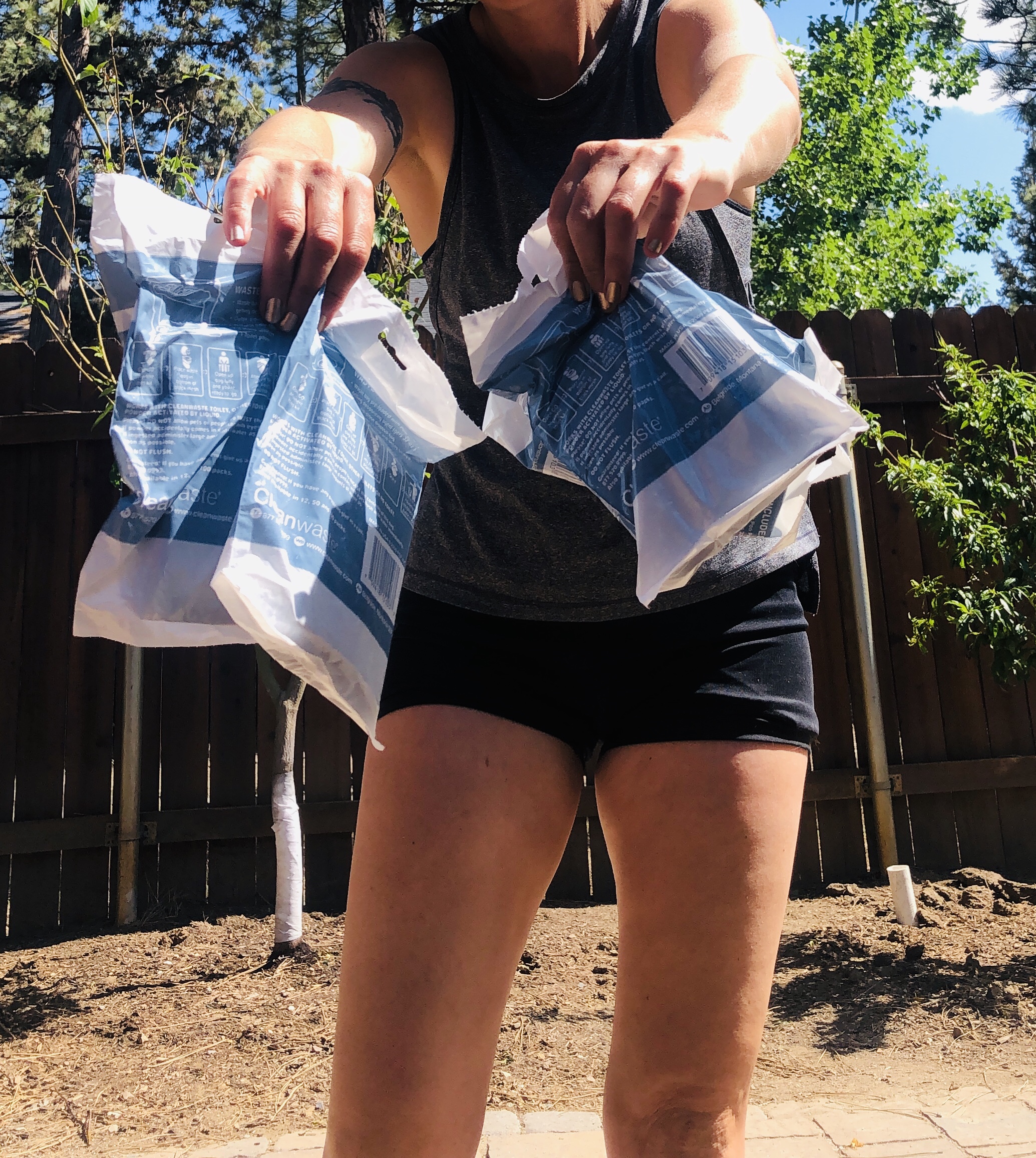
These days, backpacking is so trendy that the backpacking gear industry accounted for over 16 billion dollars in 2024. From Yosemite to Nepal, outdoor connesoirs all over the world love to carry their tents on their backs and sweat in nature away from the conveniences of home, like their Cyber trucks, a good bottle of wine, or a comfy bed. Are you ready to buy a Bear Vault Bear Cannister yet and hit the trails?
Before you start googling “How to poop in the woods,” Let me give you a few pointers. (Hint: don’t forget the ziplock bags) How to backpack for beginners starts with so much research.
The first time I went backpacking, did I do any research? Hell no! This was a time when we barely had cell phones, let alone Facebook groups at our disposal. I had never heard of AMS (Acute Altitude Sickness), and when the Mountain Shits hit me at over 10,000 feet, well, it was definitely an “Oh Shit Moment” I will never forget. I had no idea that you need to hydrate big time when trekking above 10,000 feet. I didn’t know Gingko Biloba could help with altitude sickness. I was such a hiking newbie, it’s embarrassing now to look back on. The word “Wag Bag“ was not in my hiker’s dictionary.
Your Feet Will Hurt and You’ll Smell Weird—A Guide to Backpacking
So, do you want to try out backpacking now? Let me give you a few pointers on what to do and what not to ever do! First of all, when you sit down to design your first backpacking “Vacation,” plan out an easy backpacking route, such as five miles round-trip with minimal elevation gain. Do not plan a ten-mile uphill slog, on a hot summertime afternoon, carrying fifty-pound packs. Even if you are in your early twenties! Incredibly, I turned into the outdoor person I am today when this is how it all started.
Do not pack a blowup air mattress, no matter how jacked up your back is. If you have a bad back, backpacking may not be for you! Try yoga instead. Sure, doctors say that sleeping on the hard ground can help your spinal alignment. But what if I can’t get back up?
So maybe sleeping on the hard ground can help some people who have bad backs, but really, if you have a slipped disk or sciatica pain from that bad hip, camping and sleeping on those thin blow-up sleeping pads for three nights is not going to do you any good. Oh and if you are thinking how smart we were to pack an air mattress in back in 2004, that air mattress popped on the first night; Then we had to pack the useless thing out!
Also, don’t pack a toilet seat; Just don’t be a prima donna hiker! Just squat like the rest of us.
What You Think You Need vs. What You Actually Need
What you packed:
- Two novels
- A bikini
- Four extra tank tops
- Sunscreen with a scent that a bear can smell from 5 miles away
- A toilet seat
- A blow-up air mattress
- A Costco-sized bug spray with DEET that could strip paint off a Buick

Seriously, pack sunglasses

What you should have packed:
- One outfit (that you’ll wear for four days straight)
- Sunglasses
- Natural bug spray (which smells like lemongrass and failure)
- A lightweight camp stove
- IBPRofen 800 ML
DEET will protect you, yes, but also slowly dissolve your skin like a chemical romance. Natural sprays? They smell like a spa day and do exactly nothing. You’ll still get eaten alive, but at least you’ll look eco-conscious doing it. And leave the Rio De Janeiro, oh-it-smells-so-good-heres-$50-Sephora sunscreen at home. That takes up precious space in your bear cannister. Yes, you may smell fragrant like almonds, salted caramel and vanilla but bears can smell fragrance from the mall from miles away. Do you want a bear sidling up to you just because you had to smell like a city girl? By day two, everyone in your group will smell the same anyway, like dirty, smelly hippies from Portland.
How to backpack for beginners; When to forage for dinner
Repeat after me: do not eat random berries just because they’re “pretty.” Yes, the Sierra has elderberries  and currants, but unless you’ve studied botany, or you’re Snow White, you probably can’t tell the difference between a snack and a natural laxative. This is how people end up Googling “are explosive digestive episodes normal at altitude” from their Garmin InReach. Want to know what you can and can’t eat in nature? Hire a professional Snack Sherpa like me!
If you’re planning to fish, you’d better know the rules. In California, you’ve got to use barbless hooks for those golden trout. Why? Because they’re basically national treasures with gills. You hiked 12 miles with 3,000 feet of gain—do you really think you’re going to carry out a full fish filet and still have functioning knees?
Also, pro tip: most of these fish are all bones and childhood disappointment. Let them go. Catch and release, baby. They deserve to live their tiny, shimmering lives in Lake Number One out of Big Pine, just vibing in the icy cold, glacial waters while you go eat your dried chorizo and crackers and reflect on how good a beer would be right about now.
Backpacker Rule #1: Pack Out Your Poo
 Yes, we’re going there. Because apparently, some of y’all missed the memo. Listen, if you’ve been in the backcountry for four days and don’t smell like a compostable landfill, we know what you didn’t do. Stop being that guy. Pack out your poo. It’s not glamorous. It’s not Instagrammable. But it’s what separates you from the guy getting banned from every national park on the West Coast.
Fitness? You Might Wanna Try That First
You know what’s not fun? Going from couch to trail without even doing a light jog first. If your idea of cardio is yelling at Alexa to skip songs, then you might want to start training before attempting a 10-mile hike with 2,000 feet of elevation and 30 pounds of cheese in your backpack. Trust me, I have been there!
Backpacking Gear: Not All Relics Belong on the Trail
My first trip into the High Sierra was like an episode of Survivor: Hot Mess Edition. I carried a 90s hand-me-down backpack with metal rods that jabbed me like a hiking exorcism. My sleeping pad had all the cushioning of a Trapper Keeper. My sleeping bag? Oh, just your average 6-pound cocoon of regret.
Nowadays, you’ve got options. REI, Garage Grown Gear, or that one friend with an REI Co-Op addiction and a spreadsheet titled “Loaner Gear.” Borrow if you can—this stuff costs more than your first car.
Solar Power & Trail Snacks That Don’t Suck
Okay, yes, we’re trying to go lightweight, but I always carry a solar battery pack. Why? Because I’m going to take photos. I’m going to blog about my suffering. And I refuse to go off-grid without at least one bar of signal to Google “symptoms of mild altitude, giardia or just being dramatic.”
As for food? Please stop buying 2004-style mystery chili packets from Camping World. You deserve better. This is not 2004; when it comes to gourmet hiking food, you have choices.
Here’s what I actually pack:
- Roasted Brazil nuts
- Salt & vinegar pumpkin seeds
- Boar’s Head chorizo
- Hard cheese & hard-boiled eggs
- Canned tuna with fixins for Baja-Style Tuna Salad

- Powdered miso soup (aka salty joy)
- Homemade Sourdough Blueberry Muffins
- You can easily bring some veggies like carrots, potatoes and sweet potatoes to cook with your campstove.
- Apples, lots of apples. We have two apple trees. We pack a lot of apples

Grocery Outlet, Sprouts, and even Whole Foods have options that don’t taste like drywall and won’t wreck your digestive tract. Trust me, your tent partner will thank you.
Final Thoughts from a retired backpacking champion
I don’t backpack like I used to. My back and I have come to a mutual agreement: Motorhome or bust. But I’ll never forget that first trip up into the High Sierra. Sleeping on the ground. Playing Hearts until I wanted to throw the deck into the dark wilderness night. Eating mush. Freezing my toes off.
And somehow… I fell in love with it. There were no blogs on how to backpack for beginners back in 2004. There were no Facebook groups to ask which were the easy beginner hikes. There certainly was no lightweight gear (That we college students could afford anyhow) but somehow I learned on that first trip how to backpack for beginners. And most importantly, what absolutely not to do!
Backpacking teaches you what you’re made of. (Mostly rage, protein bars, and foot blisters.) But it also connects you to something bigger than your email inbox and your favorite brunch spot. And you never forget your first mountain sunrise, no matter how bad your tent smelled.
So if you’re a beginner backpacker, welcome. You’re going to hate it. You’re going to love it. You might cry. But someday, you’ll look back and say, “I can’t believe I survived that.”
And then you’ll plan your next trip.
How to Backpack for Beginners FAQ
How should a beginner backpacker plan their first trail route?
When figuring out how to backpack for beginners, the ultimate key is to start small and manage your expectations. Instead of setting yourself up for an exhausting 10-mile uphill slog into the Inyo Wilderness on day one, plan out an easy, low-stakes introductory route. Aim for a total distance of around five miles round-trip with very minimal elevation gain. This allows you to test out your sleep systems, adjustments, and pack weight without pushing your body to a total breaking point.
Why should you avoid using heavily fragranced sunscreens or body products in the backcountry?
Leave your fancy, sweet-smelling luxury sunscreens and body lotions at home. Fragrances that smell like almonds, salted caramel, or vanilla act like an open invitation to local wildlife. Bears can smell artificial fragrances from miles away, and any scented product you bring along must fit entirely inside your hard-sided Bear Vault canister. To keep your campsite safe and avoid any unwanted midnight visitors, stick to completely unscented, basic sun protection.
Can you bring fresh foods and gourmet snacks on a beginner backpacking trip?
Absolutely! You don’t have to suffer through 2004-style freeze-dried mystery chili packets that taste like drywall. You can elevate your camp menu by packing real, nutrient-dense foods that travel exceptionally well. Consider stocking your food cache with:
- High-fat roasted Brazil nuts and salt & vinegar pumpkin seeds.
- Shelf-stable proteins like Boar’s Head chorizo, canned tuna, and hard cheeses.
- Hearty fresh items like whole apples, or sturdy vegetables (carrots, potatoes, and sweet potatoes) to slice up and cook over your camp stove.
- Treats that hold up on the trail, like homemade sourdough blueberry muffins or a soothing packet of powdered miso soup.
What are the rules regarding catching and cooking wild trout along Sierra wilderness trails?
If you plan to supplement your dinner by fishing in alpine lakes, you must know the local regulations. In states like California, you are strictly required to use barbless hooks when fishing for native golden trout to protect their wild populations. Furthermore, keep in mind that high-altitude trout are often small, full of tiny bones, and offer very little meat for the physical effort required. Utilizing catch-and-release practices is usually the best approach while relying on your packed trail snacks for actual sustenance.
How do you manage human waste properly while backpacking in pristine wilderness areas?
It might not be glamorous or fit for an Instagram montage, but practicing proper sanitation is the number one rule of the backcountry. In high-alpine environments, fragile wilderness zones, or rocky terrains above the tree line, you cannot simply bury your waste. Backpackers must strictly adhere to Leave No Trace principles by packing out all human waste using puncture-resistant, heavy-duty Wag Bags and sealable Ziploc bags to protect the natural watershed and keep the wilderness pristine.
Comments
“A Costco-sized bug spray with DEET that could strip paint off a Buick” …. Iol 🙂
Author
Truly, sometimes the mosquitos I have encountered over the years are that bad!