On a hot summer evening in Big Bear Lake, I was in no mood to cook dinner and make our cabin even warmer than it already was. It was Father’s Day 2025. I love my boyfriend very much, but not enough to turn our oven on in June. My boyfriend may really miss the spicy flavors of his home country, but summertime is just a hard time of year to turn the oven on where we live, even if we both are craving Indo-Chinese recipes. So we decided to go out to eat in our small mountain town and we had nothing if not adventures!
Do you want to create Indo-Chinese recipes in your home kitchen, wherever in the world you may call home? Not to fear, Indo-Chinese food is here! Yes, even in our tiny little mountain town, 9,000 miles from Bangalore! Indo-Chinese recipes are easier than you may think. Yes, you can even make a keto version, like we did eventually in our home kitchen!
We really don’t go out to eat very often, here in our rural mountain town. My boyfriend and I just love to cook at home. Honestly, our backyard is so zen, why would we want to fight the tourism summertime crowds and traffic just for a hot meal out that somebody else cooked? After tonight’s just awful, terrible meal out at Masala Craft in Big Bear Lake, I don’t think we will be craving takeout again anytime soon! We came in hot, ready to be wowed by some hard-to-find Indo-Chinese recipes in our cozy little mountain town. Instead, we got a culinary crime scene—and the weapon was ketchup.
One Star for Effort, Five Stars for Ketchup
Seriously, I don’t know who’s in the kitchen, but it felt like someone googled “Indo-Chinese recipes” and stopped reading after the word “sauce.” The Chow Mein? Imagine noodles tossed in ketchup. Oh, wait, you don’t have to imagine—they brought us a side of extra ketchup in case we hadn’t had enough. Thoughtful.
The Gobi Manchurian was missing every defining feature of the dish. No crispy coating, no depth of flavor—just steamed cauliflower doing the backstroke in, you guessed it, more ketchup.
The Chili Chicken was the least terrible of the bunch, which is kind of like being the least annoying mosquito at a campsite. Technically, it was edible, but that’s where the praise ends.
Can we talk about the sign outside? Giant banner screaming “INDO-CHINESE!” like it’s a big draw. It’s a bait-and-switch, folks. That’s like hanging a sign that says “Sushi” and serving hot dogs with soy sauce. (Or more ketchup)
Oddly enough, the Chicken Madras was actually delicious—so someone can cook back there, just not whoever was on “ketchup fusion” duty.

As for service, our waiter acted like we personally offended him by daring to enter the restaurant. The place was practically empty on a Monday night, but the vibe we got was, “Why the hell are you here?” Believe me, by the end, we were asking ourselves the same thing. Masala Craft or Masala Crap?
We’re locals. We love supporting small businesses. But this one? This was a cry for help disguised as an Indo-Chinese Ketchup-fueled disaster.
So obviously, after the bill came and I was in the backseat of my Jeep, mulling over the fact that my crisp and cold glass of Sauvignon Blanc was by far the best part of my dinner, I thought to myself, I’ve got to try making Indo-Chinese noodles at home. I mean, I already own a Costco-sized bottle of ketchup—how hard could it be?
Sure, the name alone might be “cultural appropriation” in 2025’s hypersensitive universe. But let’s be honest: fusion food has been around forever, and nobody cried when Wolfgang Puck stuck duck on a pizza. (Except maybe some patchouli smelling hippie named Willow)
Still, I was reminded of my favorite food blogger who recently got yeeted off social media for the crime of—brace yourself—making a Korean taco. That’s right. A taco. With kimchi. Apparently, that was enough to brand her a cultural-crimes warlord. She is officially a Bad Hombre now. Welcome to the club.
Here in my home kitchen at 7,000 feet in the mountains of southern California, I’m that rebel in the kitchen tossing Gochujang, Indian-style “ketchup masala,” and soy sauce together like it’s some kind of edible United Nations summit.
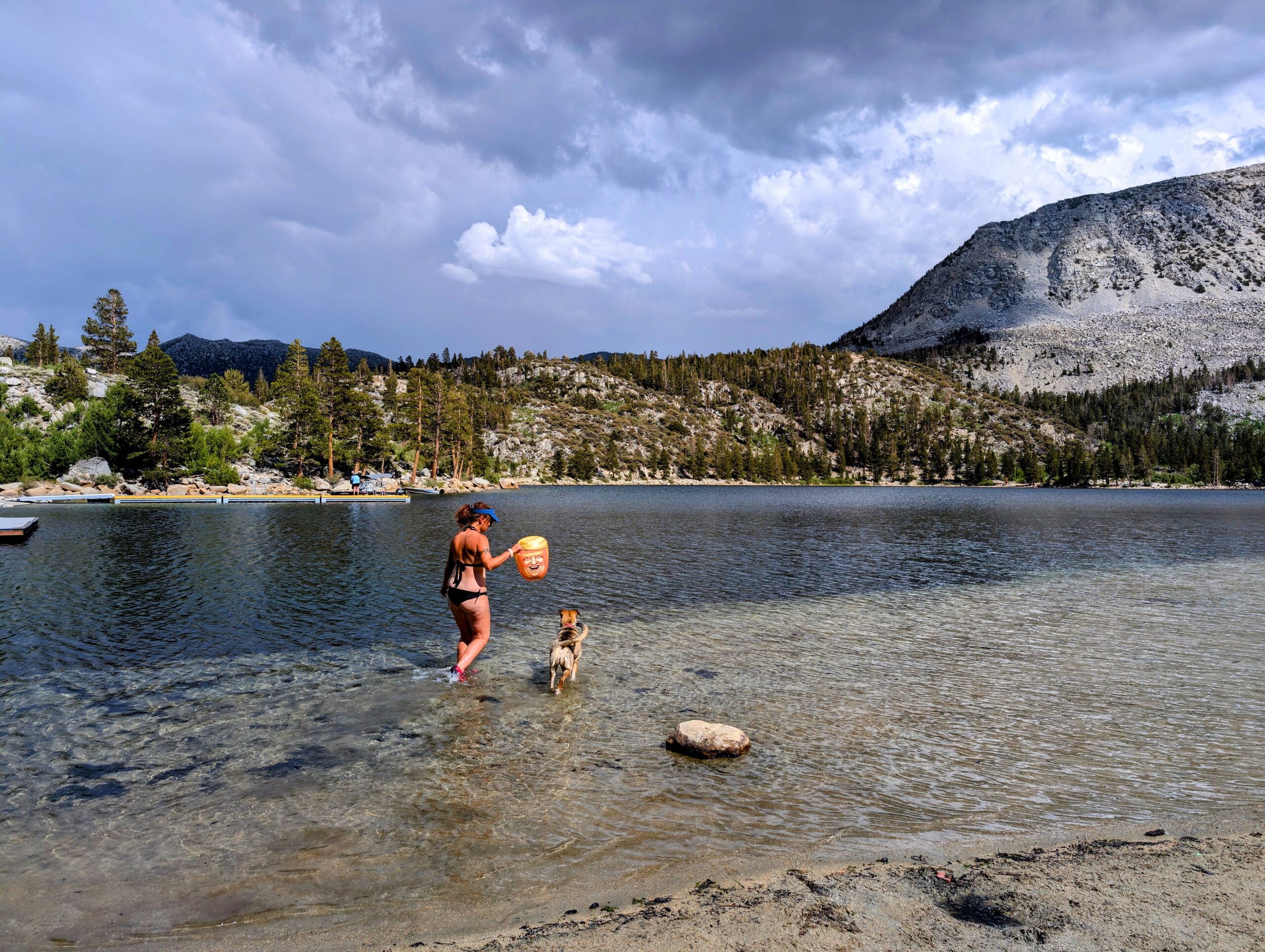
Bring it on, liberal crybabies. Back in my day, we called this fusion. Now it’s “problematic.” Frankly, I can’t keep track of what I’m supposedly not allowed to say anymore. I probably insult strangers daily just by opening my mouth. One thing’s certain though—I definitely shouldn’t have made Donald Trump my bitch this morning. (See photo: inflatable Trump pool toy. Yes, the ego is as overinflated as the floatie.)

Wok This Way: Keto Hakka Noodles Without the Carb-age
This spicy Indo-Chinese recipe originated in Kolkata, formerly Calcutta, in West Bengal, closer to Bangladesh than Bangalore. Though the citizens of Bangalore take all the credit for developing all the flavors found in Indo-Chinese dining. I’m going to tell you right now how to make the easiest, spiciest Hakka noodles this side of Bangalore.
This recipe is so easy. It’s hard to mess it up, unless you are a popular restaurant here in Big Bear Lake, California. This is a great, easy dinner with some grilled shrimp or chicken.
Keto Hakka Indo-Chinese Noodles
One white onion, sliced ultra-thin
1/2 cup napa cabbage, sliced very thin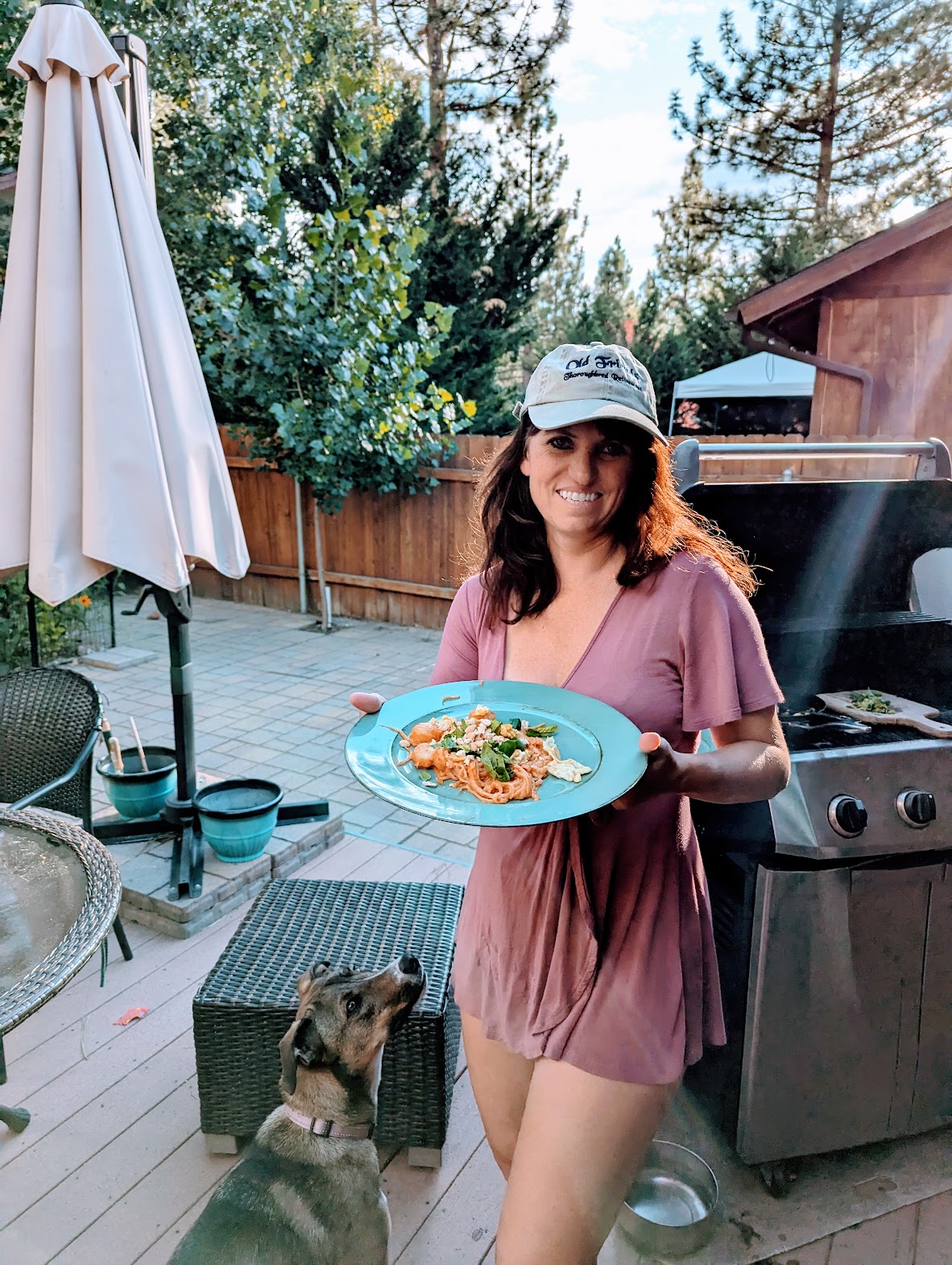
One carrot, sliced thin
2 scallions, chopped
1 orange bell pepper, sliced thin
2 teaspoons sesame oil or chili oil
3 Chinese red chilis
1 package Konjac noodles
1 and 1/2 teaspoons ketchup (But not a bottle of it)
1 1/2 teaspoons soy sauce
1 teaspoon Indian red chili sauce
1 teaspoon rice vinegar
1 large clove of garlic, grated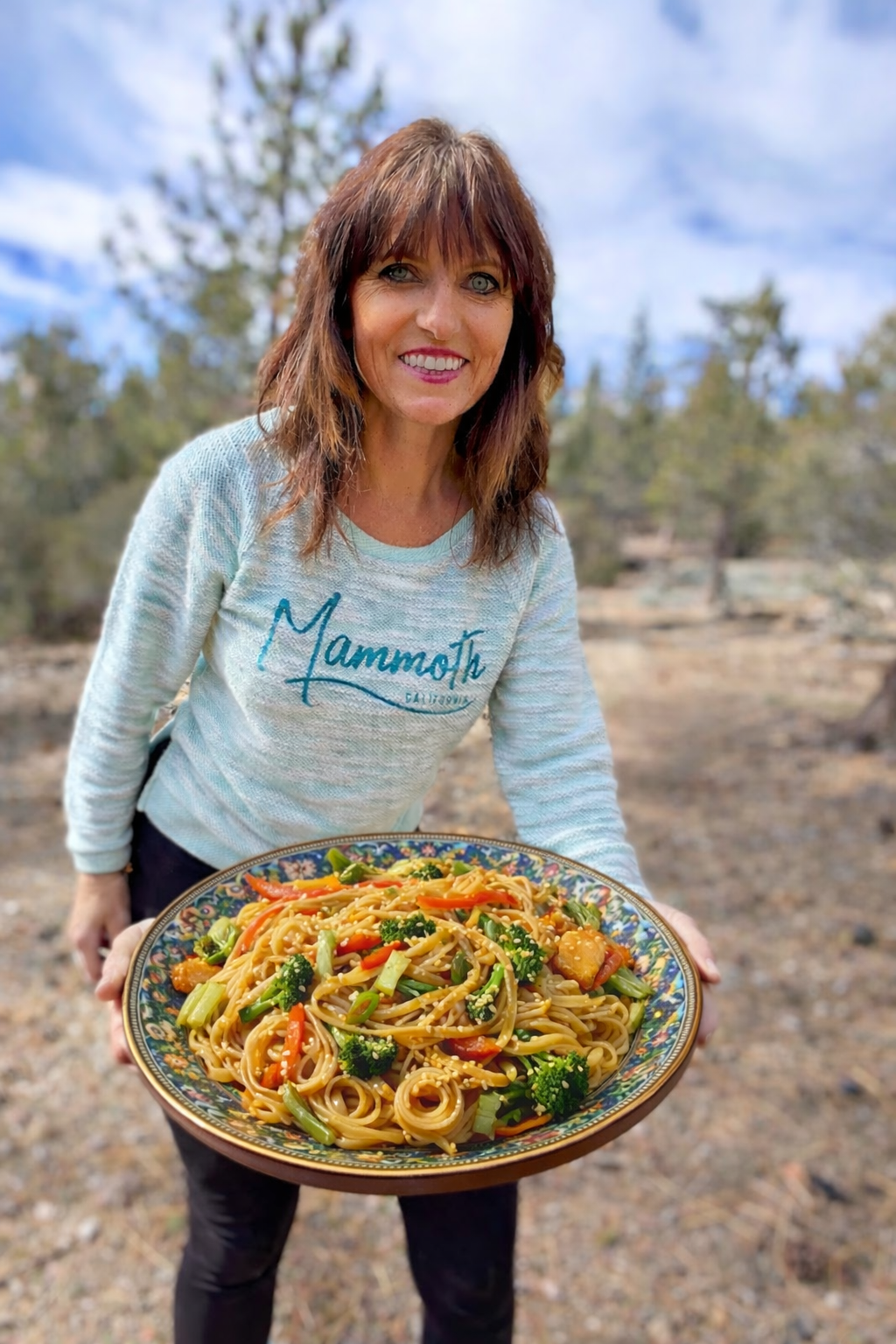
1 thumb-sized chunk of ginger, grated
Fry the chilis and the white onion in the oil in a wok on high heat. Add the garlic, ginger and cabbage. Mix in the carrots and bell peppers on high heat. Mix all your sauce ingredients together. Toss your veggies in this sauce. Mix in the noodles just until cooked. Sprinkle green onions on top when you are ready to serve. Do not be tempted to add another 1/2 cup of Ketchup, that is just a mountain town fad!
Serve this great, easy keto dish with the protein of your choice.