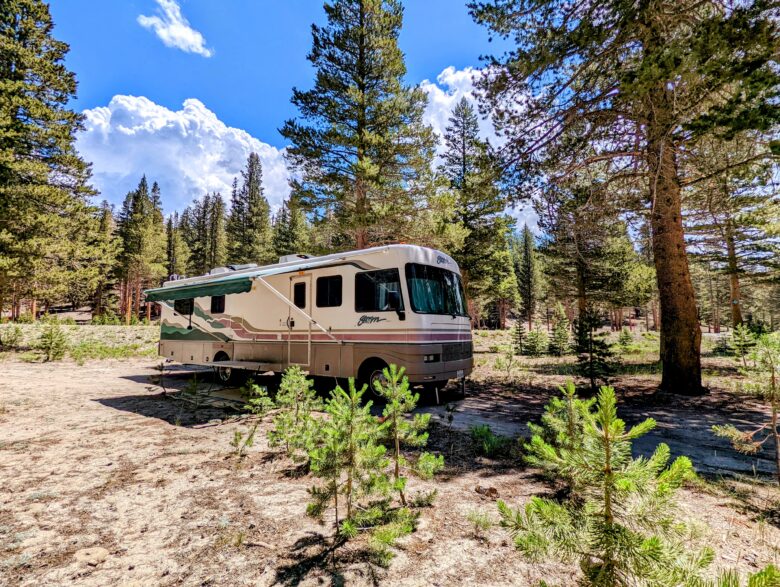
I clearly remember when we were newbie RVers, less than ten years ago. We 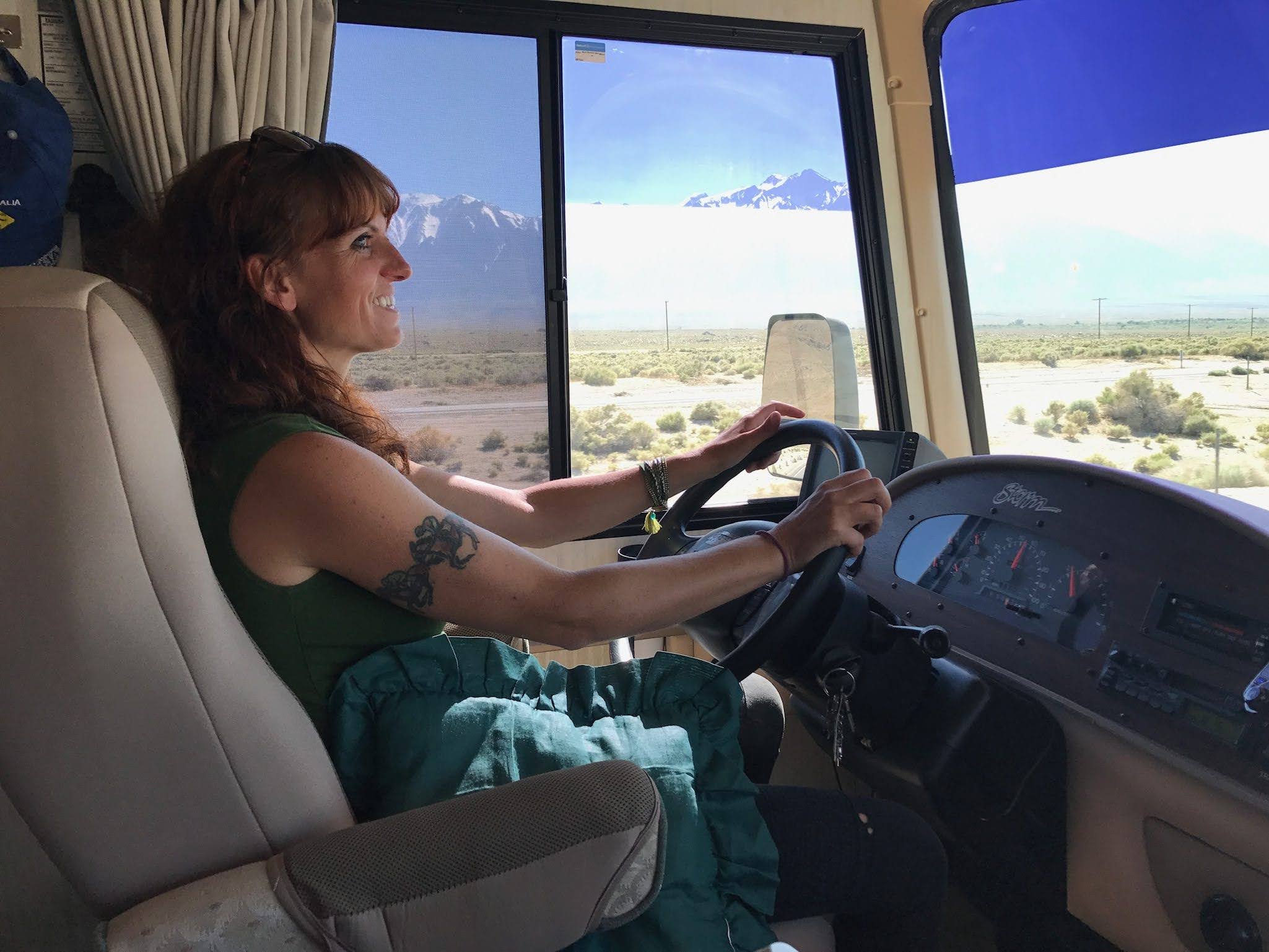 bought a twenty-year-old coach, filled our heads with dreams of traveling this great country of ours, and thought, how hard could it be? Load up the motorhome, watch a few YouTube videos when something breaks, pack the pets, pack the wine, pack the cute thrift-store mugs, and roll down the open highways of America like some wholesome campground sitcom. We watched the Robin Williams film RV many times as a family and had so many laughs. We had no idea how true to life that movie would become. I had no clue how many motorhome camping essentials would eventually be in my future, and my Amazon shopping cart, or how many of them would involve plumbing, wiring, towing safety and me saying, “Why is this leaking?” before eight in the morning.
RV Life Before Amazon: Basically the Oregon Trail with Sewer Hoses
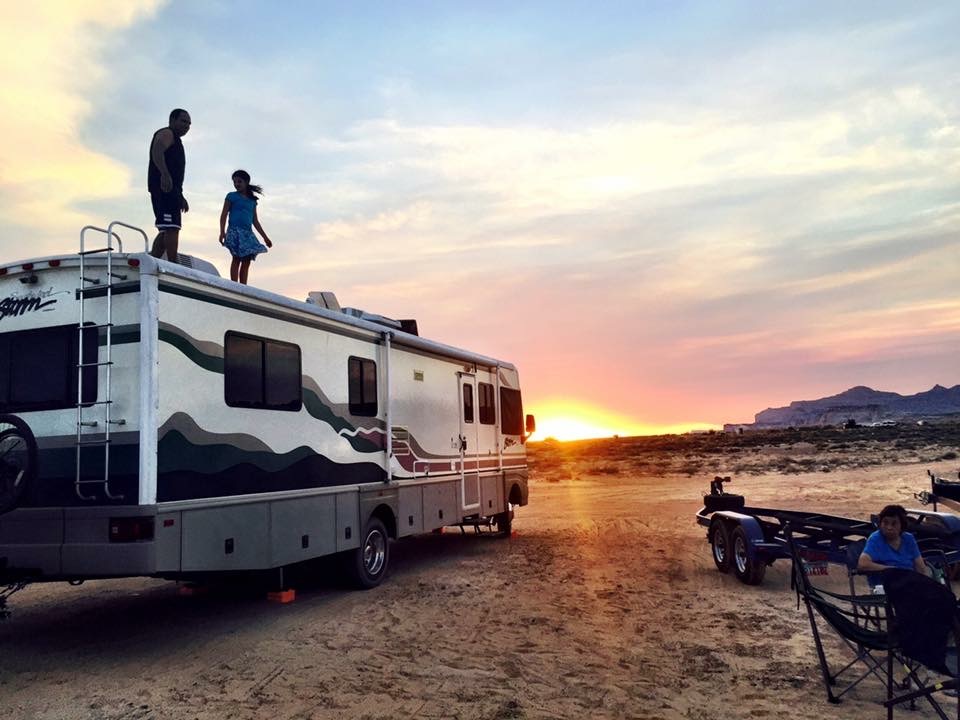
When it comes to those first motorhome adventures, there is a lot to pack, a lot to learn and a lot of things you really do not want to leave at home. Thank God for Amazon, because RV trip planning is so much easier in 2026 than it used to be. Gone are the days when buying RV camping gear meant driving over an hour to your nearest Camping World or wandering around Walmart praying they carried the exact sewer hose fitting, grill part or random little RV gadget you suddenly needed. Fifteen years ago, the motorhome lifestyle was not this simple.
Our motorhome rolled off the Fleetwood lot back in 1999. She is not young. I can only imagine how much harder motorhome travel must have been back then. Thomas Guides. No Amazon. No Google Maps. No “Hey ChatGPT, where is the next dhaba?” If you broke a hitch pin outside of Lake Powell while heading toward Telluride, good luck to you. You were either driving your tow car for the rest of the trip or wasting half your vacation wandering into every small-town auto parts store you could find. Remember when you had to look up auto parts stores in the Yellow Pages? Honestly, how did any of us survive before we could panic-order RV parts in our pajamas?
Praise Be to Amazon, Patron Saint of Campground Panic Orders 
Luckily for us, here we are in 2026. Yes, Donald Trump may still be roaming around the White House, but we also have the extreme convenience of purchasing almost anything from Amazon in one to three days. This makes life exceptionally easier for motorhome travelers, especially when you are hundreds of miles from home and suddenly realize the bidet is leaking, the water pump is wheezing or the awning has decided to audition for a windstorm disaster movie. Did you know you can have Amazon packages sent to many campgrounds and most RV parks? This is very helpful when you are two hundred miles from home and wondering why, exactly, you did not pack an extra bidet. Always pack an extra bidet. That is not travel advice. That is a lifestyle boundary.
The most important thing to know about motorhome camping essentials is that you can never be too prepared. Start projects ahead of time, because everything takes longer than you think when working on a motorhome. Replacing old plumbing with PEX after a burst pipe? Longer than you think. Changing brake pads yourself? Longer than you think. Taking off 125-pound tires? That is not a cute solo project. That is a two-person job unless your hobby is being flattened in your own driveway like a sad camping pancake.
The RV Tool Kit: Cheaper Than Crying at a Campground
One RV part I would absolutely add to any motorhome essentials checklist is an extra 12-volt RV water pump. Your onboard freshwater pump is what pressurizes your faucets and shower when you are not hooked up to city water, and when it dies, suddenly your 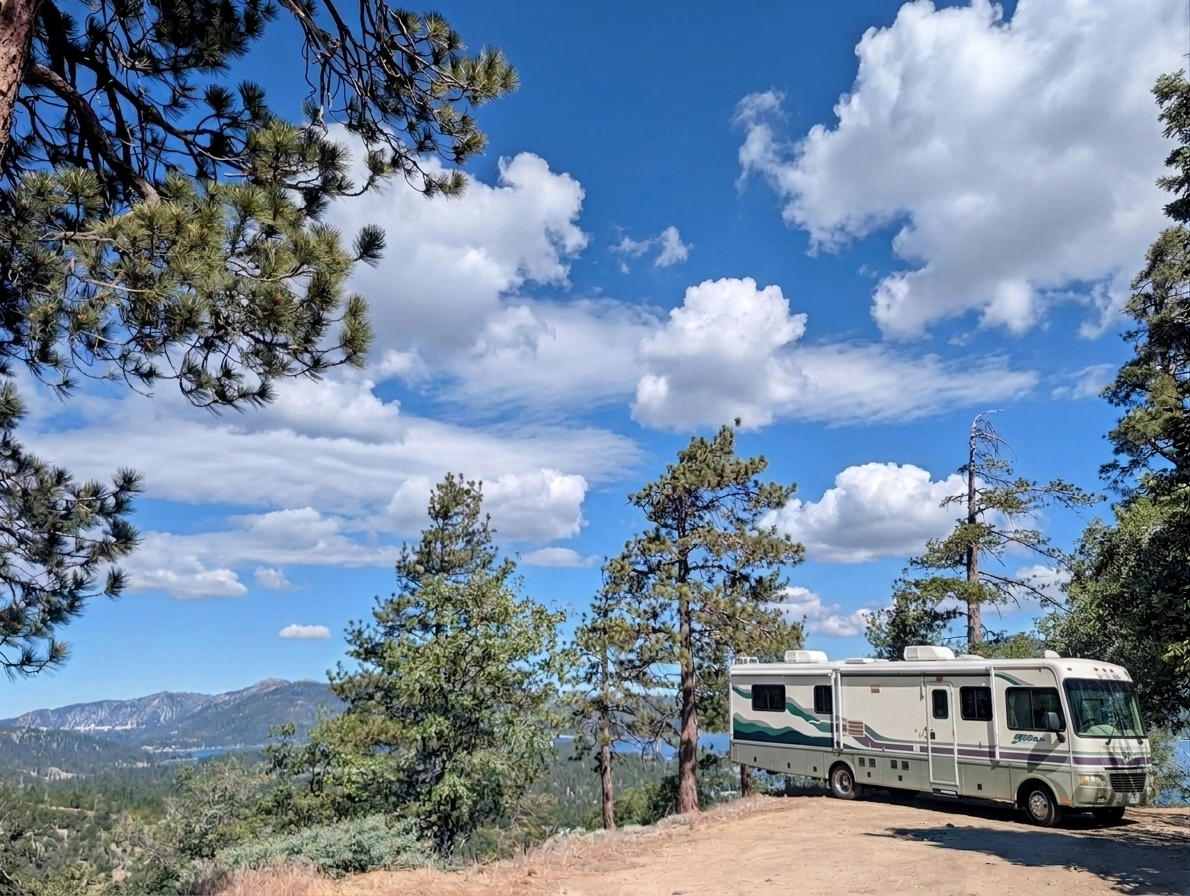 glamorous motorhome life feels very Little House on the Prairie, but with more black tank anxiety.
The good news is that many RV water pumps are surprisingly easy to replace if you buy the same style, flow rate and pressure rating as your current pump. Usually, you turn off the pump and power, relieve the water pressure, label your wires and water lines, unscrew the old pump, swap in the new one, reconnect the fittings and check for leaks. YouTube is your BFF when you are living that motorhome lifestyle. Obviously, if wiring makes you nervous, get help, but compared to some RV repairs, replacing a water pump is one of those manageable projects that can make you feel wildly competent for at least seven minutes.
God Bless the USA and a Properly Welded Tow Hitch
One thing the RV lifestyle has tau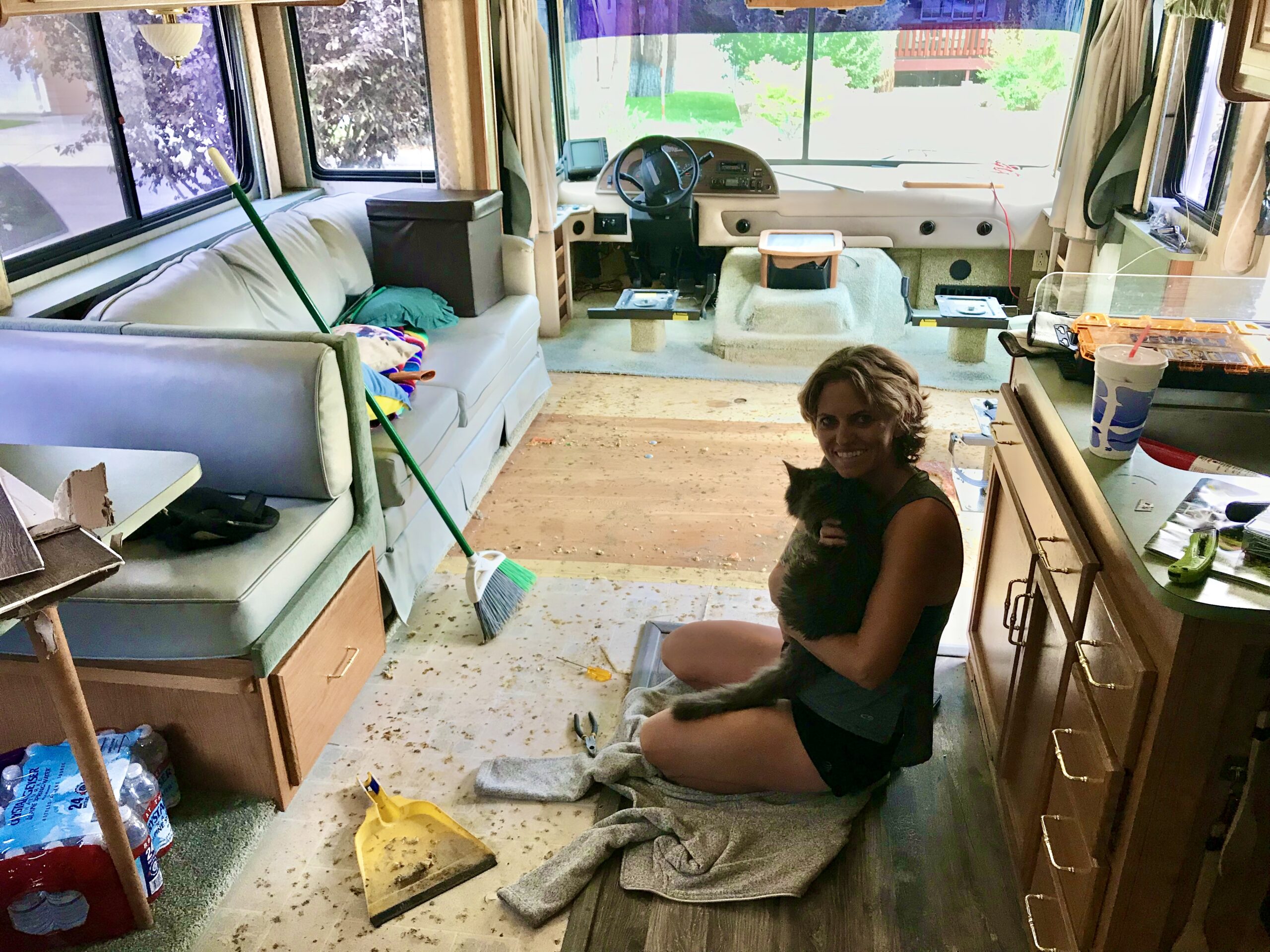 ght us is this: when it comes to motorhome parts that involve welding, towing or keeping your tow vehicle attached to your coach, never cheap out. American-made or Canadian-made towing parts are usually higher quality, and this is not the place to gamble on mystery metal with a questionable weld. I buy inexpensive imported products all the time. How many thrifted rompers do I own with Shein labels? Enough that my closet could probably testify in court. But when it comes to tow hitches, hitch receivers, hitch extensions, tow bars, base plates, locking hitch pins, safety cables and bike racks, I want high-quality parts from reputable manufacturers.
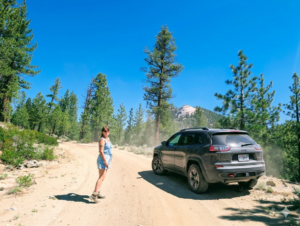
When it comes to your towing system, do not compromise on capacity. If you plan to tow something like a Jeep Cherokee Trailhawk, overbuild the setup. Know your motorhome’s towing capacity, your hitch rating, your gross combined weight rating and the rating on every piece between your coach and your tow vehicle. Manufacturers do take shortcuts, parts can fail under stress, and towing is not where you want to discover that “probably fine” was not, in fact, fine. We learned this lesson the exciting way when the original twenty-year-old tow hitch receiver on our motorhome snapped at the weld. Thankfully, it happened while we were leaving our own neighborhood at the beginning of a trip, not flying down the highway with our Jeep attached behind us like an expensive metal kite. Since then, we have been very firm believers in high-quality welded parts, always American-made, proper ratings and God bless the USA towing equipment.
Locking hitch pins are another one of those small motorhome camping essentials 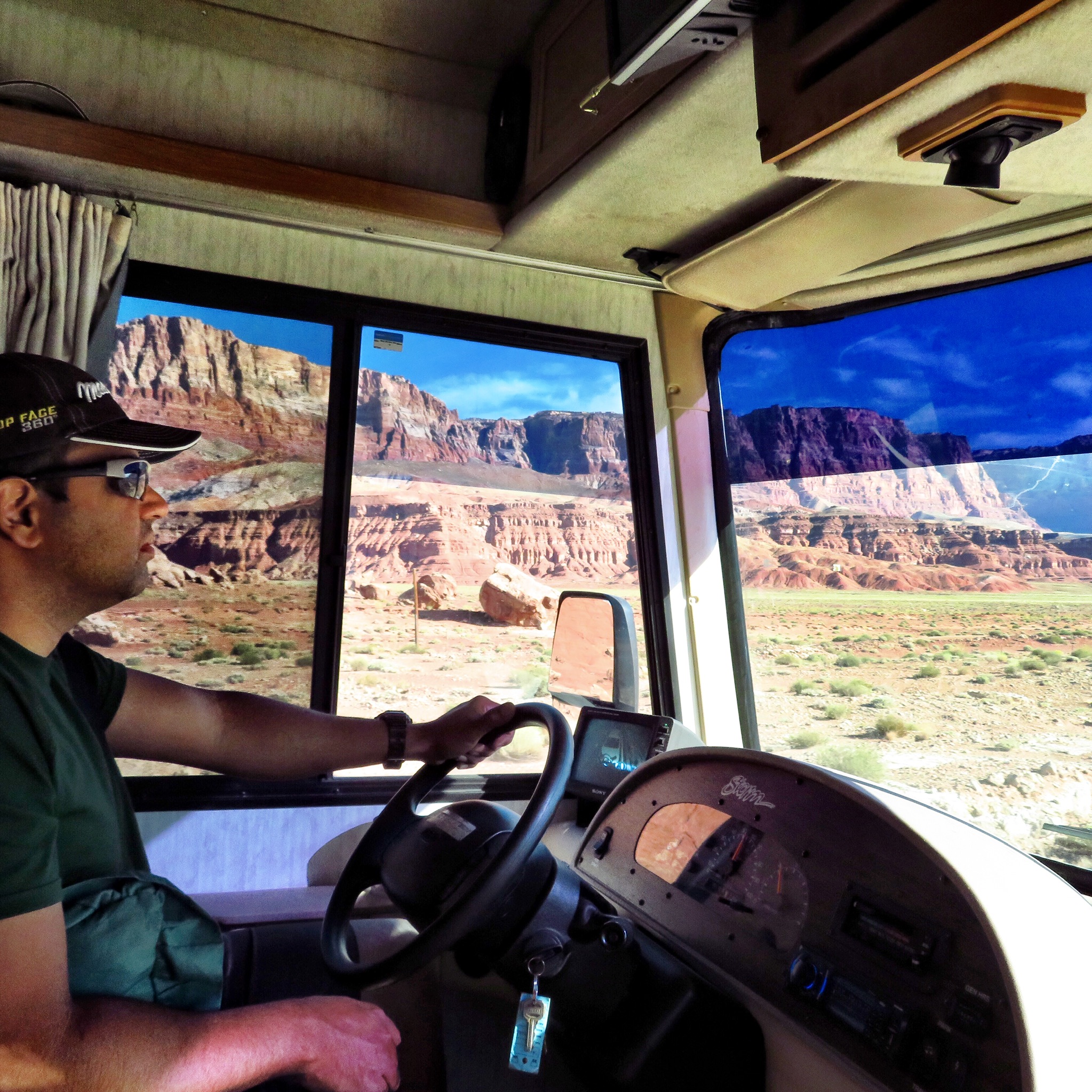 that do big work. A good locking hitch pin helps secure your tow bar, hitch extension or bike rack to your receiver, and it also helps prevent theft when you are parked at a campground, trailhead or random sketchy fuel station (Looking at you, Albuquerque) where everyone is pretending not to judge your gas bill. They are small, inexpensive and absolutely worth carrying as backups. This is also where it helps to keep extra hitch clips, pins and small towing hardware in your RV tool kit, because losing one tiny part can ruin a travel day faster than a pet with digestive issues in a closed motorhome.
And let’s talk about the TPMS, which stands for Tire Pressure Monitoring System. Not TPS reports, although if you have ever seen Office Space, you know those are also apparently very important. Here in 2026, it is just ridiculous to tow or drive a motorhome without a great functioning TPMS system. This little gadget monitors your tire pressure and often tire temperature, so if one of your motorhome tires is getting low or your tow car has a slow leak, you know before things get exciting in a very bad way. A reliable TPMS is one of the most important RV safety essentials for cross-country travel, especially when you are driving a large vehicle, towing a car and hauling pets, snacks and enough camping gear to start your own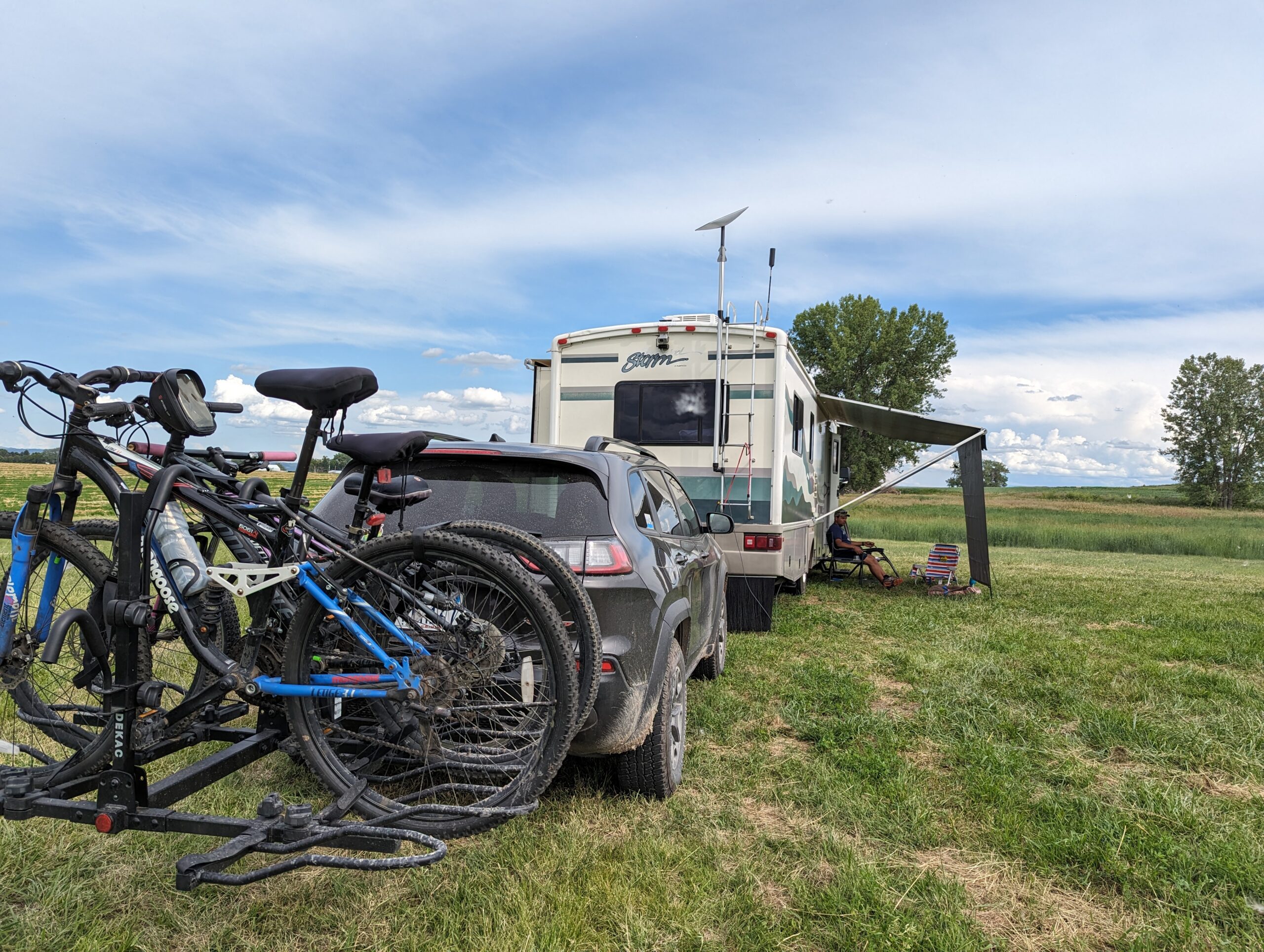 tiny outdoor REI.
And while we are talking about motorhome road-trip reality, let’s talk tires. How much do motorhome tires weigh? A lot. Too much. Enough that I have no personal interest in wrestling one on the side of an interstate while semis fly by and the dog stares at me like I have failed as pack leader. Depending on your rig, a mounted RV tire and wheel can be extremely heavy, awkward and dangerous to handle without the right equipment. This is not like changing a tire on a little commuter car in your driveway. For big motorhome travel, good roadside assistance is one of the smartest things you can have. Unless you enjoy napping on the shoulder of an interstate for three hours while wondering if the next big-rig tow truck is bringing help or just judgment. And if you are taking on changing one of those big ass tires yourself, you need to have a cordless Impact Wrench packed into one of your compartments.
Shade, Storms and BBQ: Why We Love Our RV Awnings
Adding on a second awning is another motorhome upgrade we absolutely love. We added a manual modular awning a few years ago and have never regretted it. When we camp in hot places like Lak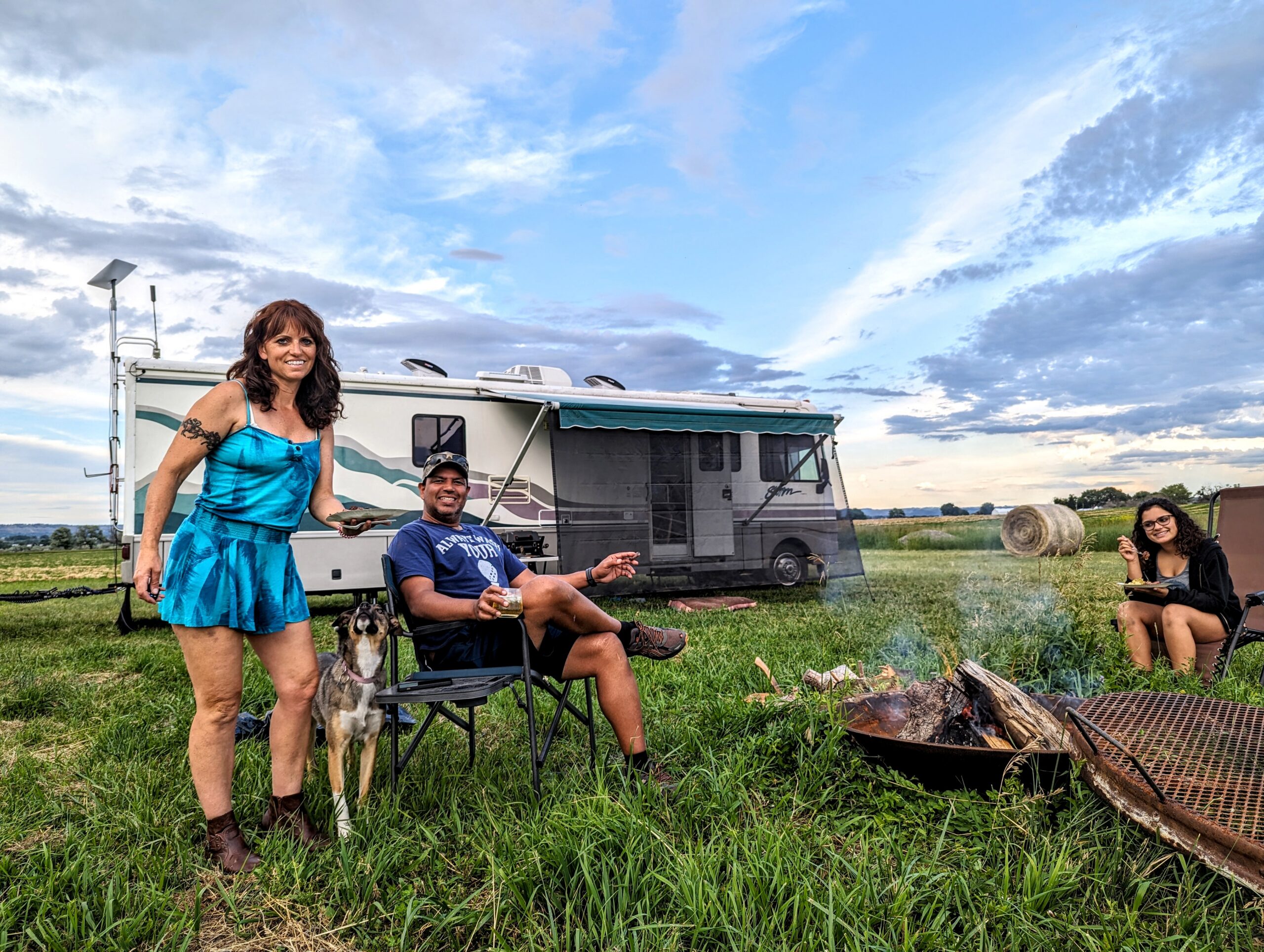 e Powell, we have double the shade, which is basically outdoor survival for people who enjoy happy hour but not heatstroke. When we camp during summer thunderstorms, like the time we stayed on a working cattle ranch in Montana, the second awning gave us extra protection from the rain while we still watched the storm roll across the sky like a dramatic Western movie. It also works beautifully when we want to barbecue outside on our Char-Broil grill during an adventure, like when we camped for ten days in the snow at Silver Lake, California. The second awning was surprisingly easy to install and completely worth the extra cash.
Awning de-flappers are mandatory in our RV camping gear collection because we always seem to camp somewhere windy. Always. I don’t know how we manage this. We could park in a bowl of mashed potatoes and somehow a gust would find us. We know other RV campers who have had their awnings shredded in high winds, so we are a little paranoid about keeping ours secure. If we leave camp for the day and winds are expected over 10 MPH, we take the awnings down. There is nothing like being in the middle of a ten-mile hike and that wind picks up. And you say, “Shit. We didn’t bring in the awnings.” Been there. Stressed over that. Awning de-flappers help keep the fabric from whipping around, flapping itself to death and making that horrible noise that sounds like your motorhome is being attacked by an angry tarp at two a.m. They are inexpensive, easy to use and absolutely worth packing.
Bug Guts, Road Dust and the Joy of a Shiny Motorhome
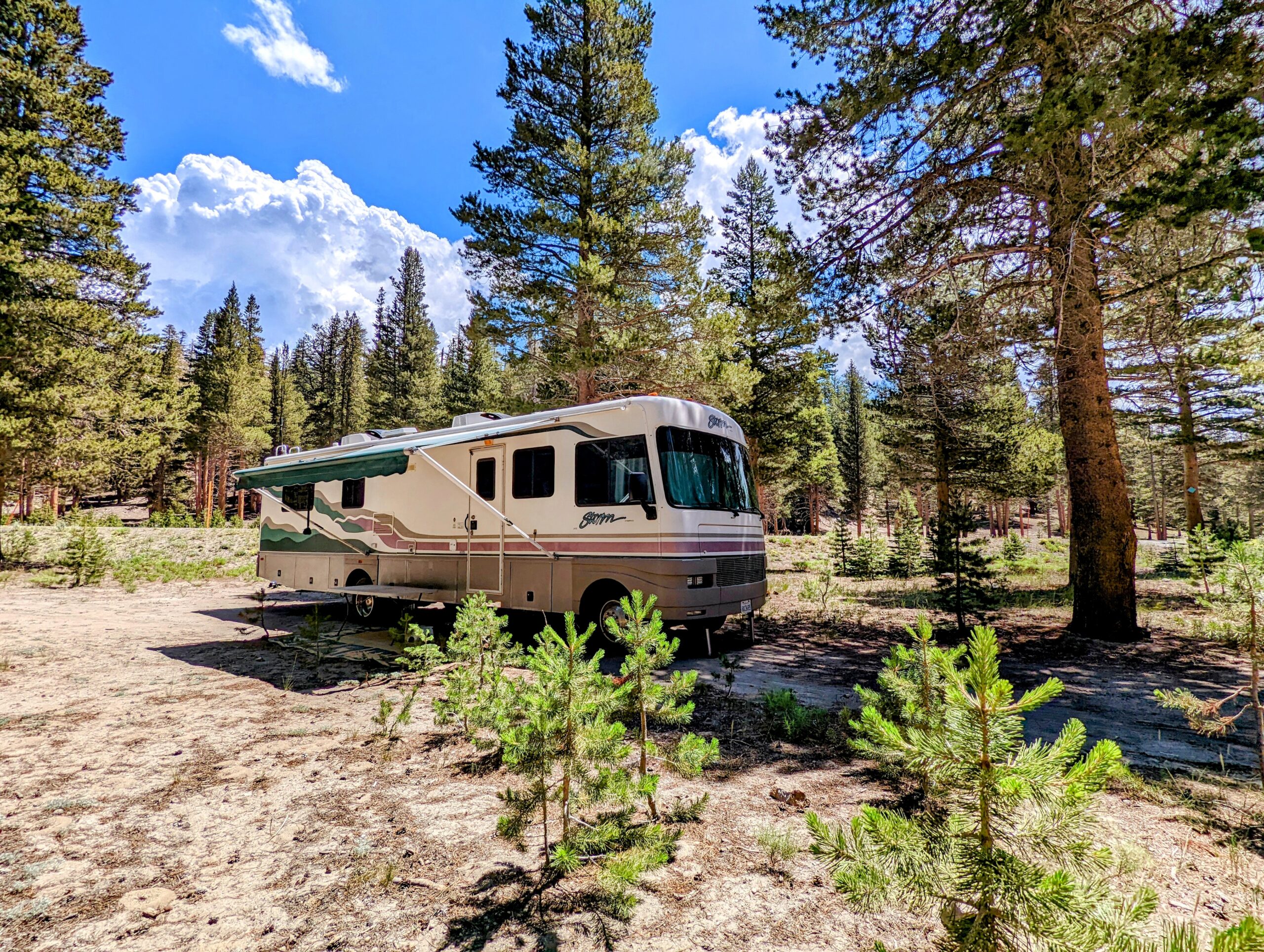
Keeping a giant motorhome clean is its own adventure, and by adventure, I mean a shoulder workout with soap. We love using Chemical Guys Extreme Body Wash and Wax Foaming Soap because it makes washing a 34-foot motorhome so much easier. We apply it through a cordless pressure washer with a foam cannon, which is one of those tools that makes you feel like you are detailing a NASCAR rig instead of just trying to remove campground dust, bug guts and evidence of questionable dirt roads. After washing, we like to add a ceramic coating layer with Presta Hydro Protek Ceramic. Between the wash, wax, foam cannon and ceramic finish, we can clean the motorhome, our vehicles and even backyard couch cushions like we suddenly own a professional detailing business. You could easily spend a thousand dollars to get your RV cleaned this well, or you can do it yourself and then complain about your shoulders like a normal person.
Once your RV is clean and shiny, it is time to prepare for trouble, and I mean the four-legged kind. Before motorhome travel begins, one of our must-have motorhome camping essentials is under-hood rodent repellent. You can have the most serviced engine in all the land, but if a mouse chews through your engine wiring, congratulations, you are now stranded somewhere along the 5 freeway between Mexico and Canada, possibly in Tracy, California, which is not where any vacation dreams should go to die. Nobody wants to be stranded on the 5. Believe me.
Before the Mice Turn Your Engine Into a Timeshare
We use electronic rodent repellents in all of our vehicles. They emit a high-pitched sound that helps discourage rodents from moving in and treating your engine compartment like a tiny Airbnb. They may also repel millennials, or at least my sister-in-law, who swears the sound is unbearable. I find some of her worldviews equally unbearable, so honestly, the device is doing more work than advertised. Rodent prevention may not be the glamorous side of RV travel, but it is absolutely one of those RV maintenance essentials you will be very grateful for when you are not stuck on the side of the highway explaining to a tow truck driver that a mouse ate your vacation.
And when it comes to the interior of your motorhome, yes, you need rodent repellent in there too. On our last visit to Mammoth Lakes, there was a Hantavirus outbreak. And yes, of course, we had a tiny little mouse along for that entire vacation. Every time something in my aging body hurt or someone sneezed on that trip, I thought I had Hantavirus. So now I keep peppermint oil mouse repellent and Irish Spring soap in the motorhome at all times. Yes, the motorhome smells slightly like my father in the 80’s. But I have not seen a mouse since. We also swear by Ultrasonic rodent repellents for the inside of our rig.
Install the Bidet Before Your RV Toilet Becomes a Crime Scene
Take my advice: If you are buying a motorhome, install a bidet or a simple handheld bidet sprayer as soon as possible. This is one of those motorhome camping essentials nobody wants to talk about until they are living in a tiny rolling bathroom with four pets, two humans and one toilet that has the flushing power of a polite suggestion. Motorhome toilets do not flush like home toilets. They use less water, and drop everything straight into the black tank. They rely on you to be a responsible adult, which is already asking a lot during vacation when happy hour starts at 2 p.m.
Without a bidet in your RV bathroom, not only will your backside never feel truly clean, but your camper toilet can start to look like a nuclear disaster site with a plastic seat. A small bidet sprayer helps keep things cleaner, uses less toilet paper and makes black tank life slightly less terrifying. Just make sure you install it correctly with the proper fittings, check carefully for leaks and turn off your water pump or city water connection before you start pretending to be an RV plumber. Once again, YouTube is your BFF. That, and a towel you do not care about.
RV Toilet Paper: This Is Not the Time for Your Costco Loyalty Program
When it comes to your motorhome potty, there is a lot more to know than simply purchasing toilet paper. Although yes, you absolutely need toilet paper. Just do not shortcut this and buy regular Kirkland toilet paper because you love a bulk bargain and have a garage full of emotional support paper products. We know other RVers who use regular household toilet paper, and all I can say is: enjoy your future black tank surprise.
RV-safe toilet paper matters because it is designed to break down faster in your holding tank. Regular toilet paper may not dissolve well enough, and that can lead to clogs, tank buildup, terrible odors and the kind of backed-up situation that ruins both a camping trip and a marriage. Scott Rapid-Dissolving Toilet Paper is a must for our RV loo. It may not feel like luxury hotel tissue, but neither does dealing with a black tank clog at a campground while your neighbors pretend not to watch. (We call this motorhome t.v.)
Why Does the Motorhome Always Smell Like the Motorhome?
One thing every motorhome owner eventually learns is that the motorhome always smells like the motorhome. It does not matter how clean you keep your black tank, how often you dump or how many times you swear, this time everything is fresh. There is still that special rolling-house aroma. Sure, that may be the smell of vacation, but personally, I could do without it. Vacation should smell like pine trees, high elevation lakes and a generous pour of wine, at the end of the day, not holding tank mystery.
That is why odor control is high on my list of motorhome camping essentials. I pack charcoal deodorizer packets and tuck them into cabinets, the bathroom and anywhere else the motorhome starts smelling like a motorhome. I also put a few drops of lavender essential oil on the cardboard tube inside the toilet paper roll, because I am a classy lady who believes even an RV bathroom can have spa ambitions. And yes, I swear by the Bath & Body Works plug-ins. They are lifesavers for keeping the motorhome from smelling like, well, the motorhome. And sometimes puppy farts. We live in reality here.
Dumping the Black Tank: Buy the Good Gloves, Princess
Of course, if you own a motorhome, eventually you have to dump the tanks. This is where sanitation gloves become non-negotiable. Take my advice and buy the better-quality gloves. Do not use cheap, flimsy Dollar Tree gloves unless you enjoy high-stakes gambling with your own hands. Cheap gloves rip at the worst possible moment. When you are dealing with a sewer hose, there is no such thing as a charming little oopsie. Trust me.
I like heavy-duty disposable nitrile gloves or sturdy reusable sanitation gloves that are only for dumping and absolutely nothing else. Do not get creative. Do not repurpose them. These are not dishwashing gloves. These are not gardening gloves. These are “I love camping. I also understand biology” gloves. After you dump and rinse your black tank, drop in a holding tank treatment like Walex Porta-Pak blue tabs. They help break down waste and control odors. They do what they can against the ghost of camp Venison Chili Past. We swear by the blue tabs for our black tanks.
RV Shocks: Because Your Motorhome Should Not Ride Like a Covered Wagon
We never realized how terrible the shocks were on our rig until we drove through Minnesota and into Canada. Our motorhome may be well-built, but her shocks were older than my knees after a ten-mile hike. Every bump felt personal. Every pothole felt like a federal offense. By the time we came home from our Upper Peninsula road trip, replacing the shocks was at the very top of our RV project list.
If you drive an older coach, your shocks may be worn out, too. Shocks help control bouncing, swaying and that charming sensation that your 34-foot motorhome is floating down the highway like a drunk pontoon boat. Replacing them is not the most difficult RV project we have tackled, but it is still a real mechanical job. You need the correct shocks for your chassis, good tools, safe support and enough patience not to throw a wrench into the bushes. We used Monroe Magnum shocks, which you can order online, and yes, I was very helpful handing over tools while wearing a cute vintage romper. That is called teamwork. Watch a good YouTube video first, read the instructions and do not crawl under anything heavy unless it is properly supported.
Backup Cameras: Because this is not 1999. We have technology now
If you drive an older coach, you probably do not have a factory backup camera. Our 1999 motorhome certainly did not roll off the lot with one. Back then, people apparently backed up 34-foot rigs using mirrors, prayer and the marital stress test known as “Can you see me waving?” No, thank you.
A backup camera is one of the best motorhome camping essentials you can install, especially if you are piloting a large RV with a tow car across the country.
These days, backup cameras are much easier to add. Some are wireless, some are solar-assisted. Many are designed specifically for RVs. A rear-view camera makes backing into campsites, checking your tow vehicle and navigating tight gas stations so much easier. It does not replace using your mirrors or having a spotter when you need one, but it does give you one more layer of visibility. And when you are driving a giant vintage motorhome through America with pets, snacks, tools, wine and probably an extra bidet on board, more visibility is always a good thing.
Vintage Motorhome, Modern Climate Control: Meet the Waiter’s ECC Upgrade
One of the best upgrades we installed in our older Fleetwood motorhome was the Waiter’s ECC Plug and Play System. Although I still may refer to it as “magic wall thermostat thingy.” Our motorhome may be over twenty years old, but when it comes to our heat and air conditioning controls, we are no longer living in 1999 with frosted lipstick, dial-up internet and a thermostat panel that looks like it belongs in a dentist’s office waiting room. This little upgrade brought our vintage coach into the modern era, and honestly, we absolutely love it.

The Waiter’s ECC system is made specifically as a modern replacement for the older Intellitec ECC climate-control systems found in many Fleetwood RVs. In normal-person words, it updates the control panel that runs your RV’s heating and air conditioning system. Instead of fighting with an old, tired wall unit that may or may not understand your desire not to freeze at 2 a.m., you get a modern touchscreen-style control setup that makes your older motorhome feel much less like a rolling museum exhibit.
What we loved most was that this upgrade was designed to be plug-and-play for many Fleetwood motorhome installations. That means you are not rewiring half the coach, inventing new swear words, or calling an RV technician while standing in the hallway holding a bundle of mystery wires. You do need to order the correct system for your specific Fleetwood RV and your existing Intellitec setup, so check the part numbers carefully before ordering. The Waiter’s ECC website gives very clear installation instructions, photos and details, which is exactly what you want when you are doing an RV project and trying not to turn your climate control system into expensive wall art.
We also installed the wall mount plate, which gave the new touchscreen a cleaner, more finished look on our RV wall. In older coaches, the original wall opening and thin RV wall material do not always behave like a normal house wall, because, of course, they do not. This is a motorhome. Nothing is ever just one screw and a dream. The wall plate helps make the installation look more polished and secure, especially if you need a little extra clearance behind the touchscreen.
For us, the Waiter’s ECC upgrade was one of those motorhome camping essentials that made our old coach feel so much more livable. Reliable heat and air conditioning controls matter when you are camping in the snow one month and baking in the desert the next. I can live without a lot of luxuries on the road, but I do not want to wake up sweating like I’m sleeping inside a baked potato because our twenty-year-old thermostat decided to have feelings. This upgrade was easy, useful and completely worth it.
Motorhome Essentials for Vacation, Dog too!
One thing we never leave home without on a motorhome road trip is our Vacation Dog. She is truly man’s best friend, my best hiking buddy and a very furry member of the family who believes every campground exists for her personal sniffing pleasure. When you are creating motorhome memories with a pup in tow, you need to pack motorhome camping essentials for your four-legged family member, too. Because nothing says “relaxing vacation” like realizing you remembered the 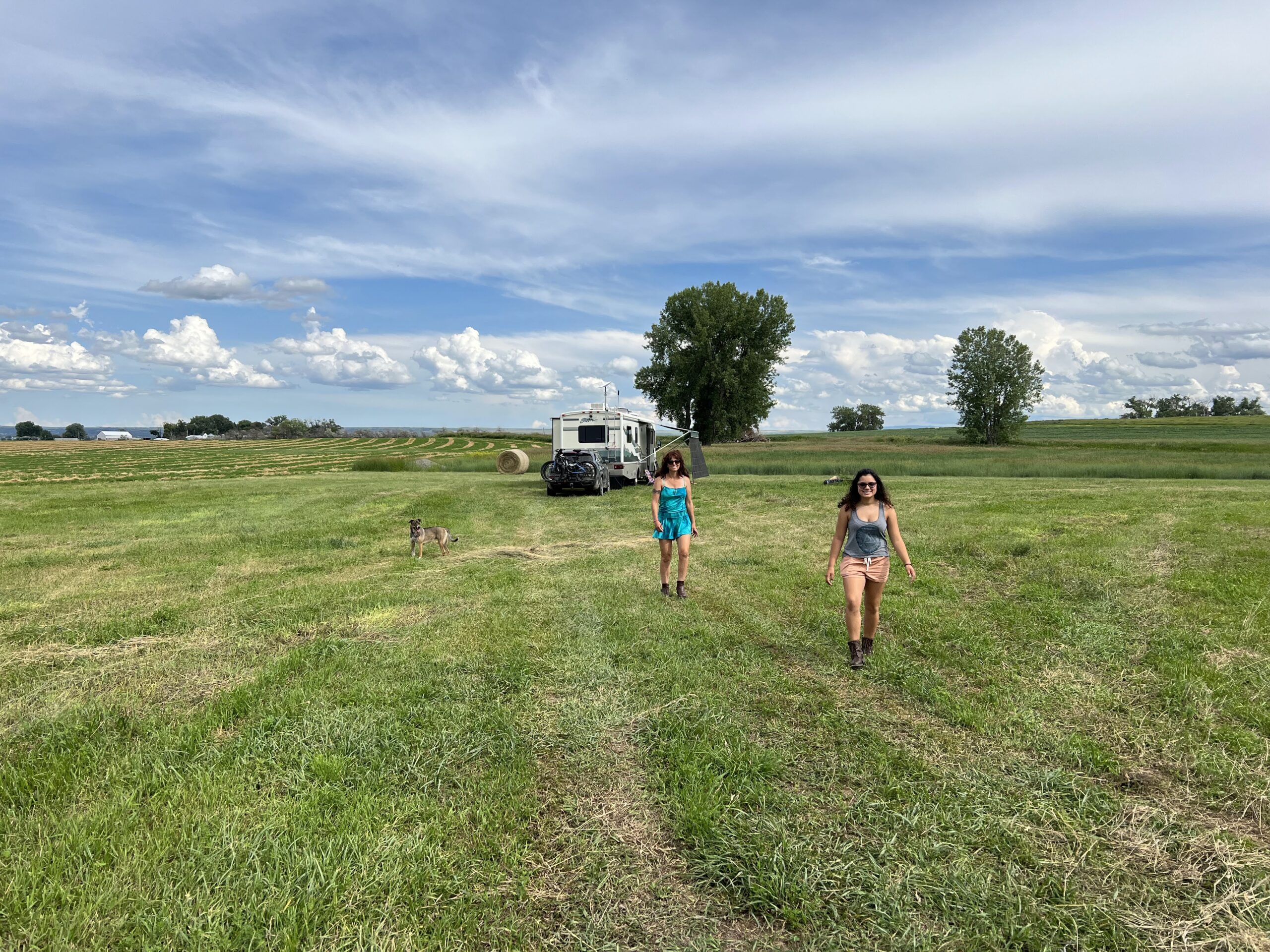 wine opener but forgot the dog tether.
We never leave home without our thirty-foot dog tether. If I am on vacation, I am not spending happy hour chasing the dog through a campground like a deranged camp host in flip-flops. Some campers may be fine letting their dogs go full free-range Camping Dog. Sure, I will do that if we are dispersed camping in the middle of nowhere or staying at an amazing Harvest Host on a cattle ranch far away from other campers. But if we just spent eight hours driving the highways of Wyoming toward South Dakota to see Mount Rushmore, battling road construction, wind and semis, I need happy hour to be relaxing. The dog tether lets our pup hang out with us safely at camp while I enjoy my beverage like the exhausted motorhome queen I am.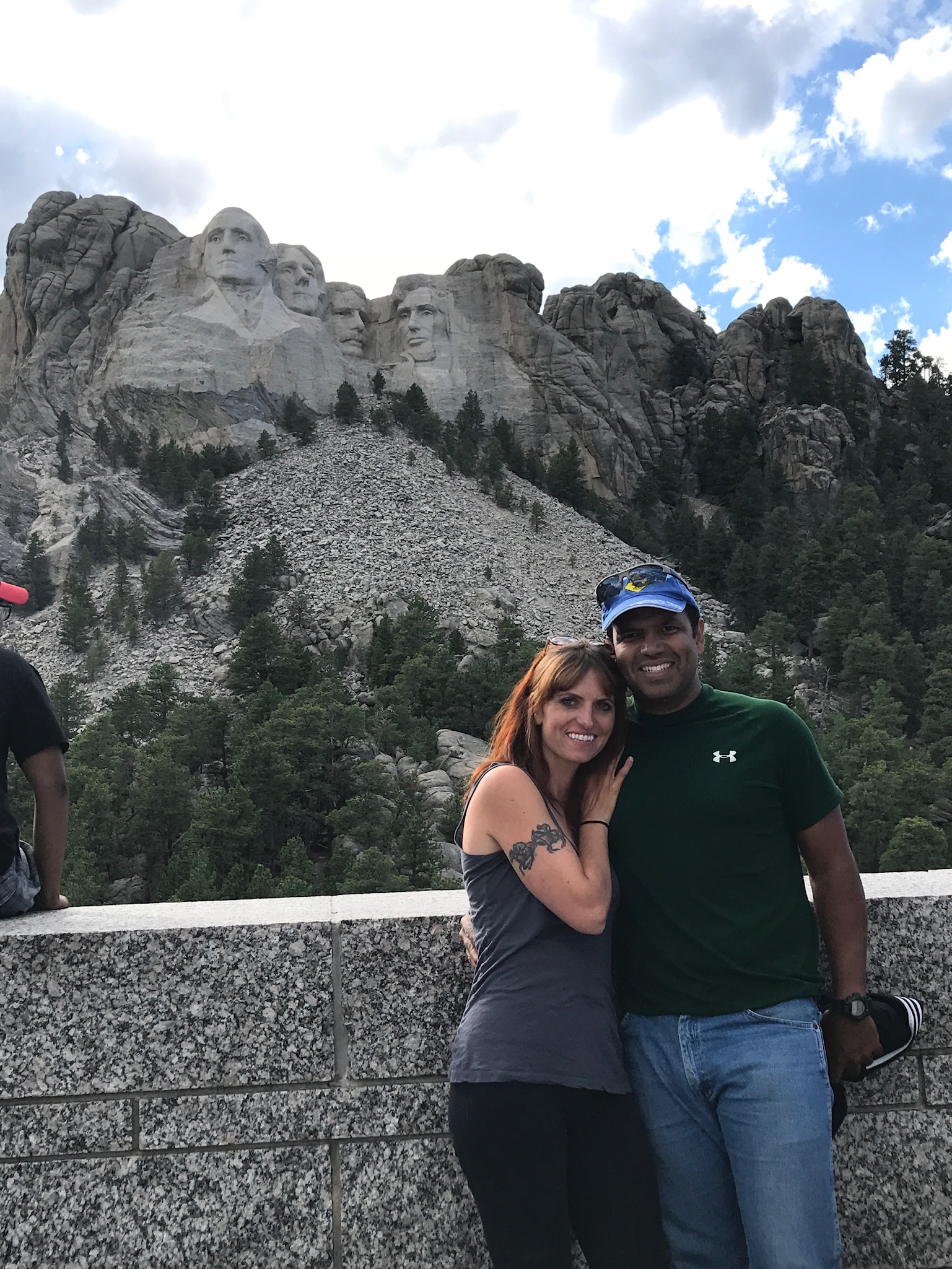
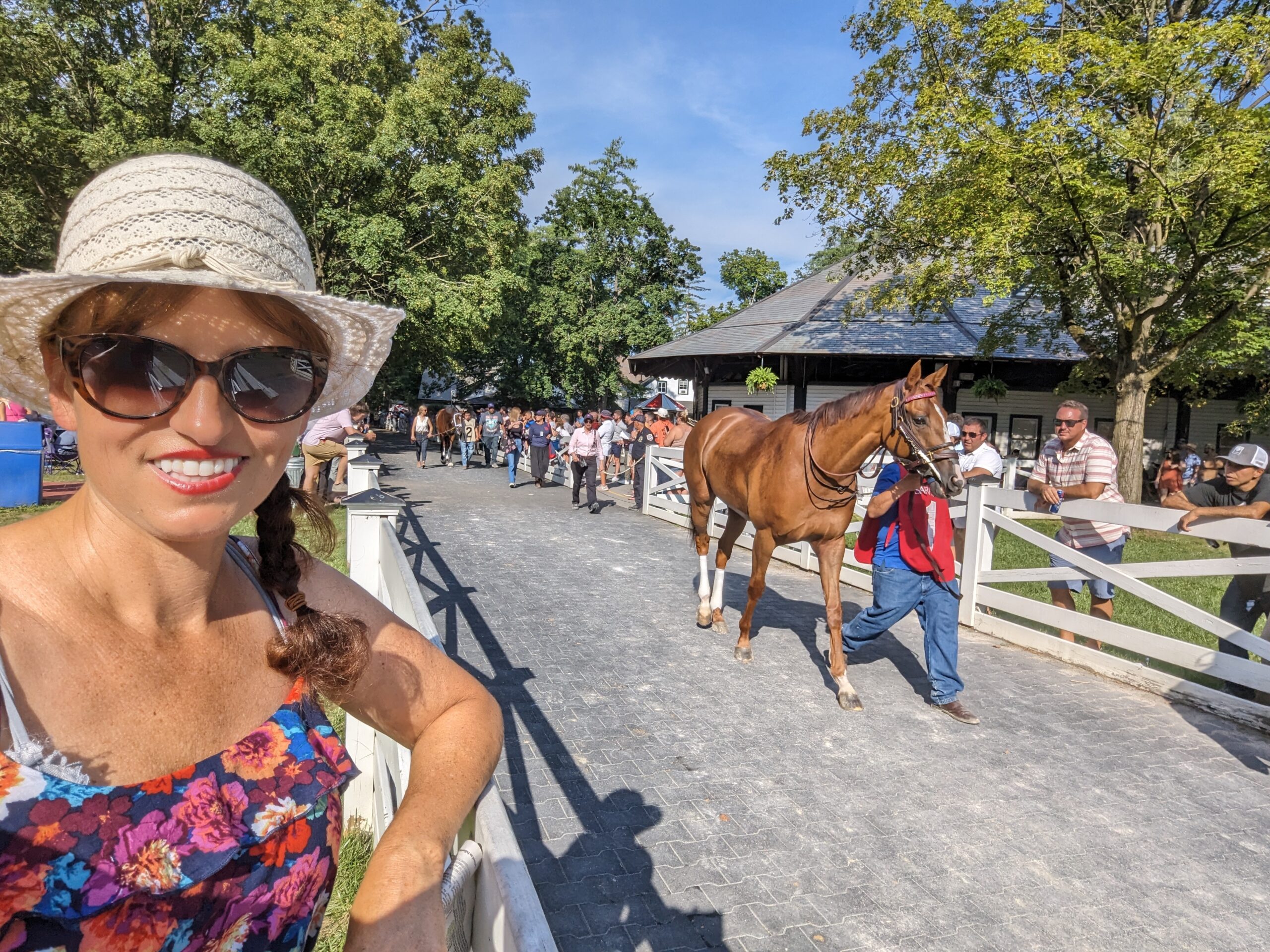
We also carry a fold-up dog crate when we travel with our pup. Our vacation dog is very crate-trained, and her crate is her safe little den on the road. Most vacation days, she is with us twenty-four seven, hiking, swimming, exploring and supervising snack distribution. But when we visit different Thoroughbred racetracks across America, we do leave her in the crate for the day inside the motorhome, with fans, water and a safe setup. A folding dog crate is one of those pet travel essentials that gives your dog a familiar space even when your home is currently parked somewhere between a KOA, a fairgrounds and a suspiciously windy rest stop. Honestly, you can often find a used folding dog crate at a big thrift store, or you can buy one online and have it delivered before your next adventure.
When Camp Food Meets Dog Digestion
 Never leave home without the puppy fart spray. I do not care how adorable your dog is. Dog farts happen. Especially when camp food is involved. One bite of dropped hot dog, one mysterious snack found under the picnic table, one tiny taste of camp chili and suddenly your motorhome smells like a crime scene with throw pillows. A good pet odor spray is not optional. It is a public service.
Our dog swims almost every day when we are living that vacation life, and I see absolutely no point in shoving both her and me into the tiny RV shower every single afternoon like some kind of wet-dog circus act. She is just going to swim again tomorrow and ooze that charming lake-dog aroma all over the motorhome. So we use puppy cleaning spray religiously. It helps freshen her up between actual baths, keeps the wet dog smell from taking over the coach and saves me from trying to bathe a slippery animal in a shower stall the size of a broom closet.
We also carry dog shoes for hot travel days, especially when we have to spend a night somewhere ridiculously hot like Salt Lake City, Las Vegas or anywhere the pavement feels like Satan’s driveway. If temperatures are over 85 degrees, blacktop can get hot enough to burn your pup’s paws. Dog shoes are a must for cross-country motorhome travel, especially when you are stopping at gas stations, rest areas and campgrounds where shade is apparently illegal. Your dog may walk like a tiny drunk show pony the first few times wearing them, but burned paws are not cute.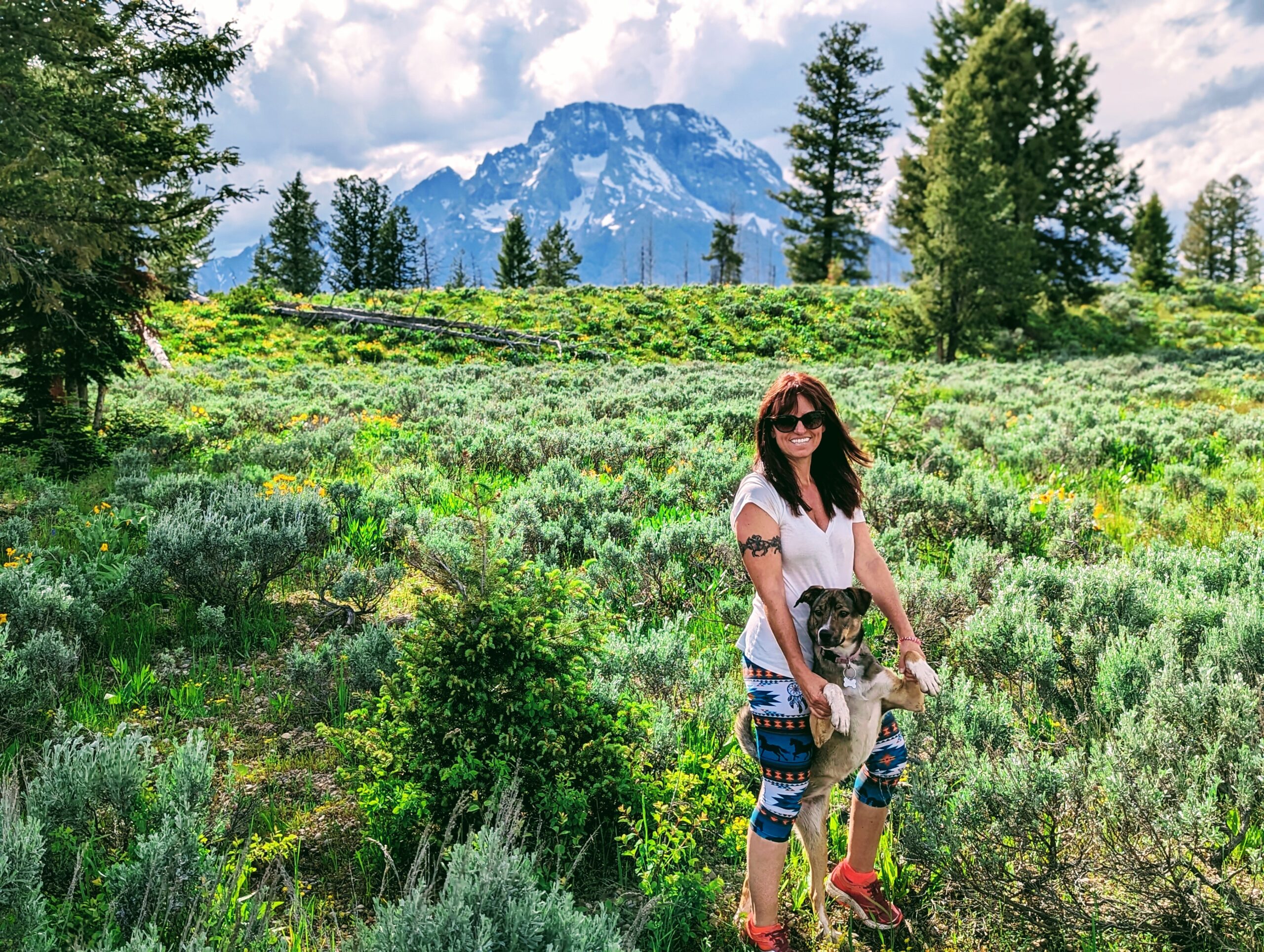
We always pack our Bissell Pet Fur Vacuum for motorhome vacations because one thing about camping is that nothing ever stays clean. Add furry friends and suddenly your RV floor looks like you are transporting a small herd of shedding livestock. This vacuum is fantastic for picking up dust, camp dirt and pet fur, which somehow migrates into every corner, cushion and cup holder. If you travel with pets, a good compact pet vacuum is absolutely one of those motorhome camping essentials you will use constantly.
We also keep a Swiffer mop on hand at all times because camp dirt is unavoidable. You can sweep, vacuum and wipe down the floor, and five minutes later someone will track in pine needles, lake mud, desert dust or whatever weird gravel campground designers seem to love. A lightweight mop is easy to store and makes quick cleanups less dramatic. Motorhome floors are small, but somehow they get dirty with the ambition of a full-size farmhouse.
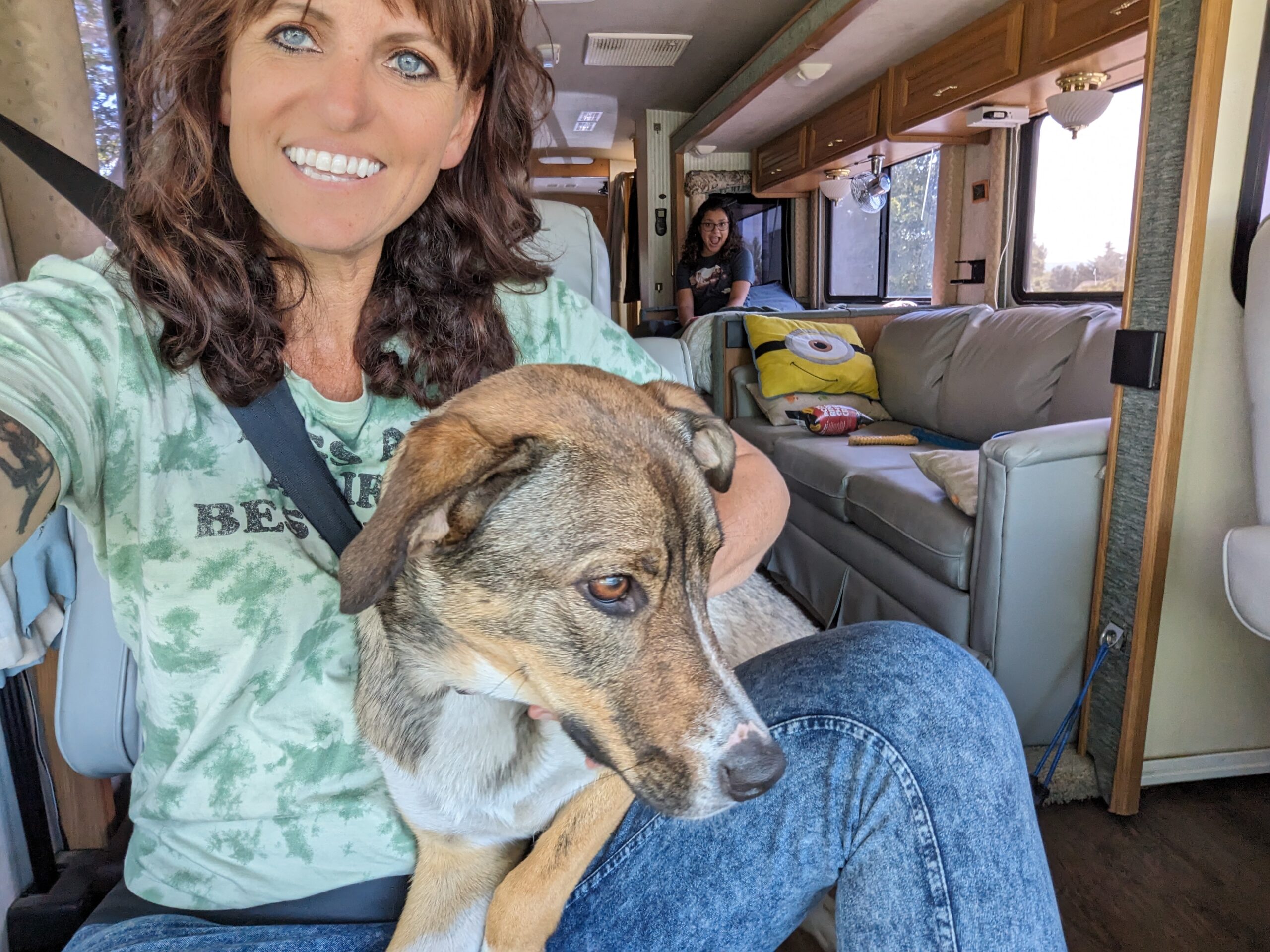
Speaking of puppy farts and the many aromas of motorhome life, we installed small fans throughout our coach, and they have been a game-changer. They help keep our bedroom cooler when we are sleeping, especially when we are camping somewhere beautiful, high elevation and not running the air conditioning all night. They also help move air around during long drives across this amazing country of ours, which is especially helpful when the sun is beating on the windshield, the dog is panting dramatically and someone in the back just opened a bag of camp snacks. These fans usually come in a multi-pack and are simple to install. They make the motorhome feel much more comfortable. Better airflow means better sleep, less stuffiness and a fighting chance against puppy farts.
The Camper Kitchen: Small, Organized and Full of Frozen Curry
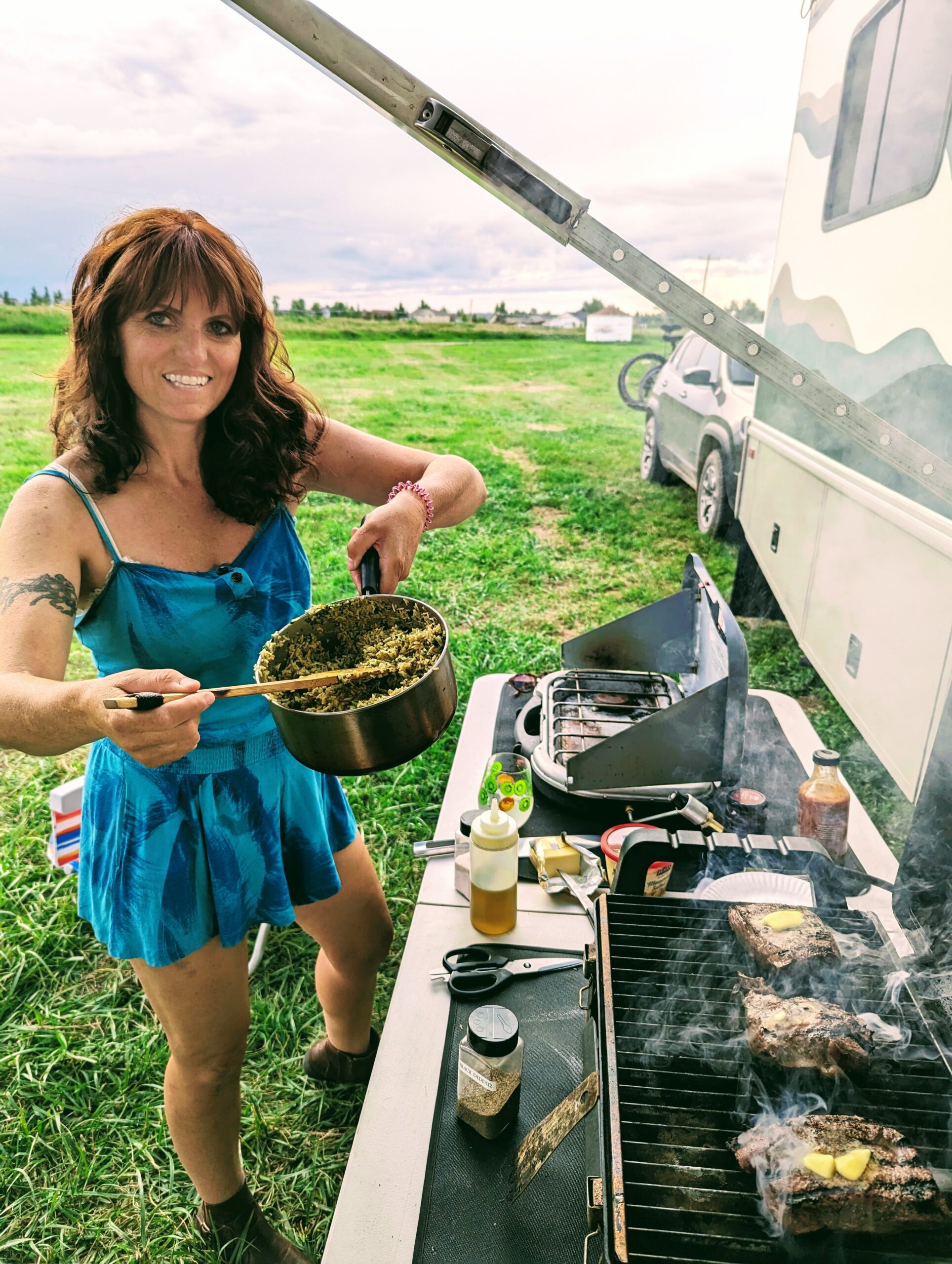
When it comes to your camper kitchen, think small, organized and absolutely no clutter. A motorhome kitchen is not the place for seventeen novelty spatulas, three sizes of colanders and that one gadget you bought because TikTok said it would change your life. (It didn’t) You only want to pack the true motorhome camping essentials, especially if you plan to cook real meals on the road and not just live on gas station jerky.
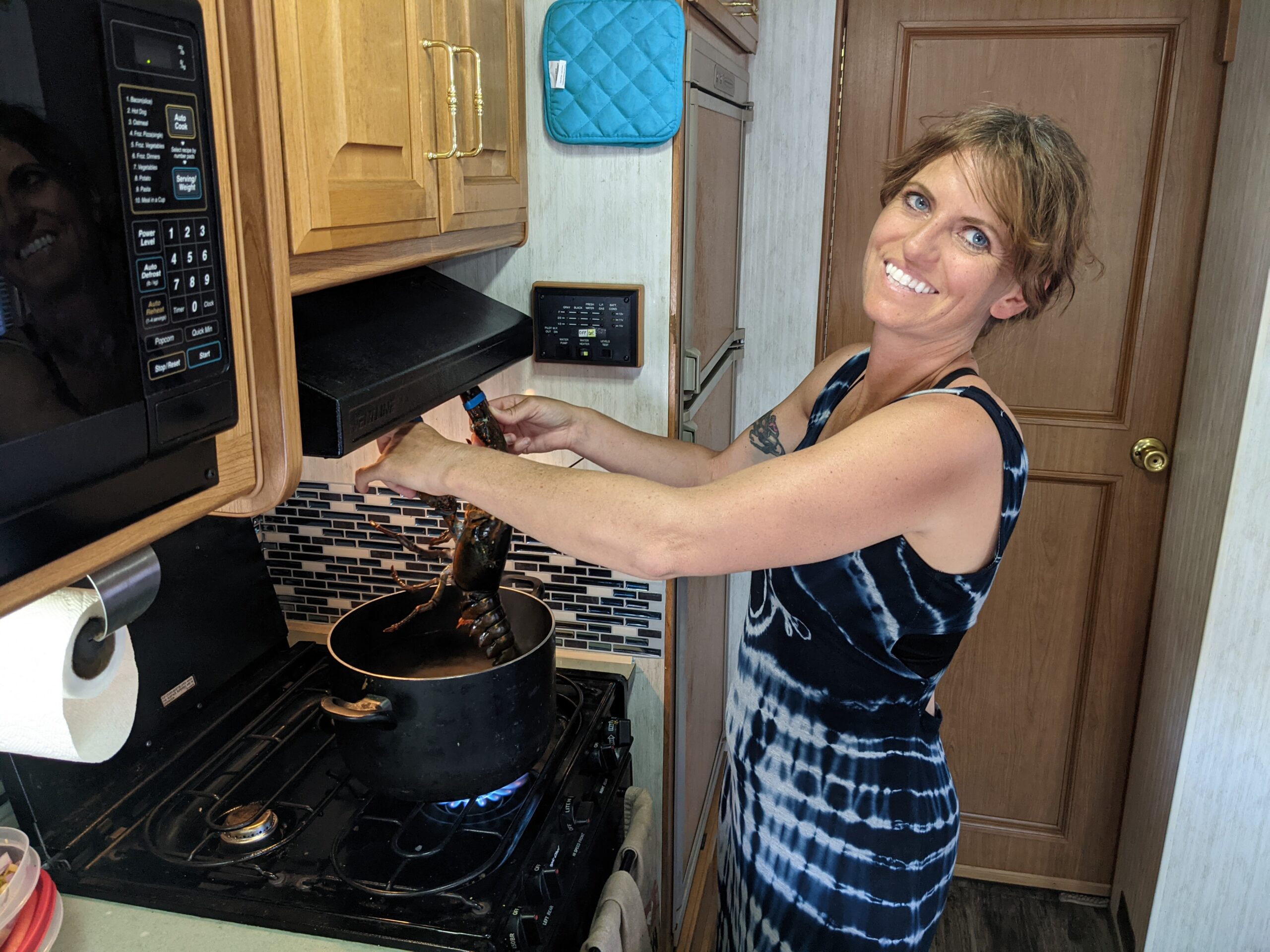
Before every big motorhome road trip, I make as many freezer-friendly meals as possible. This is exactly why we travel with an additional 12-volt, 60-quart portable refrigerator/freezer. That extra plug-in fridge is one of my favorite RV kitchen essentials because it gives us room for homemade meals, frozen meat, Costco finds and, obviously, the dog’s bone broth, because apparently even the dog has a meal plan now. Before a long trip, I freeze Indian and international comfort food like Lamb Vindaloo, Chicken Biryani and whatever else makes me feel like I am not trapped in a rolling hallway eating sad sandwiches for three weeks.
A good 12-volt portable fridge or freezer is a game-changer if you are traveling for weeks or months at a time. A tiny RV fridge only holds so much, and I like to stock up at home before we leave. We hit Costco, Trader Joe’s and all those glorious ethnic markets throughout Los Angeles County because I know perfectly well I am not finding coconut oil, curry leaves, gochujang or my favorite garma masala Indian spices in the middle of Idaho or Montana. I am sure small-town America has many charms, but specialty pantry items are not always one of them.
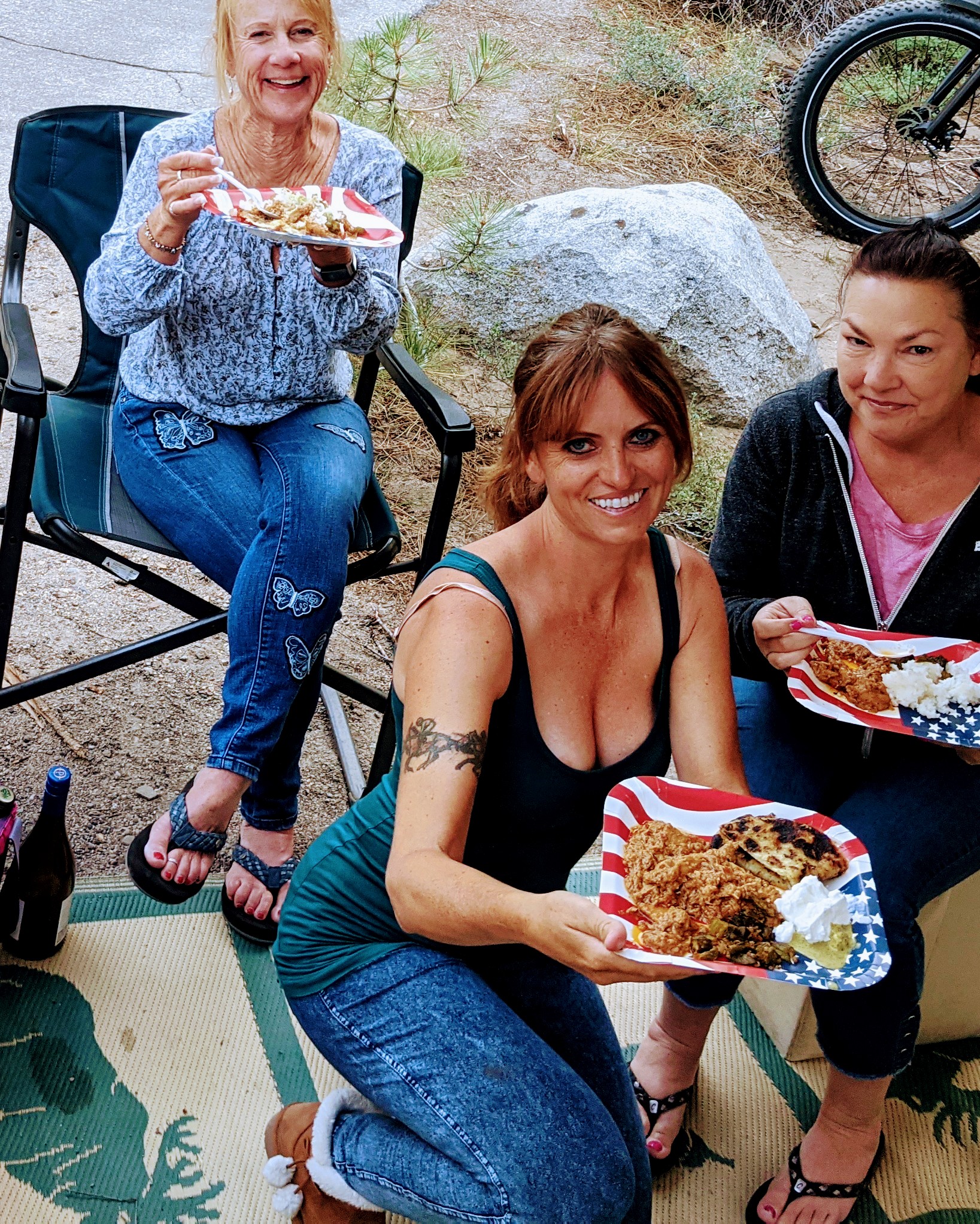
We also stock up on adult beverages ahead of time because so many states make you go to a state-run liquor store, which always feels like being financially punished by bureaucracy. We are also a family that loves ice. I usually make at least twelve gallon bags of ice before a long trip, and yes, we also carry a small ice maker stored under the bed like normal people who have accepted their glamping problem. Thankfully, we installed solar a few years ago, and that helps run some of my camp kitchen necessities like the ice maker, rice cooker and NutriBullet. You know, the basics. They do call it glamping for a reason, she says while straightening her hair with a flat iron powered by solar somewhere in the middle of nowhere.
A Tiny Motorhome Kitchen with Big Curry Energy
When it comes to washing dishes in a motorhome, buy the high-quality Dawn Powerwash dish cleaner. This is not the time to be heroic with a sad sponge and a gallon of wasted water. If you are motorhome camping, camp kitchen cleanup needs to run as smoothly as possible, and that means using less water whenever you can. Spray dish soap makes it so much easier to clean greasy pans, curry-covered bowls and those mystery plates that somehow touched barbecue sauce, dog hair and camp dust all at once.
I am not a huge fan of paper plates because our motorhome already gets approximately eight miles to the gallon, and I do not need to personally apologize to Mother Earth more than I already do at the gas p ump. But on long trips, especially when we are trying not to dump our tanks constantly, yes, we absolutely use paper plates sometimes. This is the motorhome lifestyle. You make your peace with a little convenience when the nearest dump station is far away and your gray tank is giving you attitude.
We love to cook outside basically all the time. Even when we camp in the snow, you can still find us outside making campfire Lamb Vindaloo in a snowstorm. True story. Our outdoor camp kitchen setup is one of our favorite parts of RV travel. We use an easy fold-up outdoor table, our outdoor camp stove and the right propane setup so we can cook outside instead of heating up the motorhome. Depending on your RV and grill, you may need a propane quick-connect hose, an adapter hose or a regulator-compatible setup. The important thing is to make sure your grill and your RV propane connection match safely. Some RV quick-connects are already regulated, so you do not want to accidentally double-regulate your grill and then wonder why your flame has the enthusiasm of a birthday candle.
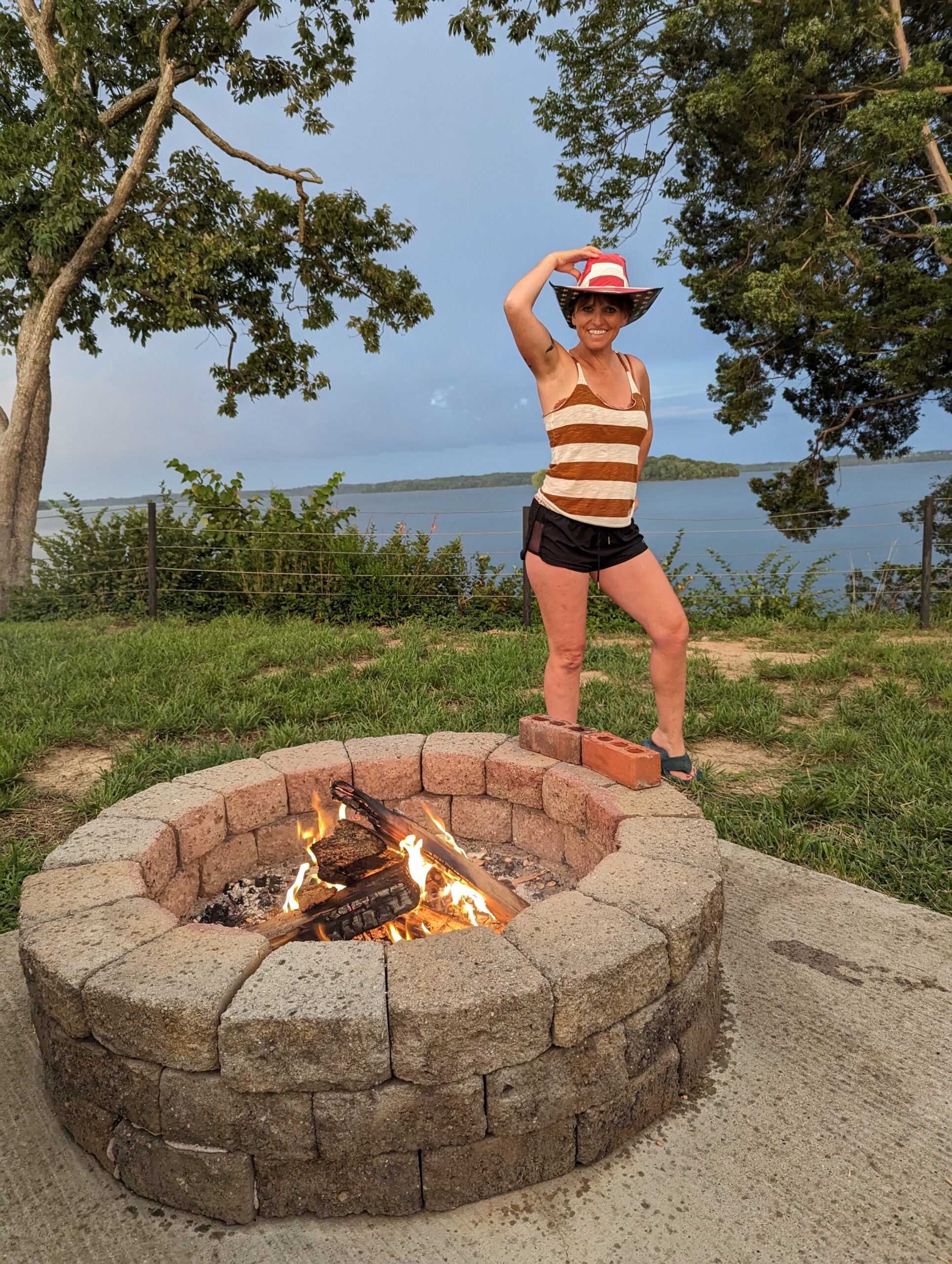
Once the outdoor camp kitchen is set up, we rarely cook indoors unless we are dealing with pouring rain, high winds or a possible tornado. Looking at you, Nashville. Cooking outside keeps the motorhome cooler, keeps the cooking smells outside and gives you room to actually enjoy dinner in the great outdoors, which is the whole point of dragging your tiny rolling house across America in the first place.
Do not leave home without a good cast-iron pan and a Dutch oven. And no, I am not talking about what happens when someone eats too much Buffalo Campfire Chili and traps you under the blankets. A real cast-iron pan and a Dutch oven are both exceptionally helpful if you want to cook over a campfire grate, on a grill or in a rugged outdoor camp kitchen setup. Cast iron holds heat beautifully, gets a great sear and can take the abuse of campground cooking. A Dutch oven is perfect for stews, curries, chili, cobblers and those meals that make neighboring campers wander by pretending they are “just going for a walk.”
A smokeless fire pit can also be a fantastic piece of motorhome camping gear w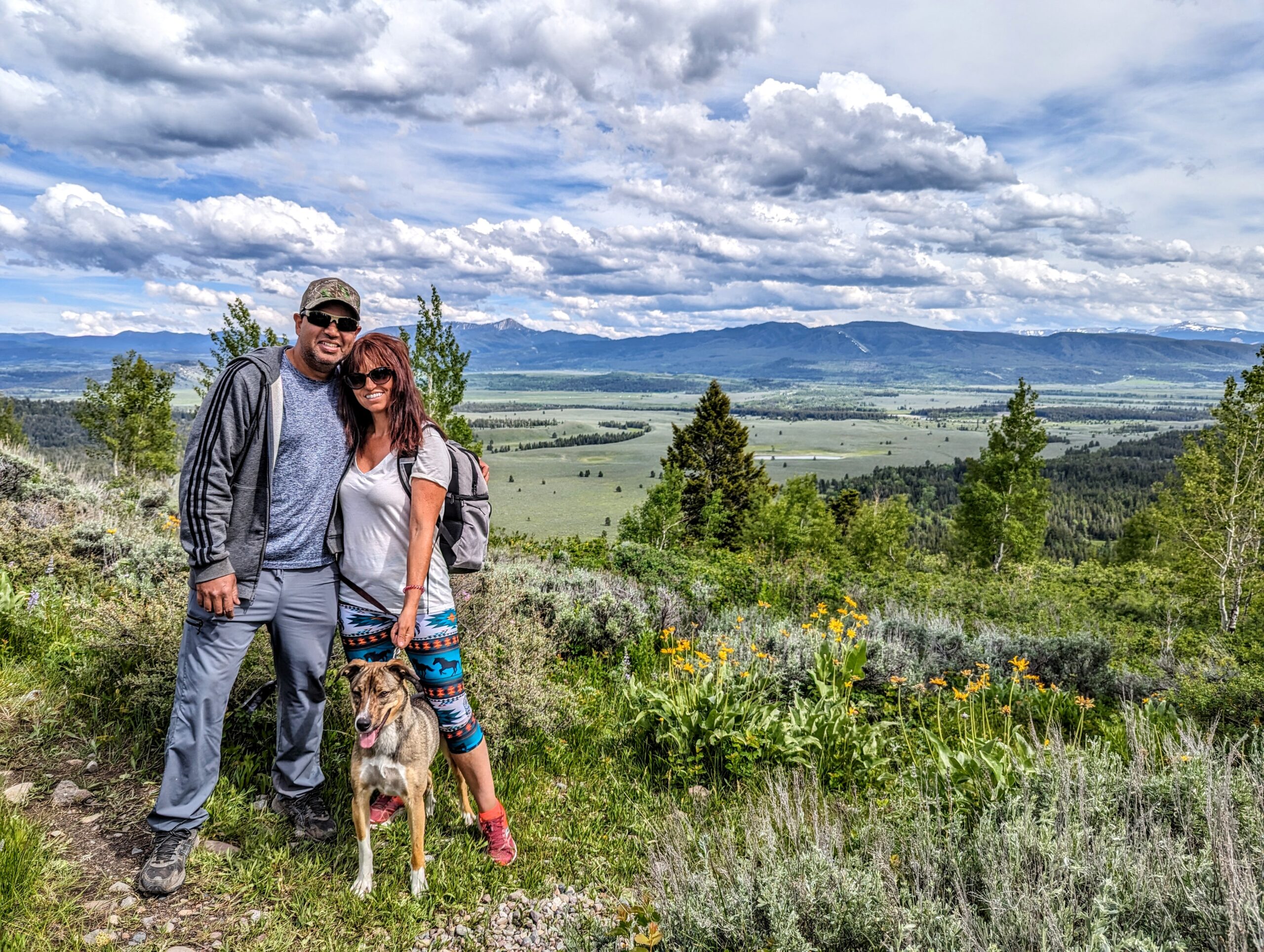 hen you are dispersed camping somewhere that allows fires but does not provide a fire ring. Obviously, this does not mean you can just light up a fire wherever you feel emotionally chilly. Always check local fire restrictions before using any fire pit, especially in the West, and especially anywhere in California, where one spark can turn into a breaking news event. Used responsibly, a portable smokeless fire pit can give you that cozy campfire feeling without needing a built-in campground fire pit.
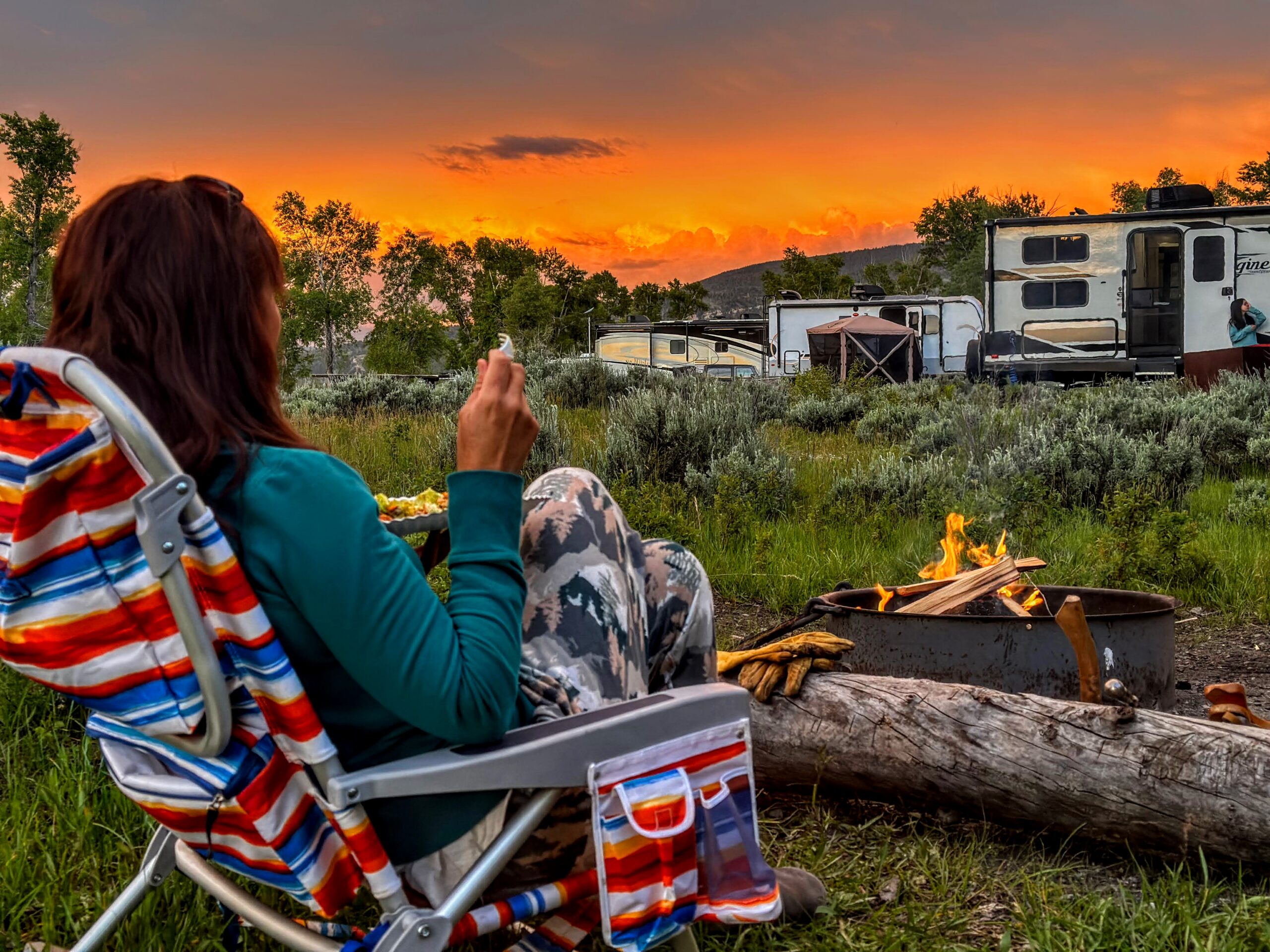
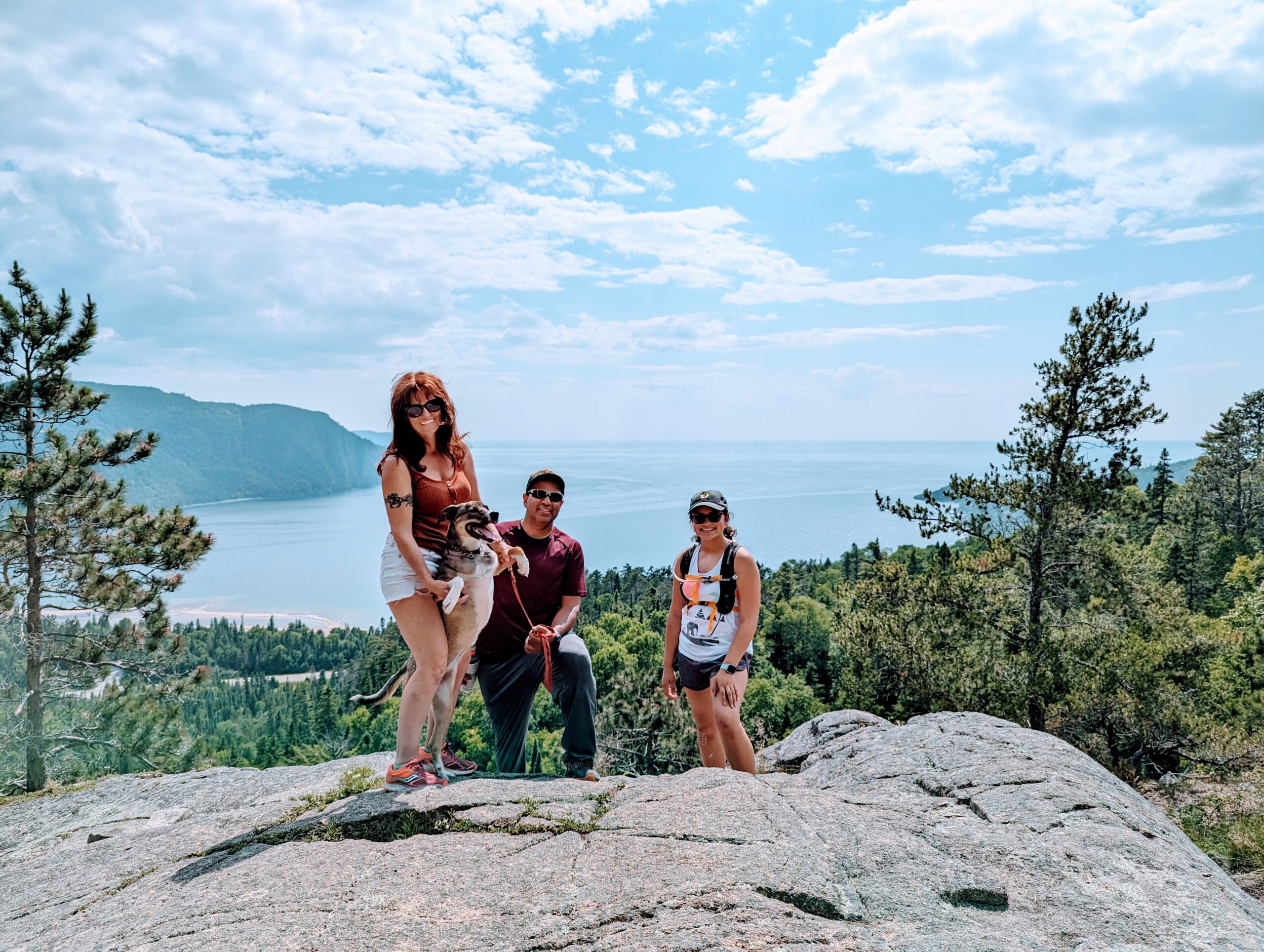
After nearly 40,000 miles of motorhome travel over the past ten years, I can honestly say these motorhome camping essentials have helped us build some of our favorite memories. We have eaten camp dinner outside the Tetons while watching the best sunset I have ever seen. We have had buffalo surround the motorhome in the middle of Yellowstone National Park. We survived the terrible roads of Minnesota and New Mexico, which should honestly come with warning labels and free chiropractic care. We marveled at Lake Superior as we drove our 34-foot motorhome around the Great Lakes, through the Upper Peninsula, toward Niagara Falls and eventually all the way to the East Coast.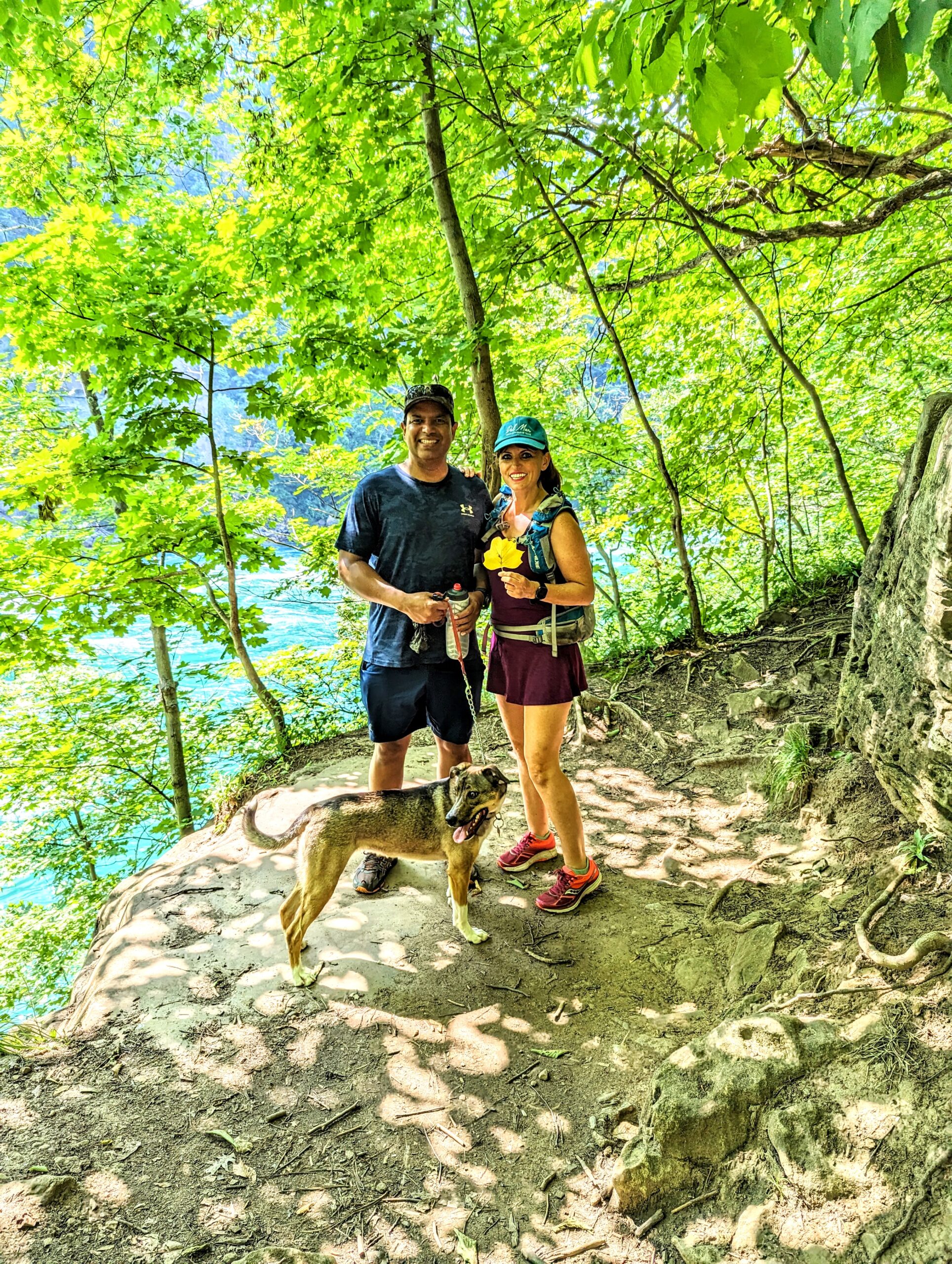
This country of ours is spectacular, whether you are visiting a Thoroughbred stud farm in the bluegrass of Kentucky, grilling dinner under a Wyoming sunset or being the smelliest tourist at the Grand Canyon thanks to motorhome lifestyle shenanigans. RV travel is not always glamorous. Sometimes it is dusty, gassy, leaky, windy and full of camp dirt. But with the right motorhome camping essentials, a well-stocked camper kitchen, a few frozen curries, plenty of ice and a sense of humor, it is also the best way I know to see America. We would not have it any other way.
Comments
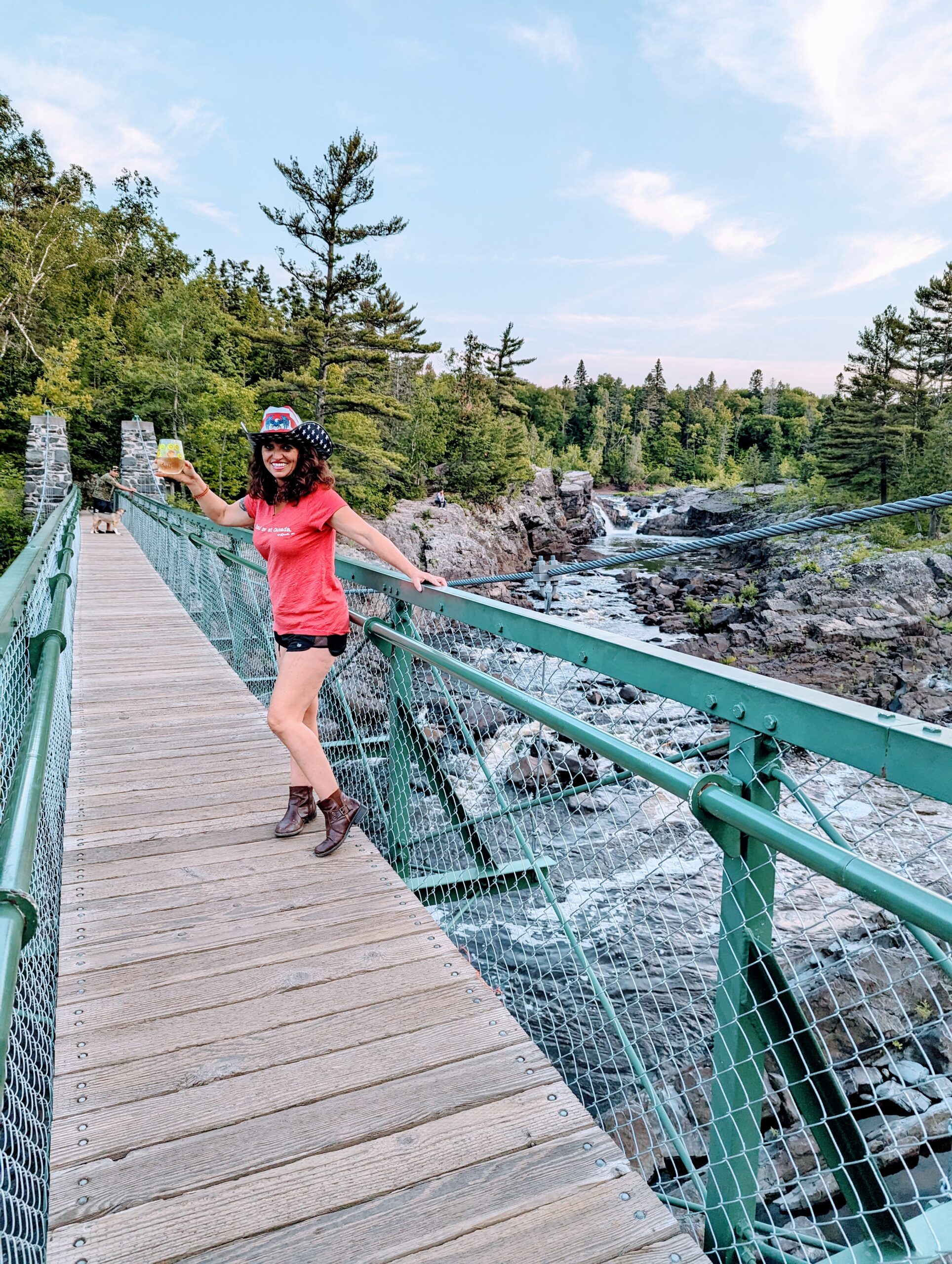
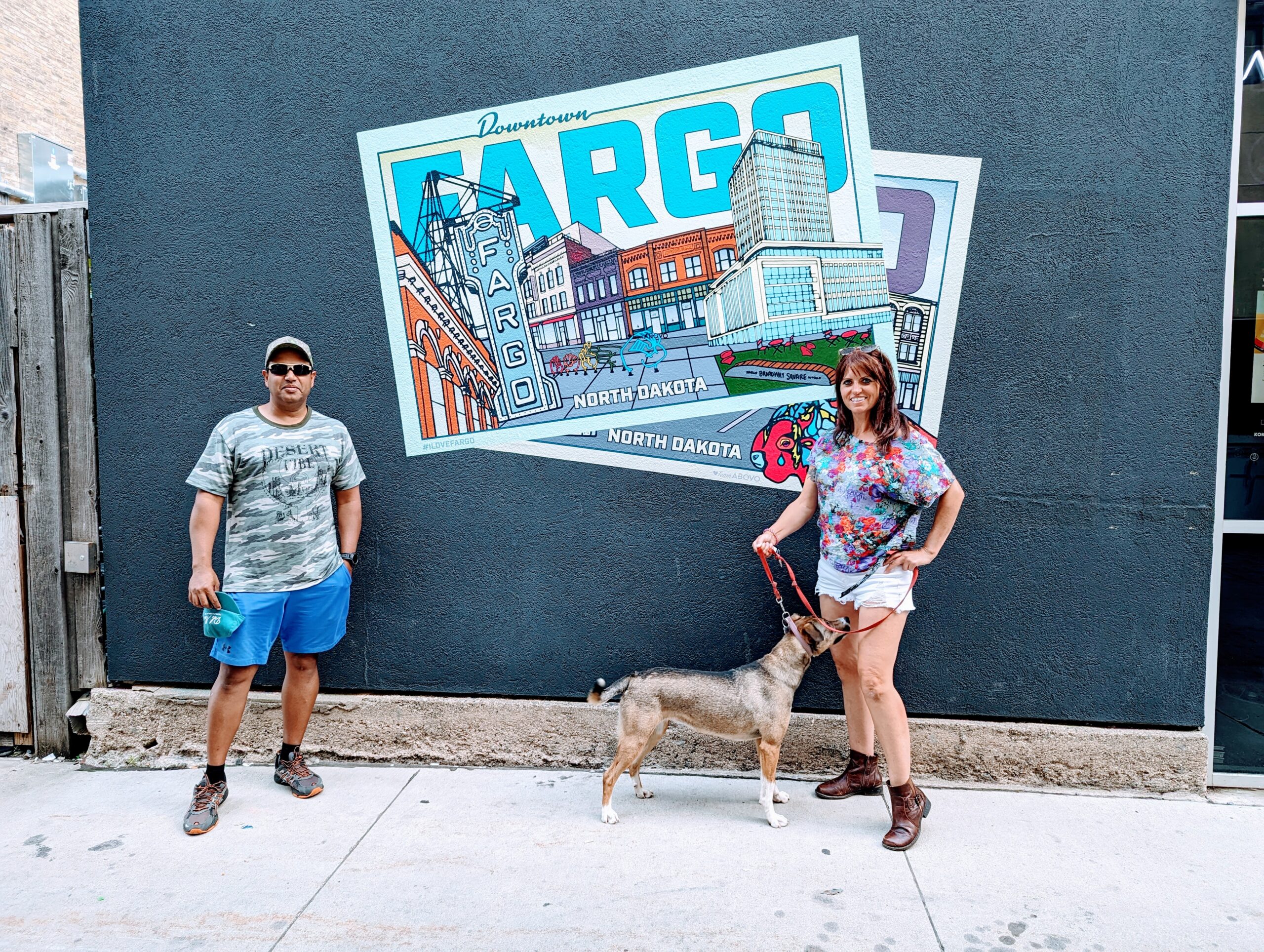
Hello. Stumbled on this article. Read the whole thing. Very enjoyable. Great pictures. So much I could say about all you wrote about. All wonderful. Only one thing, sorry. Not criticizing. Just letting you know dancing on the bridge was St. Louis river in jay cook park. A wonderful place. I lived 5 miles from there for years with my family. I now live in Fargo where I was born and raised. I am glad you got to see these places, Fargo not much compared to Duluth area. Then you also drove around superior and through upper peninsula. Looked like California plate on your jeep. I can’t imagine the wonderful things you have seen. Thank you for sharing them with people. I have saved your site and look forward to reading all your stories. I just looked back at date of your writing, you just posted it 3 days ago!!!!!!! Haha. I could have seen you in Fargo. Thank you again for sharing yours and your family’s adventures. So much more I could have written.
I have probably walked across that bridge close to a hundred times. Kids loved it. In 2012 a flood washed the bridge away, only the cables and rock towers were left. If you ever have time google and watch videos. Water was nothing like water you saw. Thank you again. Safe travels.
Just saw your bio below email, big bear. Yes you have seen beautiful.
Author
Yes, it was Jaye Cook State Park. We camped there a few days and it was such a wonderful place to stay in Minnesota! (Aside from the roads!) Thanks for the lovely comment and I hope you enjoy the future blogs of our travels!