Back in my formative years, you know, when we still had to tape our favorite shows on the old VCR, Mulder told me to “trust no one,” and I still abide by those wise words from my favorite sci-fi cult classic, The X-Files. Aliens, shady government operatives, strange lights hovering over the desert—trust no one. Apparently Mulder should have added one more category: strangers from the internet who desperately want to buy your twenty-year-old truck without seeing it, driving it or apparently caring whether it still has four tires. If you want to know how to avoid scams when selling a car, I recently received a firsthand education, and let me tell you, selling an older vehicle privately in 2026 feels considerably more dangerous than investigating extraterrestrials in rural New Mexico.
How to Avoid Scams When Selling a Car: Trust No One and Verify Everything
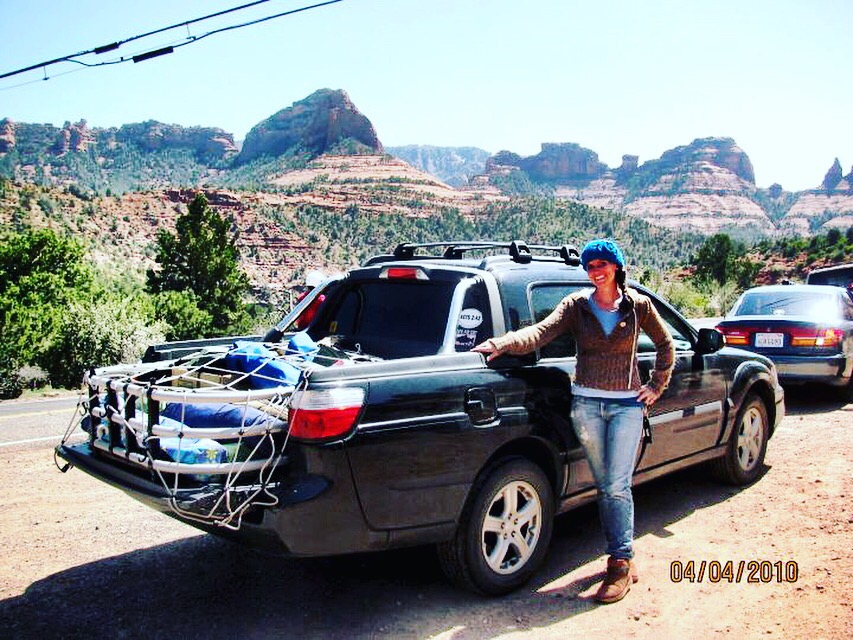
I was about two glasses into happy hour when the scammers really started blowing up my phone, which meant my stress level was rising at approximately the same speed as my sarcasm. We had to sell our truck that week, and that alone was soul-crushing. We loved this truck. We slept in the bed of it at 10,000 feet in the White Mountains, waking up with frozen toes but ridiculously happy because we were alive, camping and surrounded by the Eastern Sierra. We drove this truck on one of our first camping trips to Silver Lake fourteen years ago. We survived a freak windstorm that completely destroyed our tent while that truck sat there like, “See, dumbasses? This is why God invented hard-sided vehicles.” We towed our boat to Lake Mead with it, hauled camping gear all over California, drove it across the Mexican border multiple times for cheap margarita fun and drove down enough questionable dirt roads to make our insurance company break out in a nervous rash.

Selling this amazing 4X4 was absolutely a last resort, but desperate times occasionally call for desperate cash-producing measures. And if I was already emotionally traumatized by selling a vehicle full of memories, the last thing I wanted was to get scammed by some asshole sitting in a basement 7,000 miles away pretending to be Steve from Chicago. Nobody tells you how incredibly stressful it is to sell a used vehicle these days. You wash it, vacuum fourteen years of pine needles and dog hair out of it, photograph it from every flattering angle like you’re creating a Tinder profile for a Ford, research the price, write the listing and finally hit publish. Then, approximately eleven seconds later, your phone begins screaming.
“HELLO IS VEHICLE AVAILABLE?????”
Yes.
“WHY ARE YOU NOT RESPONDING TO ME?????”
Relax, bro. You texted me forty-seven seconds ago. You sound like a jealous boyfriend with a man bun.
One especially aggressive mystery buyer kept demanding to know why I wasn’t immediately answering him while I was literally watching the president address the nation. That certainly got my attention. You supposedly live in America, you’re urgently shopping for an old 4X4 at this exact moment, you have absolutely no idea what major event I’m referring to, you refuse to speak to me on the phone, you don’t actually want to see the truck and yet you are absolutely desperate for me to click some random link you sent me. And THAT is when Mulder’s little voice starts whispering in my ear again: Trust no one. Dear Ganesh in Chennai, yeah, you are so not in the good old U.S. of A right now, bro. Thank you for your attention to this matter.
Love, Big Bear Lake’s most sarcastic Jeep outdoor guide
How to Avoid Scams When Selling a Car to Strangers From the Internet
We tried the usual places for a private party car sale: Facebook Marketplace, OfferUp and Craigslist. Our personal experience with Craigslist was basically like throwing open the front door and shouting, “Does anybody here want to attempt fraud?” If you have ever wanted to meet every questionable human being with Wi-Fi access on the West Coast—and possibly several continents that are nowhere near the West Coast—list a vehicle for sale on Craigslist. If you enjoy wasting hours of your evening determining whether “Hello Dear Seller Kindly Respond Urgently” is an actual person who wants your truck, Craigslist may be the hobby you never knew you needed.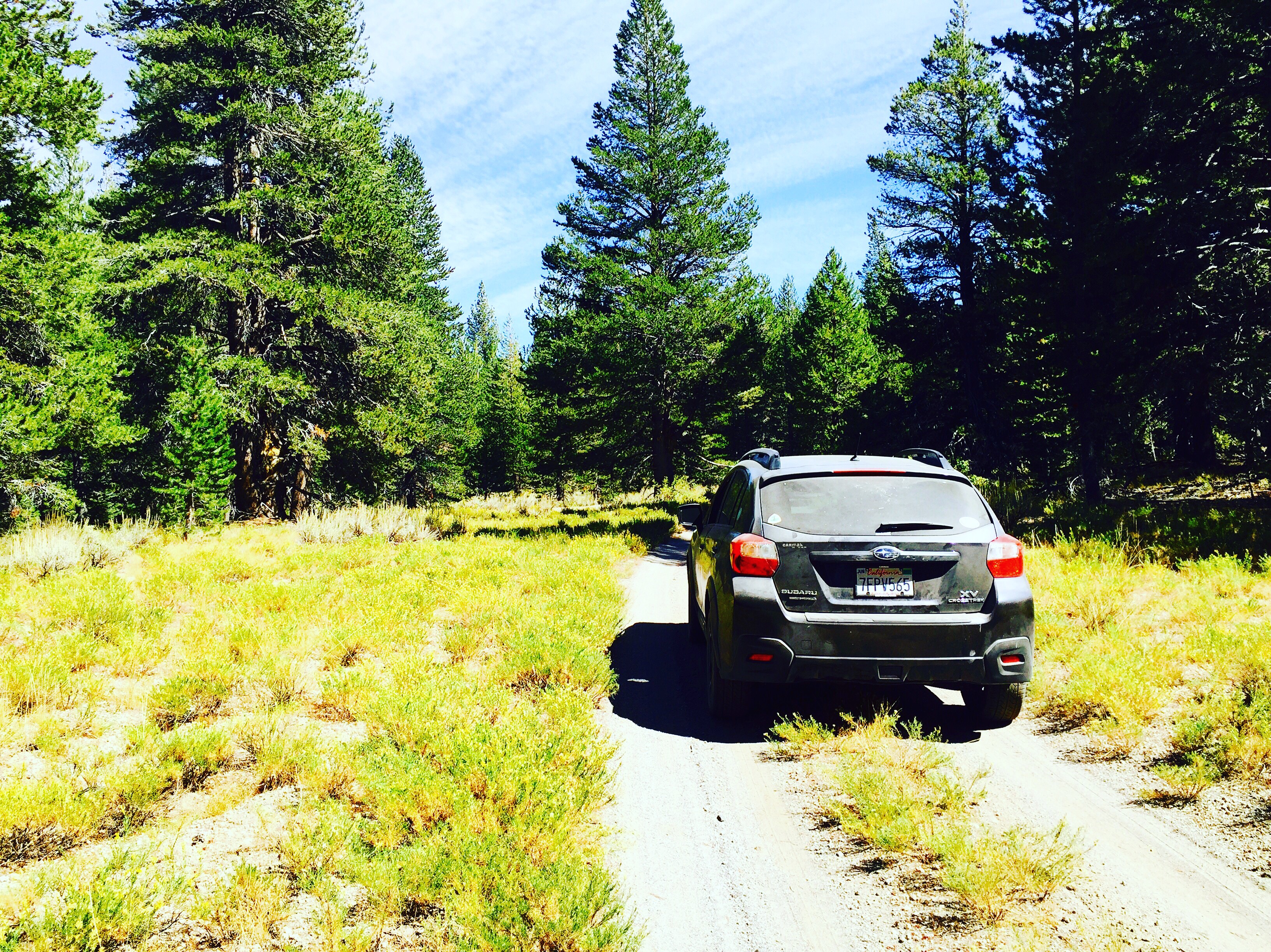
Obviously there are legitimate people shopping on Craigslist, but our particular truck listing attracted so many scammers that sorting through them became a part-time job, except without health insurance, vacation pay or free margaritas. Facebook Marketplace seemed considerably better for us because I could at least look at a profile, see whether there appeared to be an actual human attached to it and communicate through Facebook before immediately giving some stranger my phone number or home address. That certainly does not mean Facebook Marketplace car scams don’t exist. Fake profiles exist, hacked accounts exist and scammers absolutely target marketplace sellers. But in our case, Facebook produced far more conversations with people who seemed to understand basic concepts like geography, vehicles and human interaction.
Honestly, after a few evenings of this nonsense, I began to think the safest way to sell an older vehicle might be the exact same way everyone did it in 1994: clean it up, park it somewhere legally with good visibility, stick a giant FOR SALE sign in the windshield and wait for Larry from Arrowbear to call and ask how many miles are on it. No strange hyperlinks. No verification codes. No international banking arrangements. No “businessman from Chicago” desperately attempting to buy your truck while refusing to come within 2,000 miles of it. Unfortunately, we didn’t personally know anyone with a business in a perfect high-traffic location along the highway, so back to the internet trolls we went. Good thing I enjoy messing with assholes online.
The Vehicle History Report Scam: No, I Am Not Buying Your Weird Little Report
One of the biggest attempted used car scams we encountered involved vehicle history reports. The conversation would always start off completely normal. “I’m very interested in your truck.” Great! “I would like to come see it tomorrow.” Even better! “But first you must purchase this report from this website I am sending you.”
And there it is. No. Absolutely not.
The vehicle history report scam works because a fake buyer insists that the seller purchase a report from one particular website before they’ll come see the car. The seller is expected to click the link, hand over credit card information and purchase whatever questionable report the “buyer” has requested. Then, surprise! The buyer disappears faster than my motivation to do burpees.
My answer to every one of these people was simple: This is a private sale. This is not a dealership. I am selling you a truck, not financing your research project. If you want a vehicle history report, here is the VIN. You are perfectly welcome to purchase a legitimate report yourself.
There’s absolutely nothing suspicious about a real buyer wanting to investigate a used vehicle’s history. I would do exactly the same thing. The red flag is when someone you’ve never met insists that YOU must go to THEIR specific website and enter YOUR credit card number before they’re willing to even look at your vehicle. Sir, if you are supposedly preparing to hand me thousands of dollars, surely you can invest a few bucks into doing your own research.
And what makes me sad is that these scams obviously work or scammers wouldn’t keep trying them. Somewhere there is a perfectly nice person selling Dad’s old car who clicks that link because the “buyer” seems serious. Maybe she isn’t internet-savvy. Maybe she’s never sold a vehicle before. Maybe she simply assumes people aren’t enormous pieces of shit. Then suddenly her credit card information is floating around somewhere and Igor is buying twelve PlayStations, a Louis Vuitton tracksuit and forty-seven gallons of protein powder with her Visa.
Meanwhile, I’m sitting at happy hour telling these people to kindly piss off.
The Fake Check Scam: Congratulations, Apparently My Truck Has Been Sold to Chicago
Then came my favorite group: the people who wanted to buy the truck with a business check. I had multiple supposed buyers tell me they were located in Chicago and would mail me a business check immediately. I should simply delete the advertisement and “consider the truck sold.”
Really?
You don’t want to see it first?
No.
You don’t want to drive it?
No.
You don’t want your mechanic to inspect it?
No.
You don’t even want to hear the engine running?
No.
You would simply like to mail thousands of dollars to some random woman in Big Bear Lake and send a mysterious transportation company to collect the vehicle? My goodness. What a trusting nation we have become.
This is one of the classic fake check scams when selling a car. Sometimes the scammer even sends a check for MORE than the purchase price and then explains that, whoopsie, there’s been a little accounting mistake. Could you please deposit the check and send the extra money to the shipping company? Of course, the shipping company is either fake or controlled by the same scammer. Eventually, the bank discovers that the check itself is fraudulent, the fake funds disappear from your account and the real money you sent somewhere else is very much gone.
This is why you should never assume that because money from a check temporarily appears in your bank account, the payment has cleared and everything is fine. Fraudulent checks can take time to unravel. And if some stranger “accidentally” sends you several thousand dollars too much and desperately wants you to return the difference, congratulations—you have not encountered the world’s most generous idiot. You have encountered the plot.
The farther we got into happy hour, the more entertaining these conversations became for me. One guy swore repeatedly that he lived in Chicago, so naturally I started making Chicago references. Nothing. I tossed out another joke. Nothing. Now, failing to appreciate my comedy certainly does not prove you’re actually sitting in Mumbai running a scam operation. Plenty of Americans have terrible senses of humor. But when you supposedly live in Chicago, refuse to speak on the phone, won’t meet me, don’t want to see the vehicle, don’t care about anything mechanical and somehow every conversation circles back to your business check, my inner Scully is already preparing the autopsy.
A legitimate buyer spending thousands of dollars on an older truck usually has questions. How many miles are on it? How old are the tires? Does the air conditioning work? Has it ever been in an accident? Is there rust? Can I test-drive it? Can I have my mechanic look at it? A scammer is often strangely uninterested in the giant expensive machine they supposedly cannot wait to purchase. They don’t care about the transmission. They don’t care about the tires. They apparently don’t even care whether there is an engine under the hood. They just really, really care about your email address, banking information, verification codes and ability to click hyperlinks.
That seems suspicious.
Never Give Some Random Stranger Your Verification Code
Another incredibly common trick when selling a used car safely online involves verification codes. Someone contacts you and says they need to make sure YOU are a legitimate seller. They are going to send a verification code to your phone, and you just need to give that code back to them.
No. That code is being sent to YOU because it is designed to verify YOU.
There is absolutely no legitimate reason Bob from Facebook Marketplace needs the private security code Google just texted to your telephone so he can inspect your Toyota. Think about that sentence for approximately three seconds.
Do not share verification codes with strangers. Not with your buyer. Not with your buyer’s “bank.” Not with his cousin. Not with his transportation company. Not with some mysterious woman named Sally who suddenly enters the conversation and claims to be handling payment. If a stranger needs the private security code being sent to your phone, he is almost certainly trying to gain access to something that belongs to you.
The same principle goes for random links sent by supposed buyers. You do not need to log into your bank through a stranger’s payment link. You do not need to “upgrade your account” to receive money. You do not need to pay a fee before someone can pay you. And you absolutely do not need to send money in order to receive money.
How to Safely Meet Someone Who Actually Wants to Buy Your Car
Eventually, beneath the scammers, trolls, fake Chicago businessmen and people desperately concerned about obscure vehicle history reports, you will hopefully encounter an actual person who wants to buy your car.
This presents a whole new challenge: You have to meet a stranger from the internet while possessing both a valuable vehicle and the knowledge that humanity occasionally produces serial killers.
Whenever possible, meet potential buyers in a public, populated location rather than immediately inviting them to your home. Some police departments have designated safe-exchange areas specifically for online transactions, and busy bank parking lots can also be useful. Obviously, selling a vehicle is more complicated than selling a used coffeemaker because the buyer needs to inspect it and probably test-drive it. Verify their driver’s license and make sure you’re comfortable with the insurance situation before handing over the keys.
And no, I would not let someone you’ve never met jump into your truck alone and announce, “I’ll be right back.” This is not Ferris Bueller’s Day Off. I’m coming with you.
On the other hand, if a serious buyer wants to have a mechanic inspect the vehicle, I would consider that a positive sign. That’s what normal people do when spending thousands of dollars. They inspect things. They ask questions. They notice that tires cost approximately the same amount as a small Caribbean vacation these days.
The guy who refuses to inspect your truck but desperately needs your checking account information is considerably less reassuring.
Cash Is Wonderful Until Someone Hands You Thousands of Dollars in a Parking Lot
Many private vehicle sales are still completed with cash, which sounds wonderfully simple until someone actually hands you a giant stack of hundred-dollar bills and suddenly you feel like you should be looking over your shoulder for DEA agents.
If you’re accepting a large cash payment, counterfeit-detection pens can be useful, but I would not rely on one cheap marker alone. Current U.S. currency has multiple security features you can check, and for a substantial transaction, meeting at a bank during normal business hours can make things much easier. You can have the cash counted and immediately deposited rather than driving home through San Bernardino County with ten grand stuffed into your handbag.
Because nothing says relaxing private car sale like sitting at a stoplight clutching your purse and staring suspiciously at everyone in the next lane.
Cashier’s checks also require caution. People hear “cashier’s check” and assume it is some magical fraud-proof piece of paper delivered by financial angels. Fake cashier’s checks exist. If that’s the agreed payment method, meeting the buyer at the issuing bank and verifying the transaction directly is considerably more comforting than accepting a mysterious check in a gas station parking lot at 7:30 on a Sunday night.
Whatever method you use, do not hand over the signed title and keys until you are satisfied that you have actually received legitimate payment. That sounds like painfully obvious advice, but so does “don’t eat Tide Pods,” and apparently humanity needs reminders.
Selling a Used Car in California Means Paperwork—Because Of Course It Does
Since we’re in California, surviving the scammers is only part one of this adventure. Part two is paperwork, because California has never met a simple transaction it couldn’t improve with another form.
When selling a vehicle privately in California, make sure you properly complete the title transfer requirements and check whether your particular vehicle requires a current smog certification. After the sale, the seller should also submit the Notice of Transfer and Release of Liability to the California DMV within the required timeframe. That last part is important.
You do not want to successfully survive the vehicle report scam, the fake check scam, Craigslist and Vladimir from Chicago only to discover six months later that the truck’s new owner has collected seventeen parking tickets and somehow California still thinks the vehicle belongs to you.
Complete the paperwork correctly, keep copies of the documents you’re entitled to retain and make sure the odometer reading, sale date, buyer information and sale price are properly documented. A bill of sale is also a smart part of a private party vehicle sale because everyone has a written record of exactly what was sold, when it changed hands and for how much.
The Part About Used Car Scams That Isn’t Funny
What actually bothers me about all of this is knowing that people fall for these scams every single day. That’s why scammers keep doing it.
Somewhere there’s an older person selling a spouse’s car after they died. Somewhere there’s a family that desperately needs money and doesn’t have time to research every buyer. Somewhere there’s somebody who has never used Facebook Marketplace before and thinks the man insisting on a vehicle report sounds perfectly reasonable.
They click the link.
They deposit the check.
They send back the overpayment.
They give away the verification code.
They sign over the vehicle.
And suddenly selling an old car didn’t just cost them a piece of their history. It cost thousands of dollars.
That’s why  learning how to avoid scams when selling a car actually matters. You don’t have to believe every human being contacting you is a criminal mastermind. You just need to make yourself slightly harder to scam.
Trust your instincts. Ask questions. Talk to the buyer. Meet them safely. Let serious buyers inspect the vehicle. Don’t click random links. Don’t share verification codes. Don’t purchase strange reports because someone insists you must. Be extremely cautious with checks. Never send back an alleged overpayment. Verify that the money is real before signing over your title. Complete your DMV paperwork immediately.
Eventually, you will find a real buyer. Eventually somebody will come look at the vehicle, ask normal questions, drive it, negotiate the price and actually pay you real money. And eventually you’ll watch that truck you loved pull away with someone else behind the wheel. That part sucks too.
Because scams aside, selling an older vehicle you’ve had for years can genui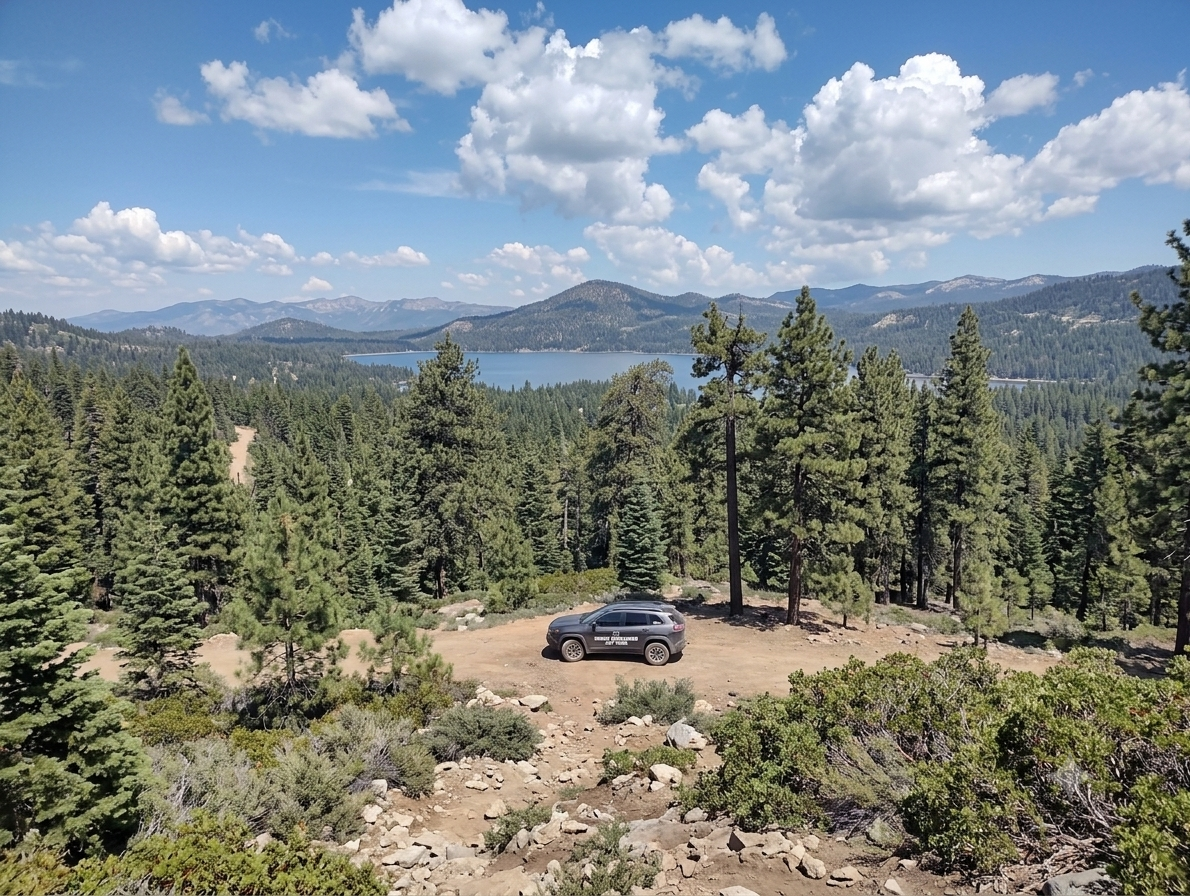 nely feel like saying goodbye to an old friend. That Jeep held camping gear, frozen toes, dogs, boat trailers, terrible weather, ridiculous road trips and fourteen years of stories.
So yes, perhaps Mulder was right. Trust no one. At least until the payment clears, the paperwork is completed and your beloved 4X4 is disappearing down the highway with its new owner.
Then go directly to happy hour. You earned that shit.