
“Save the Bets, Save the Barns: Why California Horse Racing Isn’t Your Villain — 
It’s Your Neighbor’s Paycheck”
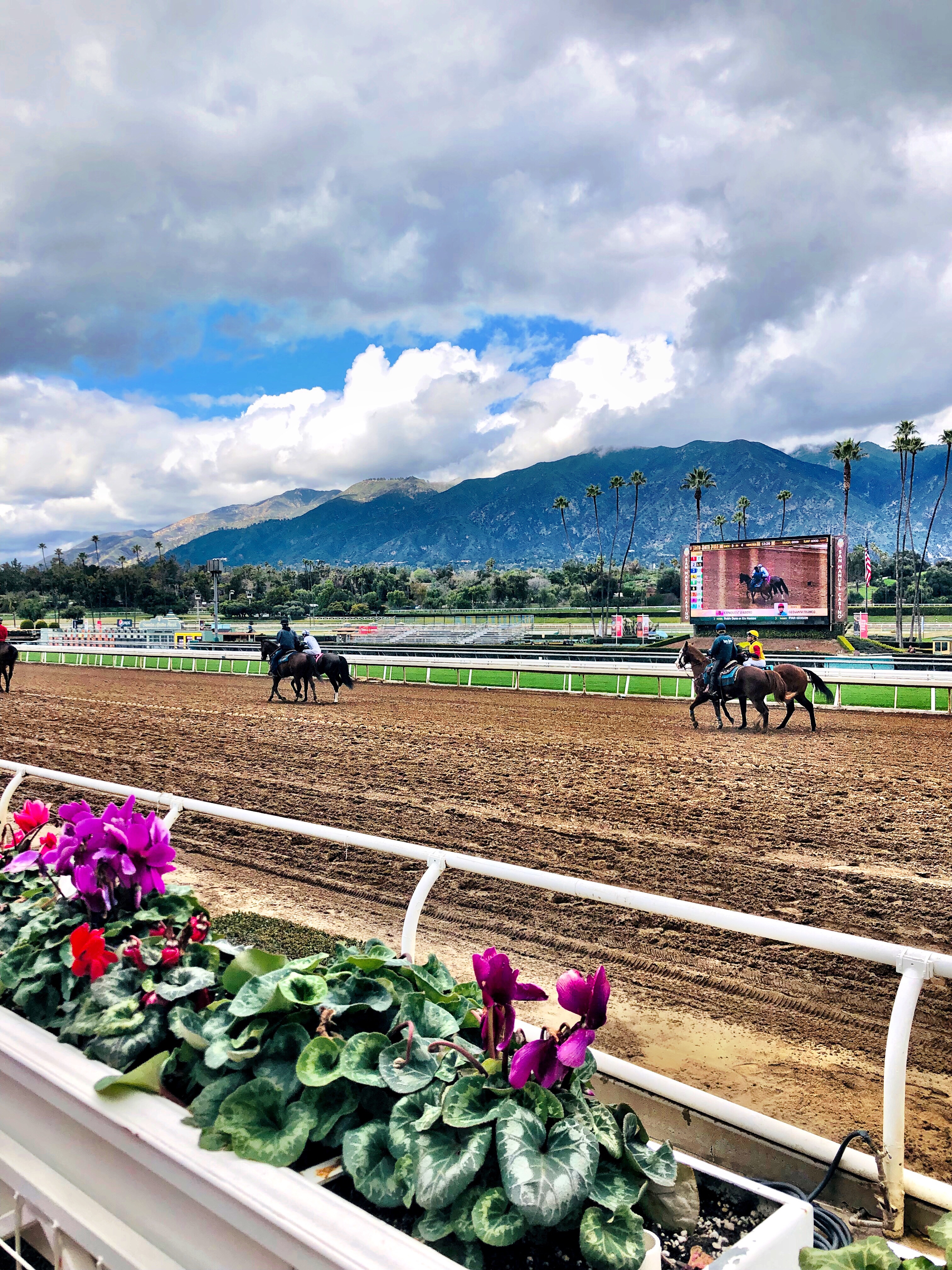
If you’ve ever cruised past Santa Anita Park and thought, “Fancy hats, boujie people, horses, got it,” allow me to gently nudge you toward actually stepping inside—because the racetrack atmosphere is far more interesting than it looks from the 210 freeway.
When you walk into Santa Anita Park’s gorgeous flower-filled front gardens, past that life-sized statue of past race horse champion John Henry and enter the mint green art deco grandstand, what you don’t see from the third floor is the beating heart of this industry: More than 3,000 workers who wake up before dawn, scrape manure, walk miles of shedrows, bathe 1,200-pound animals, wrap legs, clean stalls, hand-feed grain, and — yes — whisper to horses like they’re family. “Would you prefer acupuncture today or a massage, you beautiful 1,000-pound beast?”
If Horse Racing Dies in California, Who Really Suffers?

Let me start by saying this: I live for a good, useful pair of gently recycled Ugg hiking boots. This is how I accessorize. But you know what doesn’t look good on anyone? Homelessness.
And yet, if you listen to the so-called “radical left” — who seem to believe Thoroughbreds are just very large, very fast lawn ornaments — that’s exactly where we’re supposedly headed. If horse racing ceases to exist in California and across this great country of ours that is going to leave a lot of individuals and their families already living so far below the poverty line, homeless.
Grooms, Glitz, and the Taxman: A Descent from the Winner’s Circle to the Unemployment Line
I love this industry with a passion most Americans will never feel for their workplace. This isn’t just a job to me — it’s a calling, a community, and for many of us, a family.
We are horse racing

That was our rally cry back in 2019, when liberal groups such as PETA and Horse Racing Wrongs were loudly trying to dismantle the sport altogether. I was already writing about homelessness in Los Angeles, then hovering around 59,000 people. Fast forward to 2026, and that number has ballooned past 75,000. Apparently, Governor Newsom’s plan for “solving” this was to look at the Santa Anita backstretch—where 80% of the grooms and hot walkers literally live with the horses they adore—and say, “You know what this city needs? More people living in tents.”
I hated Gavin Newsom before it was cool. Back in 2019, he was just that dick in Sacramento with nice hair who looked a bit like Patrick Bateman from American Psycho. Hey, I love Brett Easton Ellis as much as anyone; however, Governor Hairgel had a secret perogative; he single-handedly tried to take down the Sport of Kings in California. What a douche.

Eighty percent of the grooms and hot walkers at Santa Anita Park actually live on the backstretch — often alongside the horses they care for daily. These are not wealthy gamblers or hedge-fund hobbyists. Many are immigrants from impoverished regions of Central America. They are the backbone of this industry, and they are already living on the edge.
I know this because I lived this life.
For fifteen years, I worked in horse racing — and I loved going to work every single day. I cooled out the horses after morning workouts. Later in my horse racing career, I hosted CEOs and executives in the VIP suites. I worked as a professional handicapper, teaching people how to bet intelligently and, ideally, win. Sports betting wasn’t a casual pastime for me — it was part of my livelihood.

Whether you were a jockey, a camera operator, a groom, or a marketing professional like me, there was pride in the work. We believed in the sport.
But today, that future looks bleaker than a pair of knockoff Ugg hiking boots.
The gambling provisions buried inside the One Big Beautiful Bill introduce what many of us call a phantom tax — taxing wagers in a way that effectively penalizes bettors even when they lose. Implemented on January 1, 2026, this change threatens to strip the remaining oxygen from an industry already fighting to survive.
The WAGER Act: Because “Phantom Income” Should Only Exist in Haunted Mansions
And the irony? This is the same industry that banded together in 2019 when activists and the media came for us. Rival trainers stood shoulder to shoulder. Jockeys, grooms, grandstand workers — even little guys like me — showed up. We were mocked, shouted down, and dismissed. Liberal hate groups like PETA paid homeless people to come out to their protests at our front gates. But we stayed, we endured, because we love the horses and the sport.
Six years later, we’re still here. Still struggling. Still asking to be heard.
So let’s talk numbers — because critics love numbers, right up until the moment they prove inconvenient.
Nationally, the U.S. horse industry isn’t just a “hobby.” It’s a $122

billion-dollar powerhouse supporting 1.7 million jobs.
In California alone, the California Golden Goose: Racing in California alone is a $2.5 billion sector.
When the Breeders’ Cup comes to town — like it recently did at Del Mar — it injects roughly $150 million into the local economy in just 48 hours. That’s a lot of hotel rooms, overpriced lattes, and tax revenue that keeps your suburban property taxes from skyrocketing. This isn’t nostalgia. It’s math.
And when policymakers get the math wrong, real people pay the price — not in headlines, but in lost jobs, lost housing, and one more tent added to a city already overwhelmed.
A “Big Beautiful” Disaster: Why the IRS Wants Your Prada Bag (and Your Pony)
Enter the “One Big Beautiful Bill” (OBBB). Honestly, who names these things? It sounds like a skincare line sold on late-night infomercials, but it’s actually a legislative dumpster fire. This bill is supposedly “beautiful” for the economy, yet it contains “discrepancies” large enough to fly a Boeing 747 through.
I’ve spent years in the racing industry, and I’ve never seen a bigger threat to the industry than the “One Big Beautiful Bill.” There might be some good stuff in it, but it’s not beautiful for horse players. For degenerate gamblers like me, it’s a legislative dumpster fire that punishes horse players and threatens the 37,000 jobs our sport supports in California alone.
When the Breeders’ Cup brings $150 million to our local economy, we don’t say “No thanks.” So why are we letting “Phantom Income” taxes drive bettors away and kill our tracks?
As a Republican woman who will not be shut up, I’m calling out the discrepancies and demanding we pass the WAGER Act. Read my latest take on why we need to save the sport we love.
Let me be clear: there is a lot of good in the One Big Beautiful Bill, and as a Trump supporter, I support the bill overall. But supporting something doesn’t mean pretending it’s perfect. There are real gaps here—sections that feel rushed, incomplete, or disconnected from the real-world consequences—and it’s not disloyal to say so. It’s responsible. If we want good policy actually to work, we have to be willing to talk honestly about where it falls short.
If you think “Phantom Income” so unds like a cool Netflix thriller, think again. It’s actually the IRS taxing you on money you lost at the track. The OBBB is a disaster for horse racing, and I’ve got the breakdown you need to read.
For instance, the OBBB is trying to cap wagering-loss deductibility at 90%. In what world is that “fair”? As a horseplayer, if I lose $1,000 but somehow “win” $800 on a lucky trifecta, the IRS wants to tax me on the “winnings” while ignoring the fact that I’m still down $200. It’s called Phantom Income,
and it’s the only thing scarier than realizing your cat just threw up on your favorite Maxwell Romper.
California’s horse racing industry generates about $11.6 billion in total economic value every single year. The racing portion alone contributes around $2.5 billion and directly supports nearly 37,000 jobs in this state. Nationally, the broader horse industry pumps roughly $102 billion into the U.S. economy and supports about 1.4 million full-time jobs, with racing responsible for approximately 146,000 of them.
The WAGER Act Explained: Why Fair Tax Rules Matter for Horses, Tracks, and Workers
But sure. Let’s just shrug and accept a few “minor discrepancies” in the Big Beautiful Bill — discrepancies that would require horse-racing degenerate gamblers like me to be taxed even on our losses. If the WAGER Act doesn’t pass, this may well be the final nail in horse racing’s coffin. What could possibly go wrong?
And no, this isn’t a dram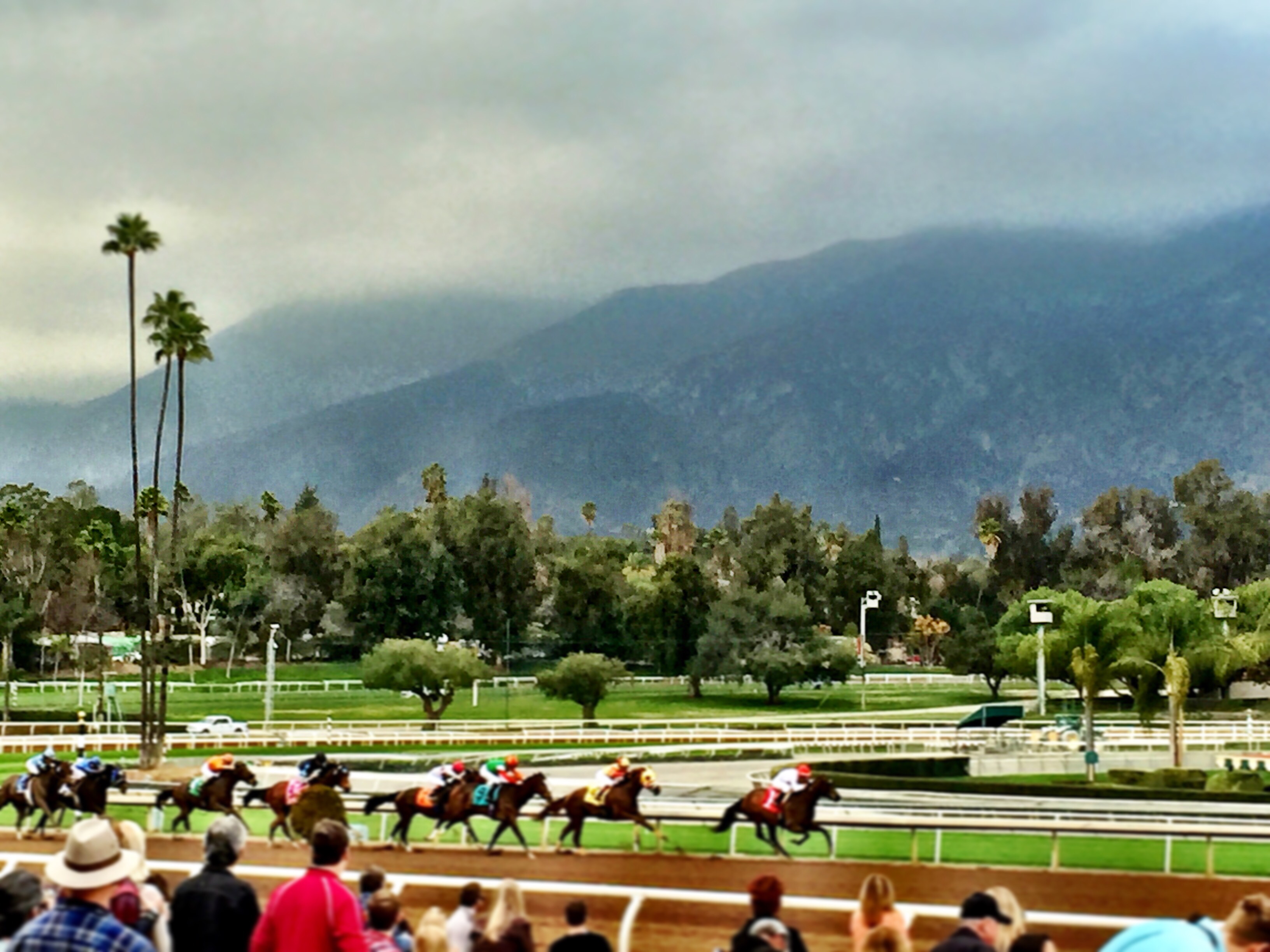 atic fantasy. If California horse racing disappears — which becomes a very real possibility once betting is taxed into oblivion — the fallout isn’t theoretical. Those 3,000 backstretch workers at Santa Anita Park don’t just lose a pastime. They lose their livelihoods.
Zoom out, and the damage compounds fast. Between breeding farms, training centers like San Luis Rey, and racetracks such as Del Mar, Los Alamitos, and Cal Expo, the collapse of California horse racing would put tens of thousands of Californians out of work.
Many of these workers are already living on the edge — housed in a racetrack backstretch

accommodations, scraping by, and relying on support from organizations like the Winners Foundation just to stay afloat.
Los Angeles already has more than 59,000 people experiencing homelessness. Adding thousands more displaced stable workers to that number doesn’t feel like progress. It feels like a humanitarian own goal.
What Is the WAGER Act? (And Why It Matters)
Now, let’s talk about the WAGER Act, since everyone seems to have an opinion about it — mostly people who have never placed a bet in their lives.
Right now, the IRS can tax horseplayers on “phantom income.” Translation: you can lose money at the track and still get taxed as if you won. That’s like taxing you for money you thought about earning. The WAGER Act simply restores fairness by allowing bettors to deduct 100 percent of their wagering losses. Not a loophole. Not a handout . Just basic sanity.
Without wagering, there is no racing. Without racing, there are no purses. Without purses, there are no owners, trainers, or jobs. And without jobs? You guessed it — fewer people caring for horses, fewer local dollars spent, fewer tax revenues, and more boarded-up tracks.
When Santa Anita Park hosted the Breeders’ Cup, it wasn’t just a fancy weekend of elite racing. The event has been estimated to generate over $100 million in local economic impact when held in California — hotels booked, restaurants packed, flights sold, seasonal jobs created, and real money circulating through the region. Horse racing fans, horse owners and breeders fly from all over the world to attend the Breeders’ Cup.
Yet somehow, we’re supposed to believe that letting this industry crumble is “compassion.”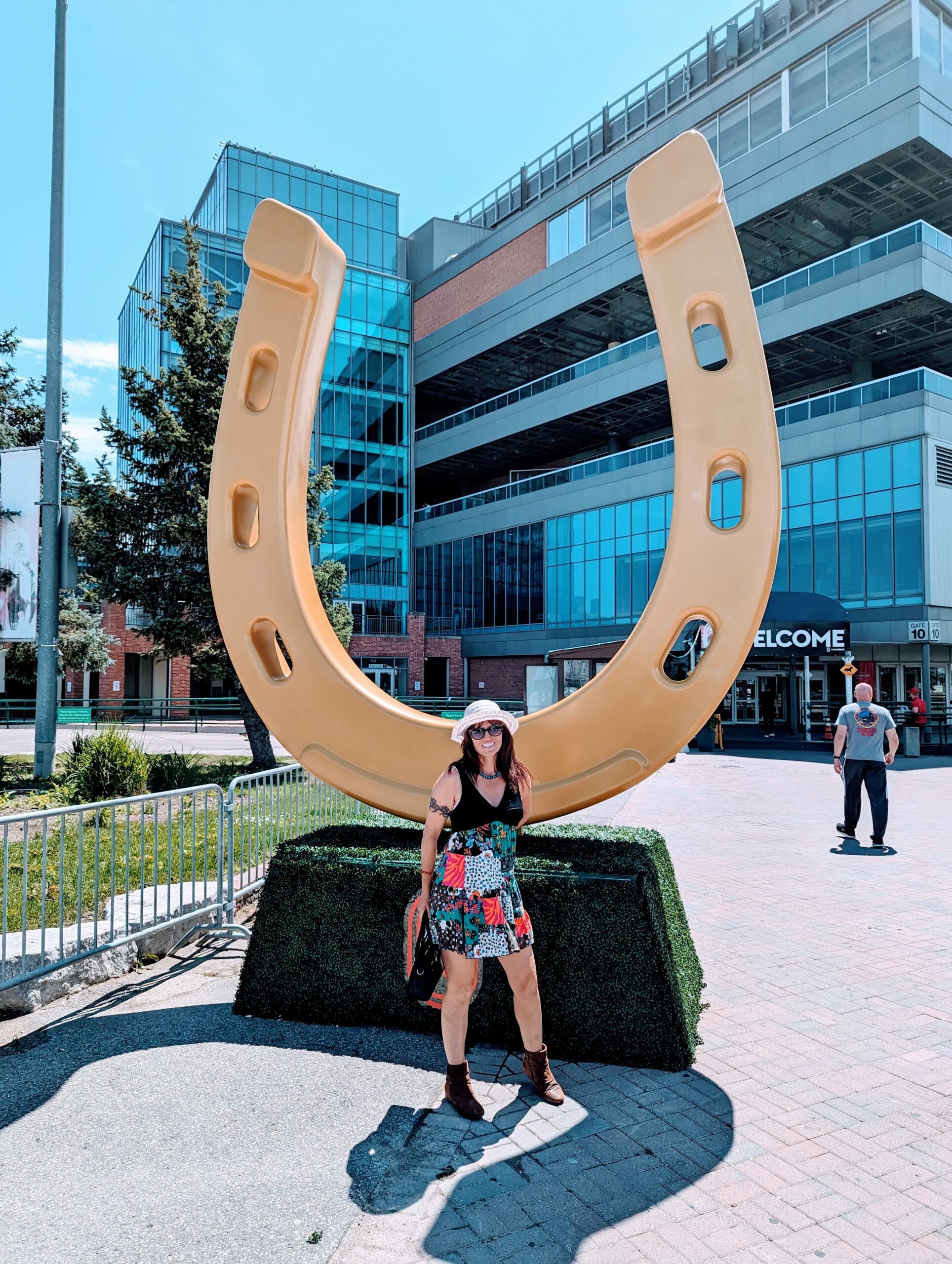
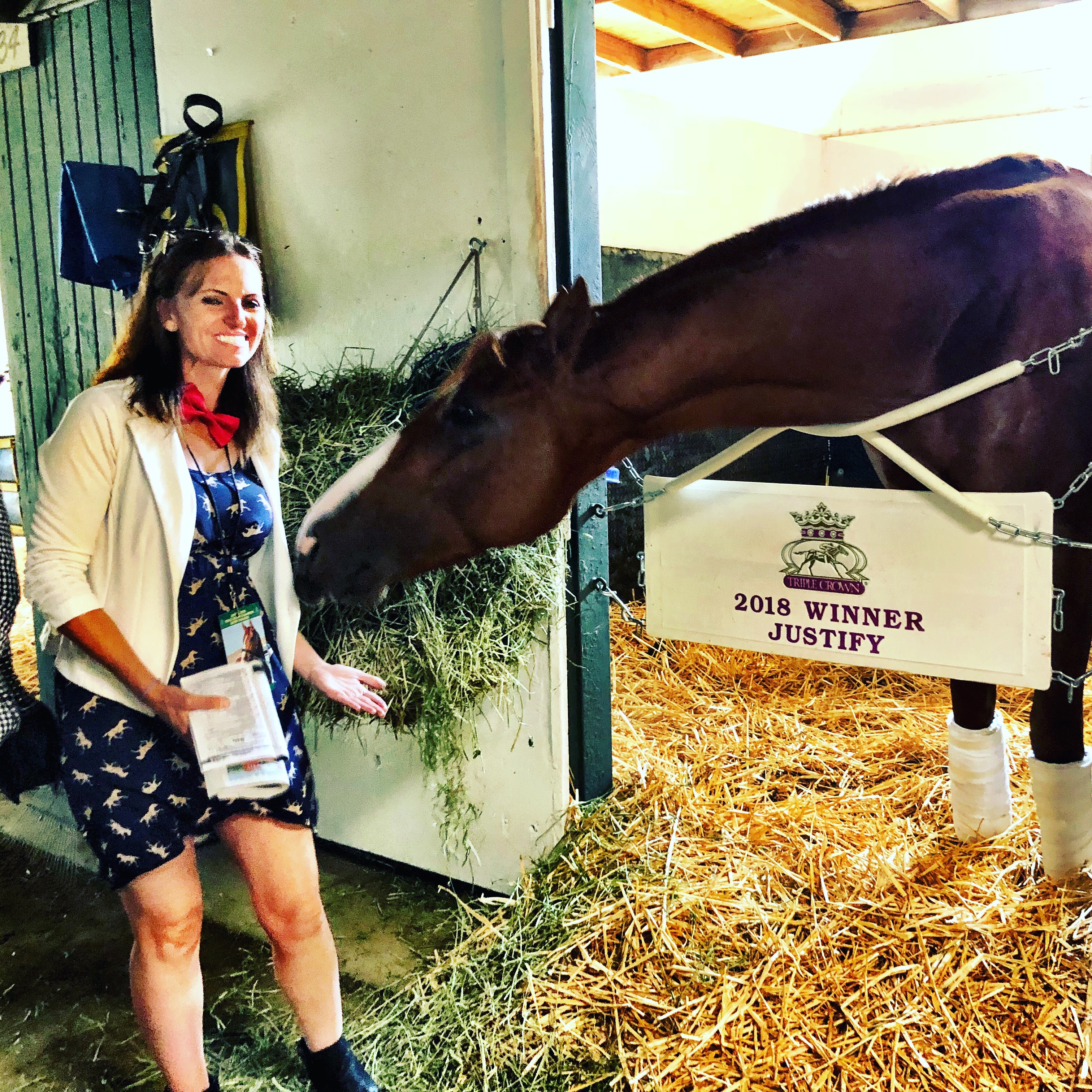
Here’s the part the radical critics ignore: walk through any barn at Santa Anita and you’ll see horses being bathed daily, getting veterinary care, receiving acupuncture, being hand-walked, petted, hugged, and doted on like celebrities. These animals are not machines — they are athletes loved deeply by the people who care for them.
The Fix: Pass the WAGER Act
The only way to stop this “Big Beautiful” disaster is the WAGER Act. It’s the only thing standing between us and a world where Santa Anita becomes a luxury condo development with “equine-themed” wallpaper. The WAGER Act restores the 100% deduction for losses. It ensures that bettors are taxed on actual profit, not the money they’ve already lost to the track.
If we don’t pass this, the industry—already reeling from the closures of tracks like Golden Gate Fields—will continue to fold like a cheap lawn chair. And frankly, I don’t look good in a lawn chair. I look good in the Turf Club with a winning ticket in one hand and an extra dry martini in the other.
So, unless our California Senators and U.S. represenatives, wants to add another thousand hardworking grooms to the 75,000 people already on the streets, they needs to stop the “Big Beautiful” nonsense and get behind the WAGER Act. Because let’s be real: horse racing isn’t just a sport. It’s a livelihood. And I, for one, refuse to see it send to the glue factory.
If you love horse racing the way I do, contact your state representatives. Contact your state legislators. And if they just have an intern call you back, reach out to your congressman. Use this link to find representatives in your state. Keep harping on the issue. Share with your friends and family on social media, even if your neighbor tells you you are a cold-hearted bitch for supporting horse racing.

Betting on a Miracle: How California’s Favorite Pastime Got Handed a Losing Ticket
Since the “One Big Beautiful Bill” (OBBB) is essentially trying to treat your losing tickets like a luxury tax, we need to act faster than jockey Edwin Maldanado on a Thoroughbred out of the gate. Starting January 1, 2026, the IRS is officially authorized to tax you on 10% of your losses. Yes, you read that correctly. You lose, and then you pay for the privilege of losing. It’s like being ghosted by a date and then being sent the bill for their Coconut Shrimp.
The WAGER Act (H.R. 4630) is the only thing that restores the 100% deduction and keeps the industry from collapsing into a pile of “For Sale” signs. Here is how you can tell Sacramento and D.C. to keep their hands out of our tack boxes:
1. Email the People Who Make the Rules
Don’t just scream into the void (or at FanDuel TV during the fourth race). Direct your “righteous indignation” to the Assembly Governmental Organization Committee, which oversees horse racing in California.
Assembly Committee Phone: (916) 319-2531
2. Support the “Horse Power” Coalition
The California Horse Power Coalition is the frontline defense for our backstretch workers and the 37,000 jobs currently at risk. They are the ones making sure Governor Newsom and our state assembly crew remember that Thoroughbreds are a $2.5 billion economic engine, not just pretty animals for the 1%.
3. Tell the NTRA to Keep Fighting
The National Thoroughbred 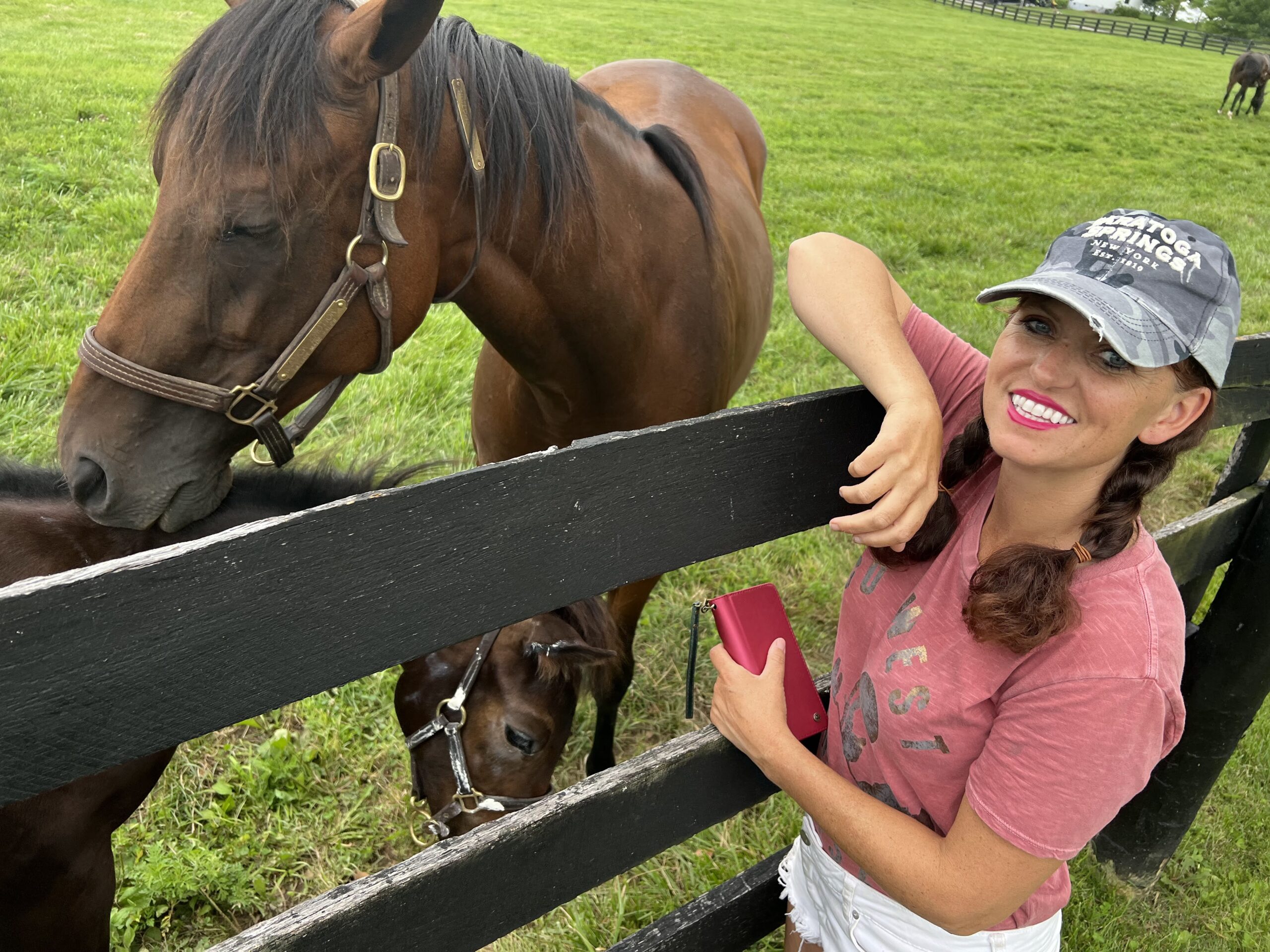 Racing Association (NTRA) is leading the charge on the federal WAGER Act. Use their action center to send a pre-written letter to your specific representative in about thirty seconds—less time than it takes to pick a loser in a maiden claimer. Take Action and write that email today!
If we don’t pass the WAGER Act, the only “Beautiful” thing about that bill will be the view from the window of the unemployment office. Let’s keep the horses running, the grooms housed, and the IRS away from our “Phantom Income.”
Horse racing is not perfect. No industry is. But it is populated by real humans who love their jobs, love their horses, and love a sport that has existed for centuries. And for people like me? The track isn’t just a workplace. It’s home.
If California lets this industry die, it won’t just be gamblers who lose. It will be grooms, hot walkers, trainers, jockeys, vets, farriers, feed suppliers, tack shops, photographers, analysts, marketin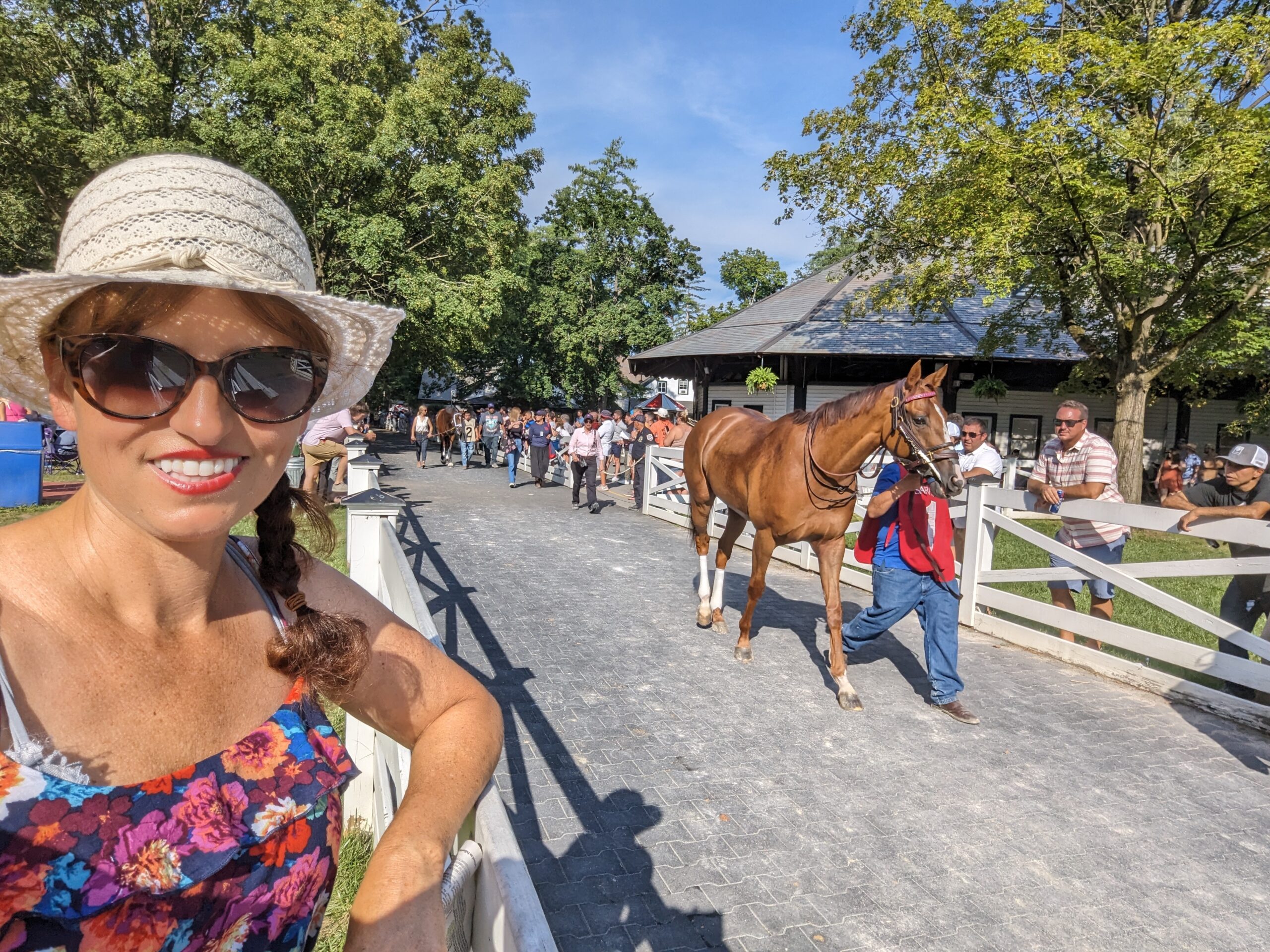 g teams, concession workers — and yes, even the “little guys” like me who cool down horses after races because we care about them.
So the next time someone tells you horse racing should disappear, ask them this:
Whose job are you willing to eliminate?
Whose home are you willing to take?
Whose horse are you willing to abandon?
Because that’s what’s actually on the line.
