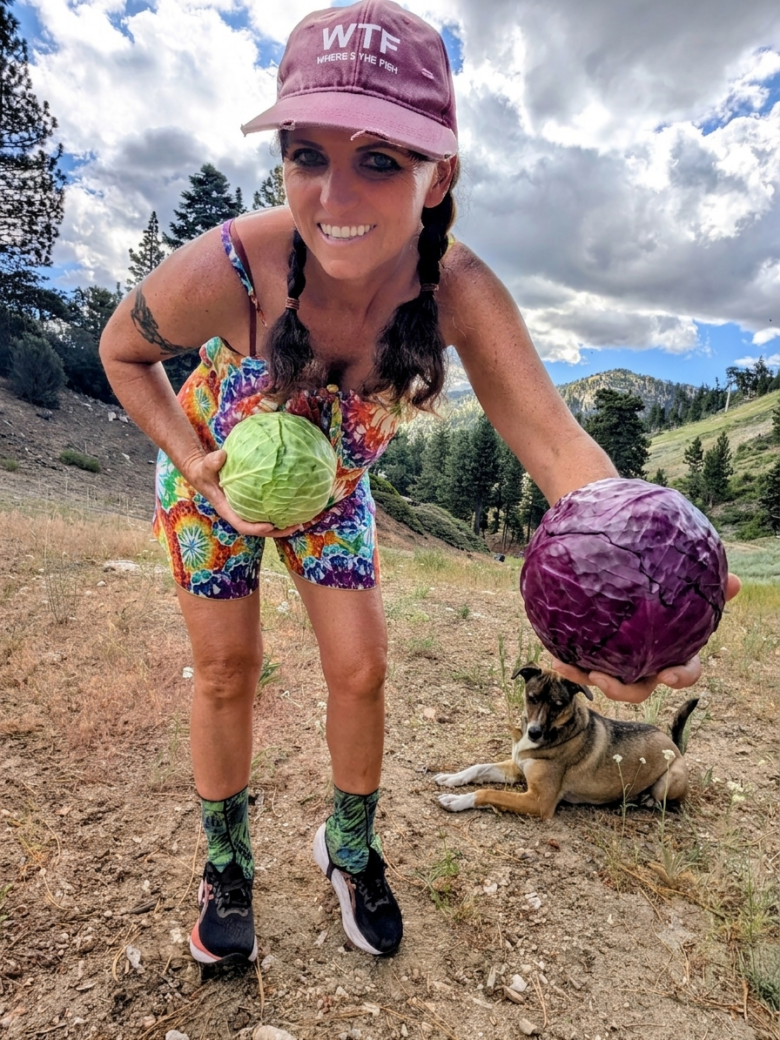
 I personally will never be terrified of cruciferous vegetables, no matter what the government tells me. You can take my dignity, but you cannot take my cabbage! She announced dramatically before throwing out her knee while rising from the toilet.
Hi, did I mention I am almost forty-six years old? Apparently, this means I can hike ten miles through the mountains, guide tourists over rocky trails and wrestle a Jeep down a rugged forest road, but standing up after a perfectly ordinary bathroom visit now requires the athletic preparation of an Olympic powerlifter. One moment you are reaching for the toilet paper, and the next you are wondering whether Kaiser will approve an emergency knee replacement caused by excessive enthusiasm.
Middle age is magical.
It is also apparently a dangerous time to enjoy a salad. Who knew we would be living through an era when every few weeks another terrifying headline warns us to step away from the lettuce, coleslaw or other healthy vegetables because some microscopic stomach terrorist may be hiding between the leaves? We spent decades being told to eat more vegetables. Now those same leafy greens may allegedly fight back with explosive gastrointestinal consequences.
Government nutrition advice has become the world’s least enjoyable game show.
“Would you like the heart disease behind Door Number One or the recalled salad kit behind Door Number Two?”
This is one of those moments when I am extremely thankful that we grow our own lettuce and cruciferous vegetables at home and in our community garden. I know where my cabbage has been. I know who watered it. I know which squirrels have probably insulted it. More importantly, it has not spent three weeks traveling across state lines inside a refrigerated truck before arriving at a grocery store looking like it needs hydration.
Growing my own cabbage also gives me an excellent excuse to make this Raita Coleslaw, an Indian-inspired coleslaw packed with crunchy vegetables, creamy yogurt, fragrant spices and sweet bites of fresh fruit. It is the kind of healthy summer side dish that makes ordinary coleslaw seem like it has spent its entire life eating mayonnaise in a windowless conference room.
You Can Take My Dignity, but You Cannot Take My Cabbage
This morning, as I so often do before breakfast, I found myself in a ridiculous
Facebook argument with a remarkably confident person from my hometown, the Village of Running Springs. No, this is not a rural village in southern India. Everyone has an iPhone here. Everyone has Wi-Fi. Common sense, however, remains an optional upgrade.
At least everyone now has artificial intelligence ready to produce an answer within seconds, whether or not that answer has anything to do with reality. People no longer have to research anything. They can simply ask a chatbot a badly worded question, receive a paragraph that sounds official and then march directly into a Facebook group like they have just completed a doctorate in wildlife biology.
This latest mountain debate began after a large black bear wandered through the neighborhoods where I grew up. Naturally, the local social-media emergency response team was immediately activated.
“They will eat your dogs and cats!”
“Lock up Fluffy!”
“Someone call the news!”
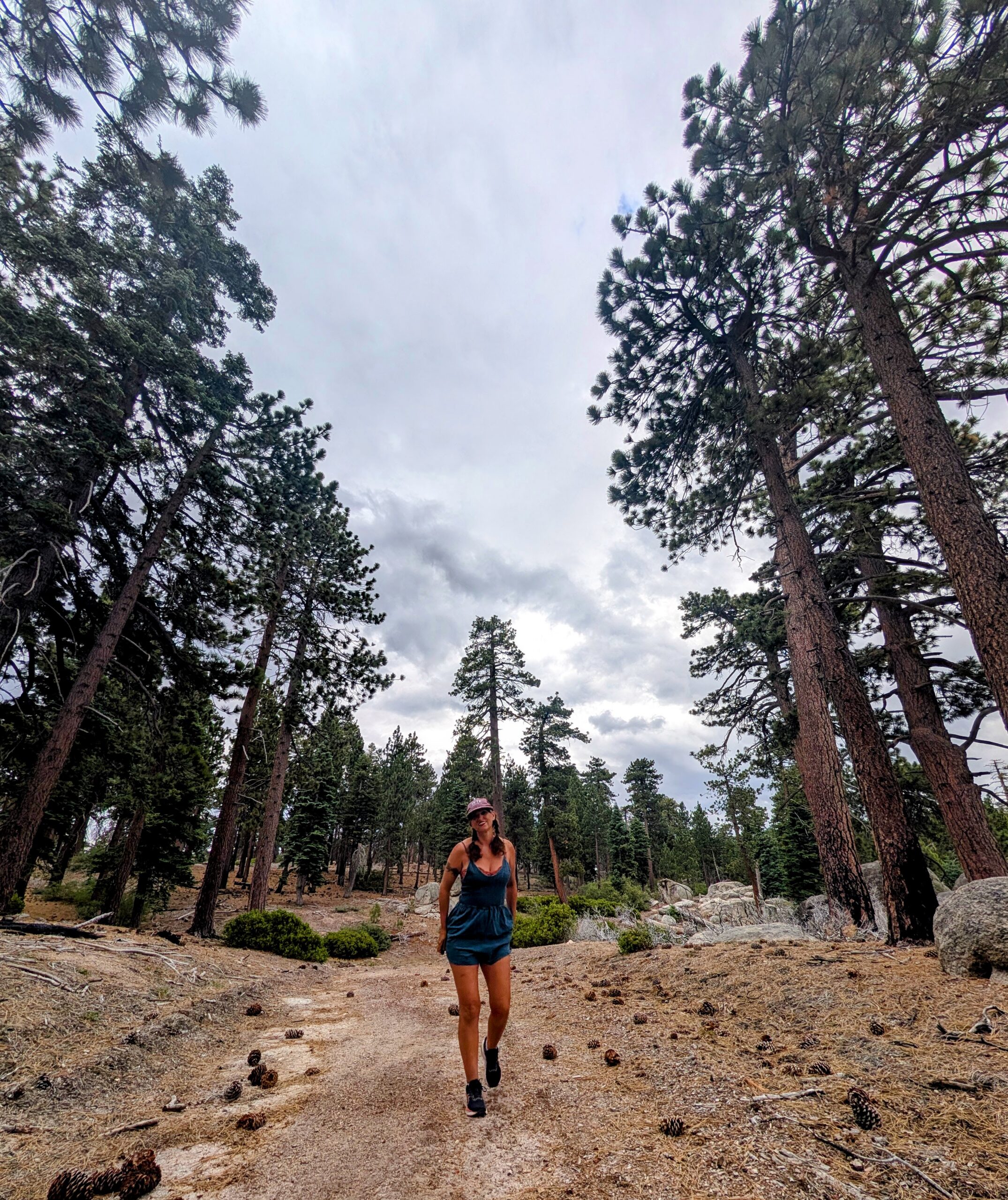
Bro, this is a California black bear, not a grizzly auditioning for a Yellowstone spinoff. California has not had wild grizzly bears roaming these mountains for more than a century. Fluffy is probably in more danger from eating a dryer sheet or antagonizing a raccoon than she is from being hunted down by one of our local black bears.
That does not mean anyone should send their Pomeranian outside wearing a meat necklace. Wildlife is still wildlife. Pets should be supervised, trash should be secured and nobody should approach a bear for a selfie because they think their Instagram account has finally found its big moment. (Now this is what you should use AI for)
But our California black bears are not lurking in the shrubbery, waiting to turn neighborhood cats into tapas.
I Asked the Ranger, Not the Internet
As Big Bear Lake’s most experienced dirt walker, professional hiking guide and full-time trailside wanderer, I get my local forest information from people who actually manage this forest. I have spent years picking the brain of our San Bernardino National Forest district ranger, who has worked in forestry in our mountain communities since 1980.
I did not ask Gemini what black bears eat and then accept the first random paragraph it generated as sacred woodland scripture. I asked the person responsible for understanding the wildlife, recreation and forest conditions in our Mountaintop Ranger District.
So, yes, I feel fairly confident about this.
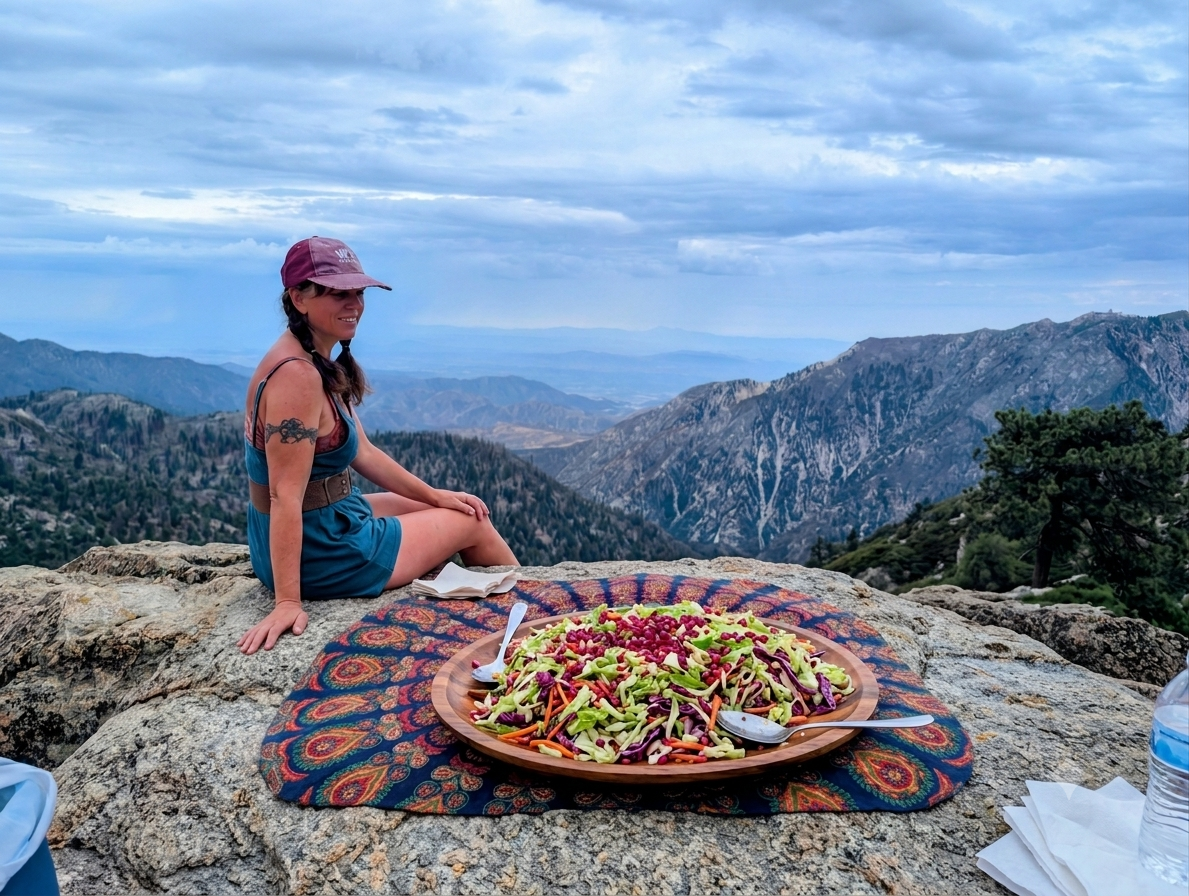
But sure, Karen from Lake Arrowhead, call me a dumb-dumb because I realize that our California black bears are vegetarians when cabin owners are not enabling them by leaving a full In and Out Burger leftover supper in their unsecured trash bins.
California black bears eat a largely omnivorous diet that includes an enormous amount of plant material. They forage for grasses, berries, acorns, nuts, seeds, insects and other foods available throughout the seasons. They may occasionally consume animal matter they pull out of open trash cans, but they are not roaming suburban neighborhoods because they have developed a sophisticated taste for house cats.
What they have developed is a taste for convenience.
Black bears will absolutely investigate unsecured trash, pet food, birdseed and anything else humans leave outside. At this point, some bear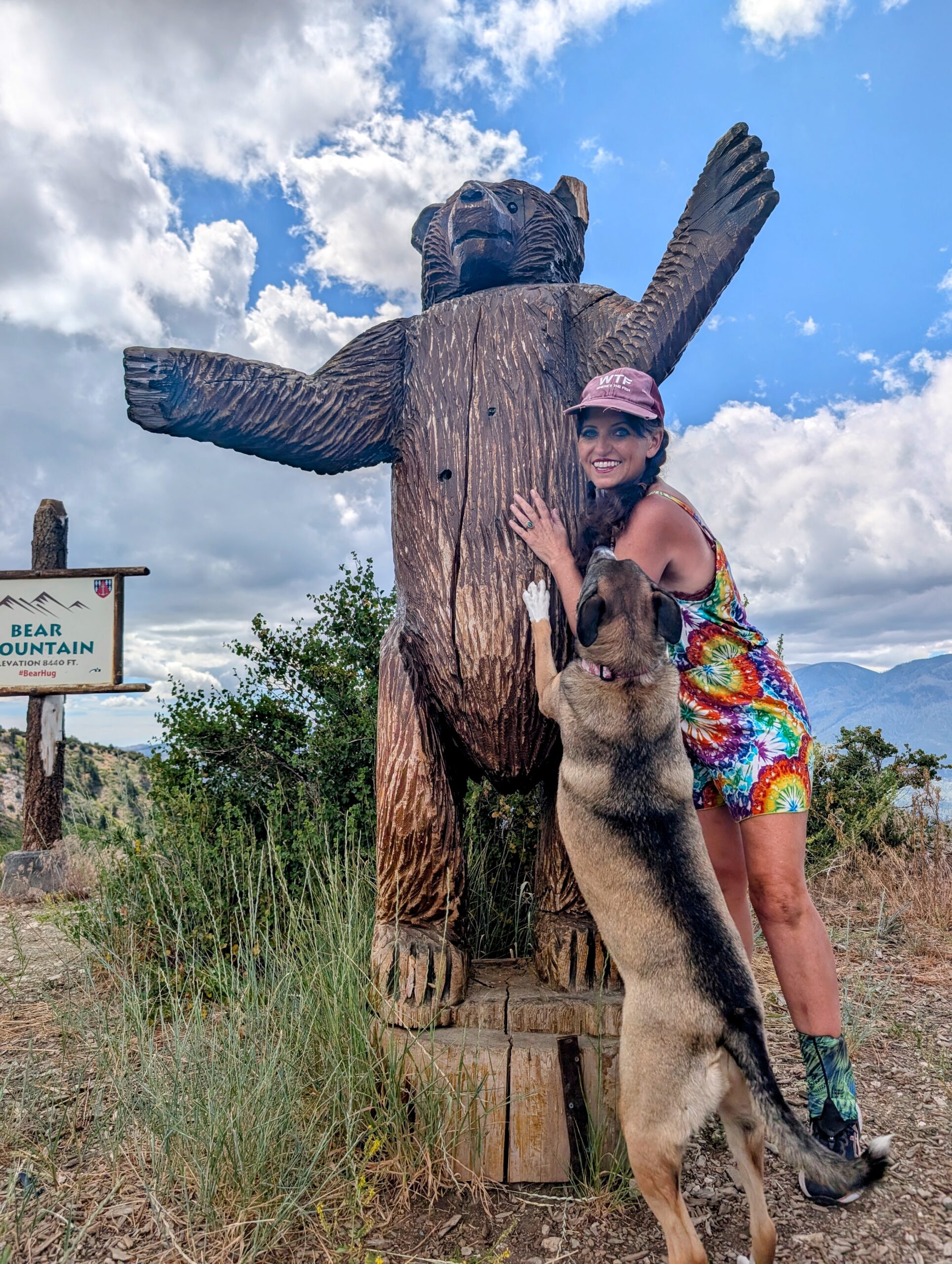 s have become accustomed to modern mountain living. Why spend all morning searching the forest floor for acorns when Old Man Doug left half a pepperoni pizza and an order of Neo’s finest garlic knots in an unlocked trash can?
Even the bears understand DoorDash economics.
The real problem is usually not that bears are bloodthirsty. It is that humans have trained them to associate neighborhoods with easy calories. Secure your trash, bring pet food indoors and stop turning your driveway into an all-you-can-eat wildlife buffet. A fed bear can become a problem bear, and the bear usually pays the price for a situation that people created, such as the unfortunate incident with Victor the black bear at Lake Mary.
Much like my homegrown cabbage, our bears would probably prefer a peaceful life filled with fruit, vegetation and very limited government involvement.
Running Springs Before the Cybertrucks Arrived
The tiny mountain town where I grew up has changed dramatically since the pandemic. Once all the Chads, Dougs and Todds discovered they could work remotely, they fled Los Angeles and arrived in the mountains carrying standing desks, sourdough starters and strong opinions about municipal broadband.
Even Crestline, once lovingly considered the slightly questionable town in our mountain communities, now has a remodeled Goodwin’s Market that looks suspiciously like Whole Foods. There is a coffee bar full of remote workers drinking pour-over coffee while staring into laptops after arriving in Cybertrucks that seem physically incapable of blending into a rustic mountain landscape.
This is not the mountain community where I grew up.
I grew up riding in the back of pickup trucks after Vacation Bible School, praying that I would survive both Dad’s driving and the 1990s without seatbelts. If my parents heard that I had used a bad word at school, there was a legitimate possibility I would get a bar of soap shoved into my mouth. Today, that would result in a six-part true-crime documentary. Back then, it was simply Tuesday.
Of course, we drank from the garden hose. What else were we supposed to drink when Mom locked us outside for the day with a Lunchable that was sweating by noon, quite possibly full of Running Springs finest Salmonella and the vague expectation that we would eventually return home alive?
We survived questionable deli meat, scorching metal playground slides and bicycles without helmets. We ate raw cookie dough without first reviewing a public-health dashboard. We spent hours in the forest without GPS watches tracking our heart rate, oxygen level and feelings.
It built character. Possibly also Salmonella antibodies. And I would not have had it any other way.
All of this brings me back to cabbage, because most of my stories eventually return to fiber-rich salads. Occasionally, they detour through bears, social-media stupidity and the decline of Western civilization, but we always find our way back to lunch.
Traditional American coleslaw is perfectly acceptable. It is crunchy, creamy and familiar. But it can also be one of those side dishes that tastes primarily like mayonnaise has seized control of the cabbage and refuses to negotiate.
My Raita Coleslaw recipe takes that familiar barbecue side dish and sends it to an Indian kitchen for a complete personality upgrade. Think crisp cabbage and fresh vegetables folded into a cooling yogurt dressing inspired by traditional raita, then brightened with Indian spices, herbs and fresh fruit.
This is what happens when American coleslaw marries into an Indian family.
You probably would not find this exact Raita Coleslaw at a traditional curry house in London. This is not classic restaurant raita, and it is not pretending to be. It is a playful Anglo-Indian fusion coleslaw created for summer barbecues, grilled meats and mountain picnics. Please don’t cancel me; I don’t care if I culturally appropriated the coleslaw.
A Yogurt Coleslaw Worth Inviting to the Barbecue
Using yogurt in place of a heavy mayonnaise dressing makes this Indian coleslaw recipe feel cool, fresh and especially welcome during the summer. The cabbage stays crisp, the creamy raita-style dressing tempers spicy grilled foods and the fruit adds just enough sweetness to make every bite interesting.
This coleslaw with Greek yogurt is especially delicious alongside my Empire Restaurant-Style Chicken Kabobs. The cool cabbage and yogurt balance the smoky, spiced chicken beautifully, while the fresh fruit keeps the entire plate from feeling too heavy.
It also makes a fantastic side dish for barbecue ribs, grilled chicken, lamb kebabs or burgers. Place a bowl of this beside an ordinary tub of grocery-store coleslaw and watch everyone suddenly become adventurous. Because this is not the pale, watery coleslaw abandoned beside a plate of barbecue beans. This is a vibrant fusion coleslaw recipe with actual flavor, crunch and enough personality to start its own Facebook argument.
Maybe the world has become a little strange. We have neighborhood Facebook experts issuing bear warnings from their sofas. We have artificial intelligence confidently explaining subjects it occasionally understands about as well as I understand K-Pop TikTok dances. We have Cybertrucks parked outside mountain coffee bars and middle-aged hiking guides injuring themselves while standing up from the toilet.
But I still have cabbage.
I have fresh organic vegetables growing in the garden, yogurt in the refrigerator and enough Indian spices in my pantry to make an airport customs agent nervous. That means I can make a fresh bowl of Raita Coleslaw whenever I need an easy Indian barbecue side dish that tastes like summer without being drowned in mayonnaise.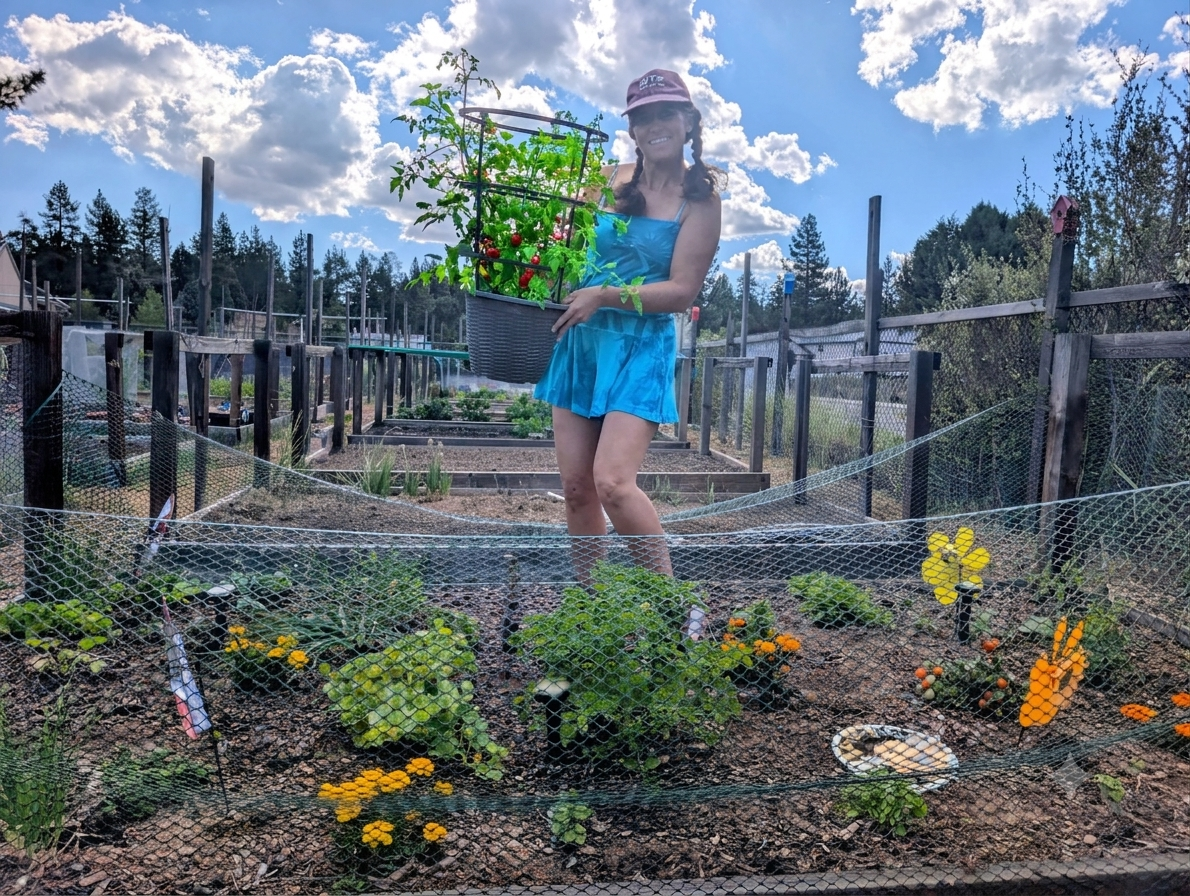
This recipe is crisp, cooling, fruity and just unconventional enough to make the traditionalists suspicious. In other words, it is exactly my kind of food.
You can serve it with grilled chicken kabobs, smoky ribs or nearly anything coming off the barbecue. You can bring it to a summer potluck and casually watch people try to identify the spices. You can even tell everyone the cabbage came directly from your garden, which makes the entire dish sound virtuous despite the fact that you spent the morning arguing with strangers on Facebook.
And should the government ever decide cabbage is dangerous? They will have to pry this bowl of Raita Coleslaw from my cold, arthritic, almost-forty-six-year-old hands.
Raita Coleslaw – If Coleslaw Grew Up in an Indian Kitchen
1/4 green cabbage, grated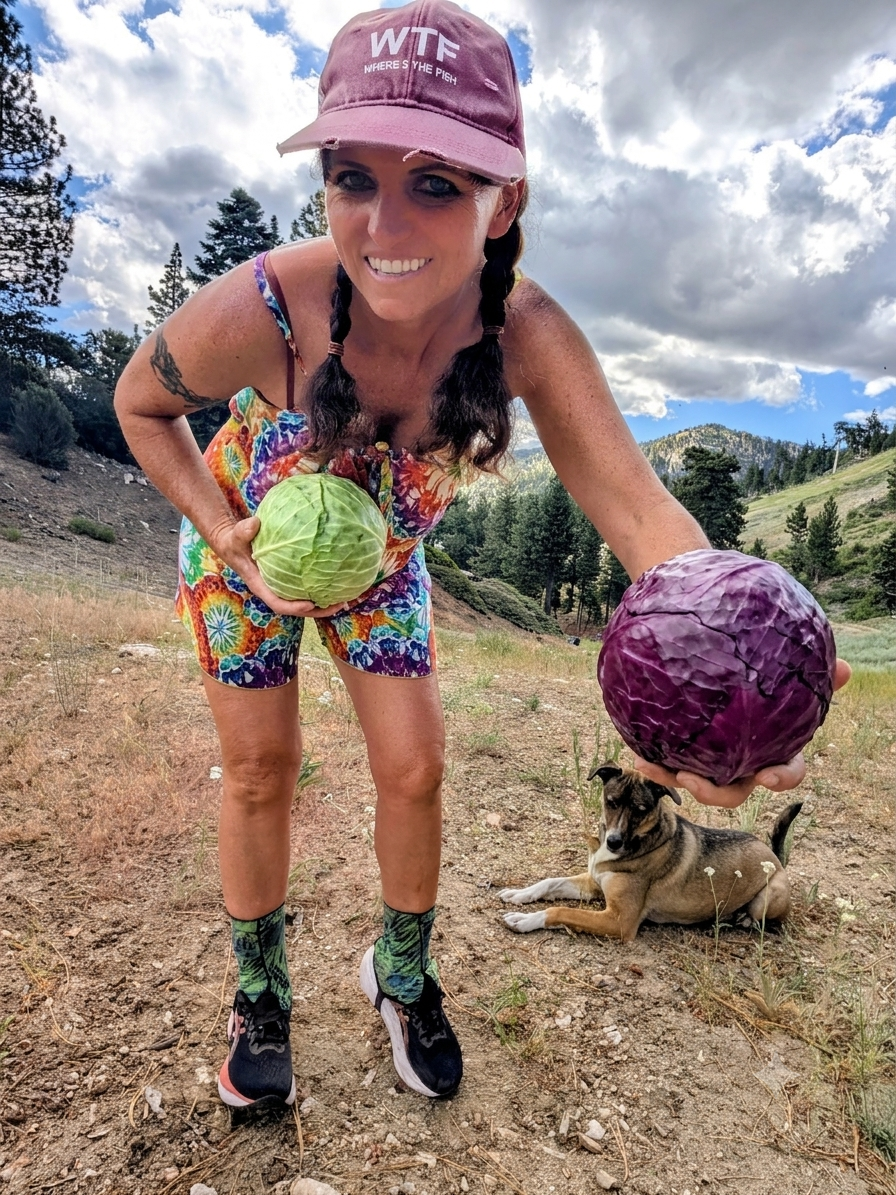
1/4 red cabbage, grated
4 radishes, grated
1/2 a red bell pepper, sliced thin
1/4 cup Greek yogurt
1 teaspoon of lemon juice
1 teaspoon of mayonnaise
2 teaspoons of sugar
1/2 a serrano chili, chopped
1/4 of a red onion, chopped fine
1/4 teaspoon garam masala
1/2 teaspoon of salt
1/2 teaspoon freshly ground pepper
1/4 cup fresh mint, chopped
1/4 cup of pomegranate seeds
Raita Coleslaw – Somewhere an Auntie Is Judging Me Right Now
Cut up the onions and set them aside until you’re ready to put the coleslaw together. The onions go in at the absolute end or they will weep out all their moisture and change the complexity of the coleslaw.
Meanwhile, use a mandoline to thinly slice your cabbage. Set aside while you work on the raita dressing. To create the raita yogurt dressing that your Indian auntie would shake her head at, combine the yogurt, salt, pepper, garam masala, chopped serrano chili, sugar, mayonnaise, and lemon juice. Mix in the pomegranate seeds, the onions and the mint at the very end, along with all those fresh veggies.

Comments
You’re so talented with words💯
Author
Thank you friend! I’ve always loved writing.